E.M. Forster Movies, TV Shows, and Filmography
E.M. Forster
Writing
Biography
Edward Morgan Forster OM CH (1 January 1879 – 7 June 1970) was an English author. He is best known for his novels, particularly A Room with a View (1908), Howards End (1910) and A Passage to India (1924). He also wrote numerous short stories, essays, speeches and broadcasts, as well as biographies and pageant plays. His short story "The Machine Stops" (1909) is often viewed as the beginning of technological dystopian fiction. He also co-authored the libretto to Benjamin Britten's opera Billy Budd (1951). Many of his novels examine class differences and hypocrisy. His views as a humanist are at the heart of his work. Considered one of the most successful of the Edwardian era English novelists, he was nominated for the Nobel Prize in Literature in 22 separate years.[1][2] He declined a knighthood in 1949, though he received the Order of Merit upon his 90th birthday.[3] Forster was made a Member of the Order of the Companions of Honour in 1953, and in 1961 he was one of the first five authors named as a Companion of Literature by the Royal Society of Literature. After attending Tonbridge School, Forster studied history and classics at King's College, Cambridge, where he met fellow future writers such as Lytton Strachey and Leonard Woolf. He then travelled throughout Europe before publishing his first novel, Where Angels Fear to Tread, in 1905. The last of his novels to be published, Maurice, is a tale of homosexual love in early 20th-century England. While completed in 1914, the novel was not published until 1971, the year after his death. Many of his novels were posthumously adapted for cinema, including Merchant Ivory Productions of A Room with a View (1985), Maurice (1987) and Howards End (1992), critically acclaimed period dramas which featured lavish sets and esteemed British actors, including Helena Bonham Carter, Daniel Day-Lewis, Hugh Grant, Anthony Hopkins and Emma Thompson. Director David Lean filmed another well-received adaptation, A Passage to India, in 1984.
Filmography Movies
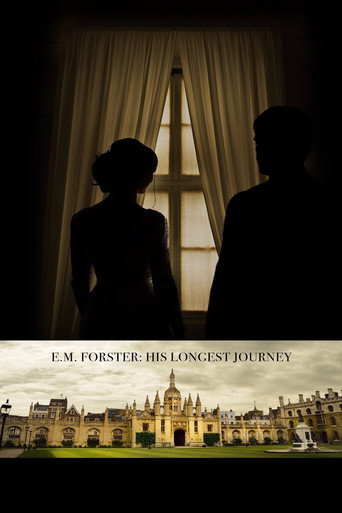
Production
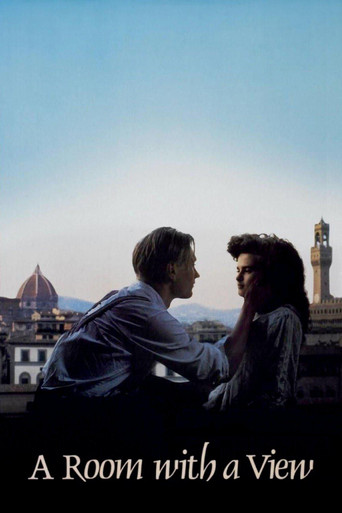
A Room with a View
When Lucy Honeychurch and chaperon Charlotte Bartlett find themselves in Florence with rooms without views, fellow guests Mr Emerson and son George step in to remedy the situation. Meeting the Emersons could change Lucy's life forever but, once back in England, how will her experiences in Tuscany affect her marriage plans?
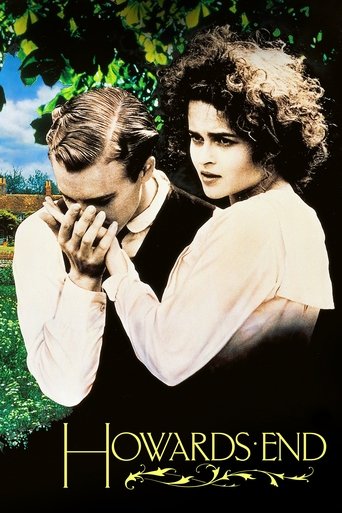
Howards End
A saga of class relations and changing times in an Edwardian England on the brink of modernity, the film centers on liberal Margaret Schlegel, who, along with her sister Helen, becomes involved with two couples: wealthy, conservative industrialist Henry Wilcox and his wife Ruth, and the downwardly mobile working-class Leonard Bast and his mistress Jackie.
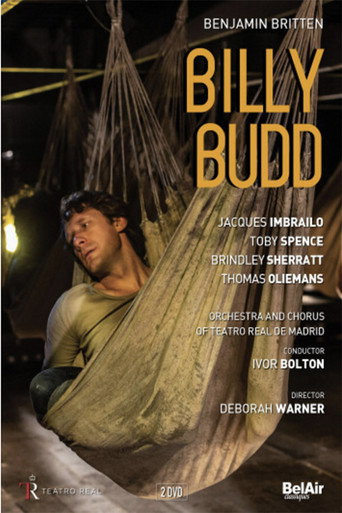
Benjamin Britten: Billy Budd
The premiere of Benjamin Britten's Billy Budd in Madrid is undoubtedly one of the highlights of the Teatro Real's bicentennial celebrations. Its magnificent libretto, based on the novel of the same name by Herman Melville, tells the story of the sailor Billy Budd: a handsome, loyal, generous, strong, naive, and kind young man whose beauty and personality drive the ship's master-at-arms mad. Unable to control the situation, the master crucifies the naive young man without mercy. This new production by the Teatro Real is being presented for the first time in Madrid, in co-production with the Opéra national de Paris, under the direction of Deborah Warner, one of the great names in stage direction today.
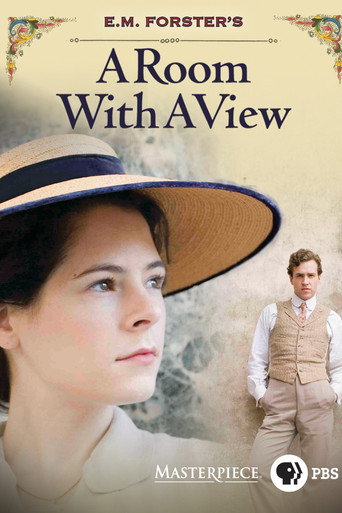
A Room with a View
When Lucy Honeychurch and chaperon Charlotte Bartlett find themselves in Florence with rooms without views, fellow guests Mr Emerson and son George step in to remedy the situation. Meeting the Emersons could change Lucy's life forever but, once back in England, how will her experiences in Tuscany affect her marriage plans?
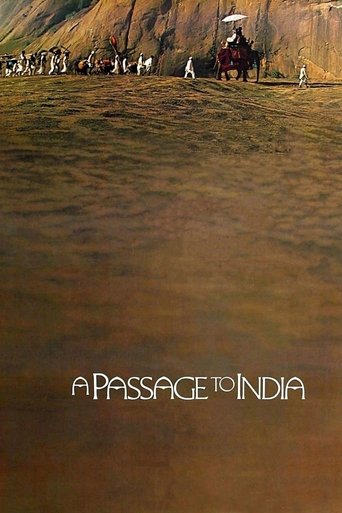
A Passage to India
Cultural mistrust and false accusations doom a friendship in British colonial India between an Indian doctor, an Englishwoman engaged to marry a city magistrate, and an English educator.
A Diary for Timothy
A narrator recounts the state of Great Britain near the end of WWII via a visual diary for the titular baby boy born in September 1944.
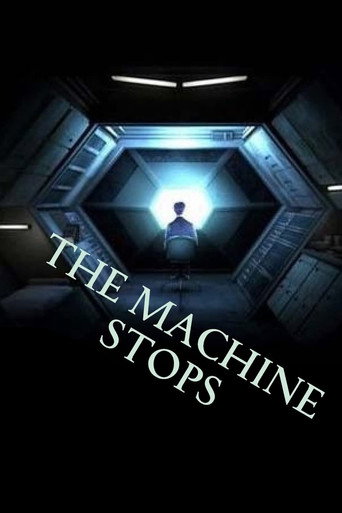
The Machine Stops
Two people live in a dark technological utopia/dystopia - "the Machine". Kuno and Vashti, have differing opinions about the world which they live in and their interaction and conflict as their society comes to a sudden collapse. The story raises themes of man's role in the midst of a technology-dependent built environment that are seemingly more relevant today than when the original short story was published in 1909.
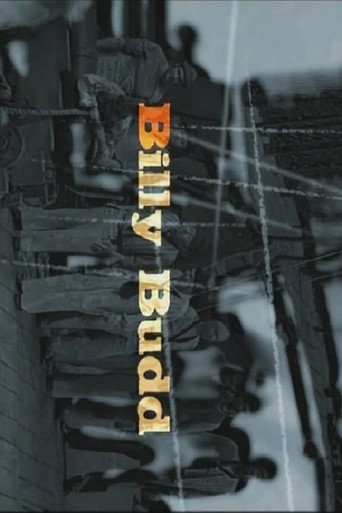
Billy Budd
John Dexter’s brilliant production of Britten’s searing opera stars Dwayne Croft in the title role of the handsome young sailor whose kindness and innocence cause his downfall. The great James Morris is Claggart, master-at-arms on the 18th-century warship Indomitable, who falsely accuses Billy of inciting a mutiny. Philip Langridge sings Captain Vere, the honest commander who knows that Billy is innocent but finds himself unable to save him. Steuart Bedford, Britten’s close collaborator during the last years of the composer’s life, is on the podium.
Plug
A man suddenly finds himself removed from his virtual reality world when a plug falls out of a socket. When he and another person notice another socket, they start a race to reach it first.
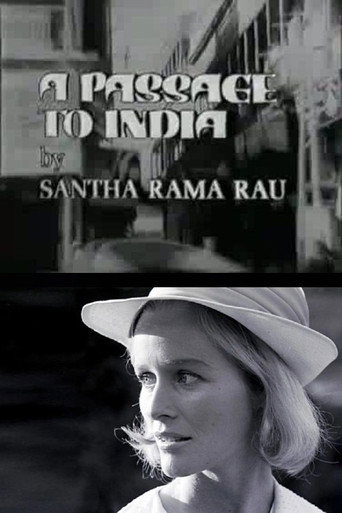
A Passage to India
The BBC's 1965 adaptation of E.M. Forster's novel, screened as part of their Play of the Month strand, adapted by Santha Ramu Rau and John Maynard, and directed by Waris Hussein.