Acting
No biography available.
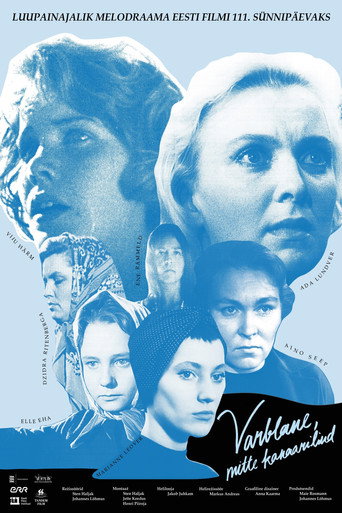
A housewife confronts situations to which no sane response exists... “Madwomen: To Be a Sparrow Not a Canary” is an experimental found footage melodrama composed entirely out of film footage shot in Soviet Estonia from 1960 until 1969. An experimental collage creating an alternative narrative to the storylines in the animations, documentaries and feature films of that time period.
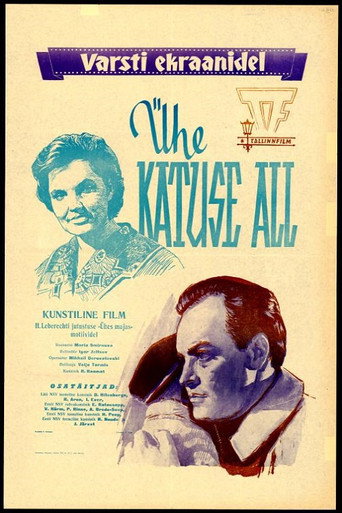
Mari has successfully led a collective farm in 1950s and fulfilled all tasks given from the authorities. Nonetheless, things in the collective farm become progressively worse. The Committee of the Communist Party sends its representative Peeter who learns that Mari acts as a tyrant for the local people. She has to resign during the elections of the new manager. Being without authority has a damaging effect on her so she starts to regain her position with the help of her old stalinist tricks.
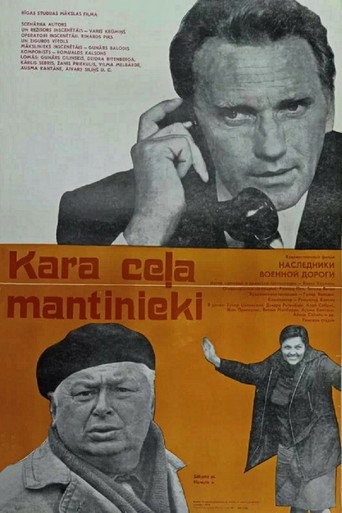
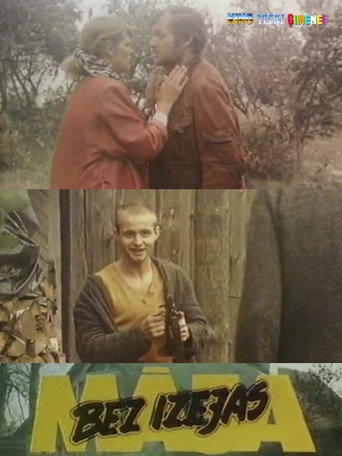
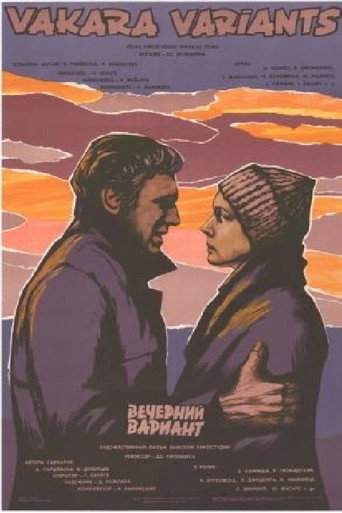
Arvīds Lasmanis can't hold any job for long because he is not ready to tolerate deceit and slapdash work. He still has to feed his family, by chance he finds a well-paid job as a gravedigger. A friend helps Arvīds to find a place in a construction team, but other workers don't approve of Arvīds' high principles. His wife accuses him of not knowing how to make money, the family lives crammed in one room of a shared flat. The Soviet absurd comedy tells a story about a man who, while at odds with the system, won't lose his conscience and his true self, even if it means saying no to wealth and comfort.
German troops leave a small town located on the border of Western Ukraine and Poland. The Pilsudians seize power in the city. Bolshevik, who returned from prison, heads the underground revolutionary committee.
Savely and Lelya are leading a quiet peaceful life in a forest reserve, in a small village with a mineral spring, where Savely brought his seriously ill wife. The seemingly routine life can not hide deep and tender love that came a bit too late...
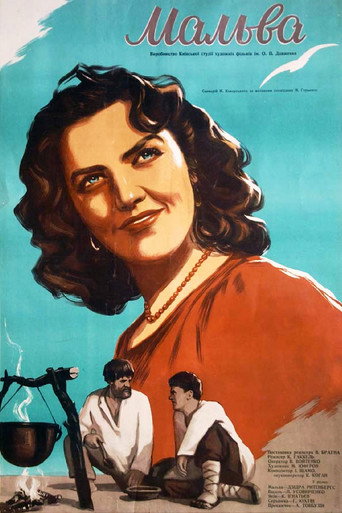
The title character, played by Dzidra Ritenberga, is the restless wife of a provincial village fisherman. Unwilling to dedicate herself to her husband, Malwa seeks out love from every man she meets. This results in a romantic triangle that is at once disarmingly simplistic and intensely dramatic. Malwa was the final directorial effort of Vladimir Braun, who died in 1957. Star Dzidra Ritenberga won a "Best Actress" award at the Venice Film Festival; co-stars Pavel Usovicenko and Anatoll Ighnaliev also earned praise for their realistic performances.
Forty years ago, she went with her beloved to his home in Germany. Now she is back in her native land, but as a visitor. The paths to her childhood home, which no longer exists, are overgrown. The paths that lead to the hearts of loved ones are overgrown. Even her daughter's soul. She grew up without Velta's closeness. In 1949, the little girl, who was staying with Velta's sister, was taken with her family to Siberia. Broken lives, broken destinies.
The life journey of Justīne, a country girl, through the years of World War II to the position of chairwoman of a collective farm.
A young girl is looking for her long lost father while visiting Riga during winter vacations.
When Rolands and his friends' amateur movie seen at his 18th birthday party unfolds as a crime testimony, fragile bond between people threatens to break completely.
Post-war Latvia. Francis' gang operates in a small town and the new KGB agent Juris Vilks has been asked to infiltrate his gang and gain his confidence.
An artist and his lover get trapped in their summer house by a gang of convicts.
A 38-year-old teacher Anna in a small town is longing to have a child. The opportunity arises when she meets a cargo driver who travels through her town. He turns out to be married with a child in another town, so Anna doesn't wish to pursue the relationship, but the man is ready to change the course of his life.