Acting
No biography available.
Tashkent, 1942. At this time, the hospitable city became a refuge for tens of thousands of people tired of hunger and cold war years. In urban stores, warehouses and markets in abundance of food and other goods. All this attracts the attention of criminals of different stripes, who in search of easy money gathered in Tashkent from all over the vast country. There are several criminal groups here. At the beginning of summer in the city there is a new gang operating with special impudence and cruelty…
Former criminal investigator is falsely accused in a death of a witness. After escape from a jail he tries to find who was responsible for ruining his life.
A film about the friendship between the workers of the Uzbek collective farm 'Leningrad' and the city of Lenin. This friendship has grown stronger and developed over more than four decades. The film takes us back to the distant and difficult 1920s, when the farmers of Fergana sent a wagon of fruits to the workers of the Putilov factory. In return, the workers gifted the collective farm two tractors and sent their representatives to help set up the new machinery.
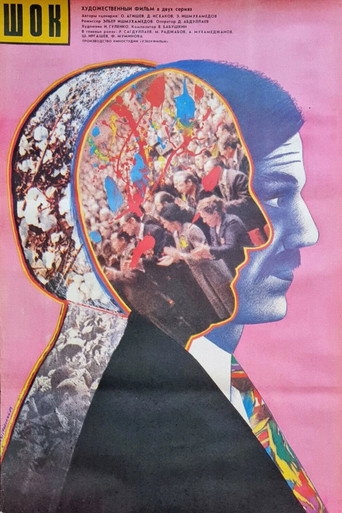
Journalist Murad Yakubov wrote a feuilleton about the bribe-taker and slanderer Nureyev, using materials from the party commission. But later, after studying other materials, the hero came to the conclusion that he had slandered a man who was trying to expose the mafia led by the regional committee secretary Nazirov.
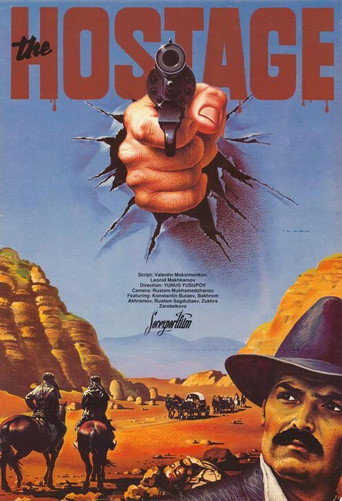
20-th years. In the mountainous regions of the Pamirs, a dangerous epidemic is rampant. There was sent a caravan with a vaccine, followed closely by the local bandits as the hostage in the caravan should be, as they learned, their leader. It is not known to them only one thing: the leader is a double ...
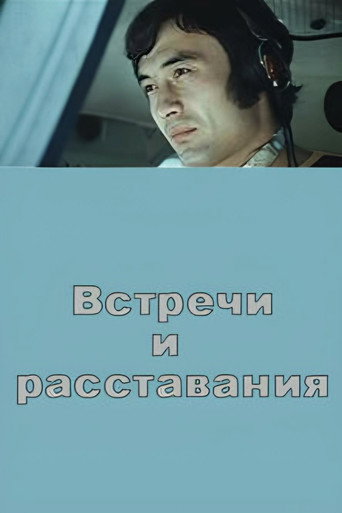
Uzbek young man Rustam, a helicopter co-pilot, is participating in the construction of a high-voltage line in the Alps. One day in West Germany, where he was sent on a long business trip, the hero meets Uzbek emigrants. The external well-being of the new friends very soon revealed the catastrophic nature of everyone’s destinies. These meetings contribute to Rustam’s spiritual and civic maturity; the hero rediscovers the necessity and significance of his homeland, where his family and friends have long been waiting for him.
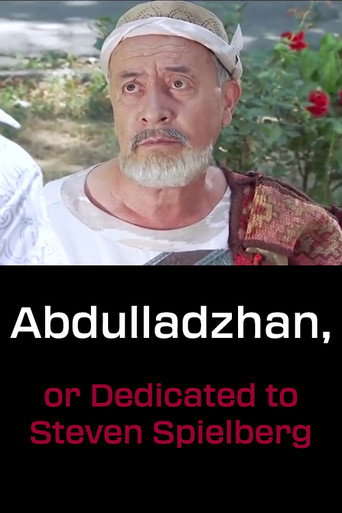
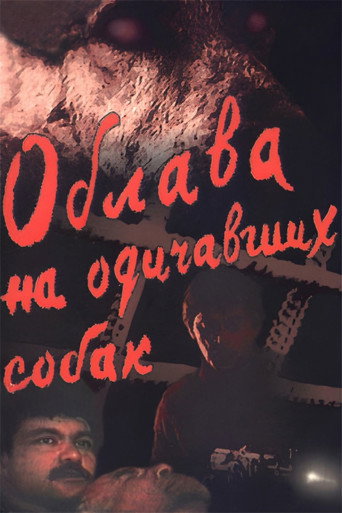
Considering that Musakov’s Abdulladzhan (1991) was dedicated to Steven Spielberg, we might suggest that these four boys embody nothing more complicated than a conflict of youthful innocence with some ominous threat—the basic workings of E.T. (1982) or War of the Worlds (2005), say. That threat, however, is best understood not through vague nationalism or warmed-over socialism, but through the other reference-point of Abdulladzhan—Tarkovskii’s Stalker (1980). Musakov leaves his boys in a simplified radiance so bright and so overexposed that it no longer looks like the skies of sunny Tashkent, but a disturbing, borderless luminosity to match the flat tonal range of Stalker’s “Zone.” Our Uzbek boys are nowhere in particular; this is a broader domain than anything international.
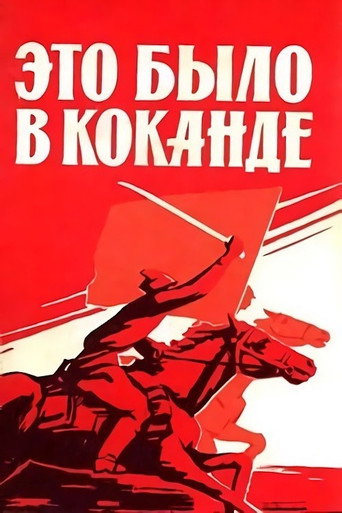
About the formation of Soviet power in Uzbekistan, the fight against the “Kokand Autonomy” and the Basmachi.
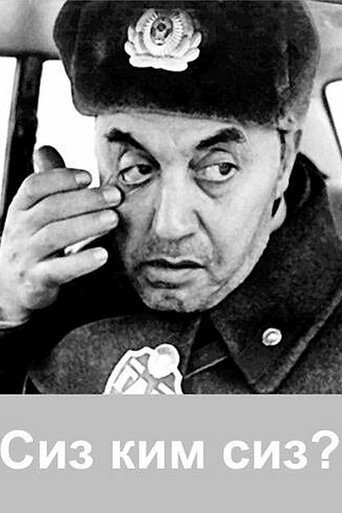
A young doctor serving cotton growers goes to the city. On the highway, when trying to overtake a motorcade, the traffic police stops the car. The events that take place next are an accurate and witty model of a life permeated through and through with absurd relationships, ridiculous demands and inexplicable prohibitions...
The plot is based on the story of a former teacher who became one of the leaders of the party leadership of Uzbekistan, involved in the "cotton business". He is accidentally killed by his own son in a shootout with assassins of party mafiosi.