Acting
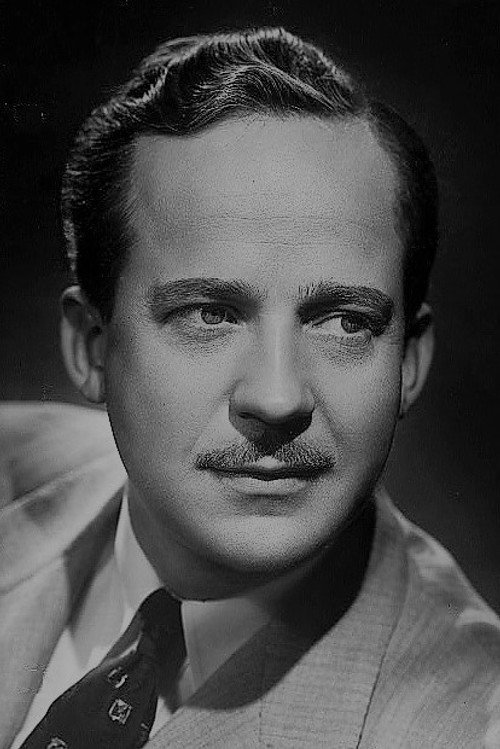
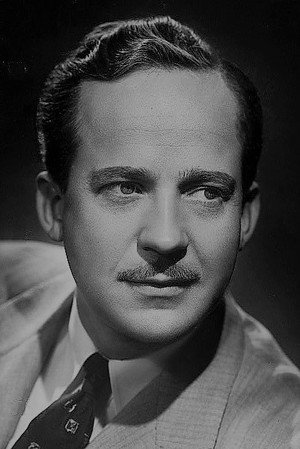
Dwight Weist, Jr. (January 16, 1910 - July 16, 1991) was an actor and announcer in the era of old-time radio.
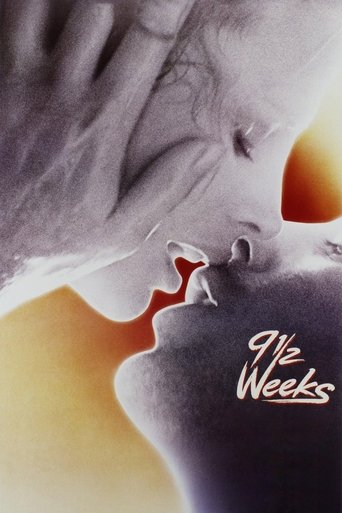
An erotic story about a woman, the assistant of an art gallery, who gets involved in an impersonal affair with a man. She barely knows about his life, only about the sex games they play, so the relationship begins to get complicated.
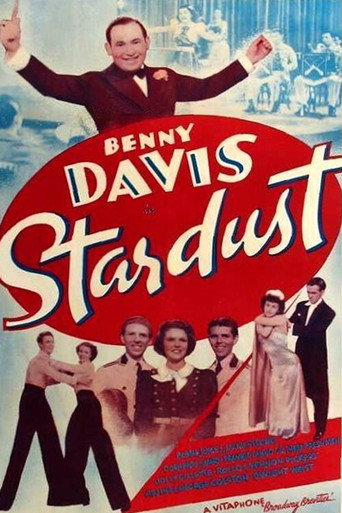
Songwriter Benny Davis goes through an elaborate buildup before he is allowed to sing a collection of his songs. He takes a group of his friends through his song-factory, and workmen break out in a rash of dances and song numbers. Davis then sings some of his own songs.
A Warner Brothers Vitaphone Variety narrated short film highlighting the 1928 biblical tale of "Noah's Ark."
A short film about Mardi Gras in New Orleans from the point of view of those who make Carnival happen.
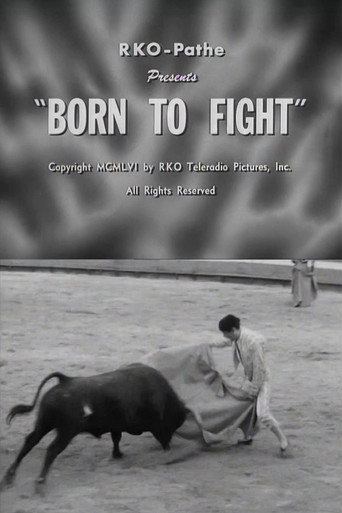
A showcase of bullfighting in Portugal, explaining how the country's version of the sport differs from those in Spain and Latin America and helps define the national character. After showing the training techniques for the bulls and horses, a bullfight is presented.
1947 short film that was nominated for an Oscar in the category "Best Documentary, Short Subjects"
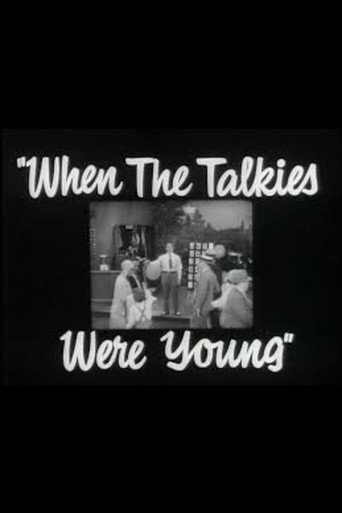
Warner Brothers looks back to the early days of talking pictures. Dwight Weist narrates film clips from five movies: "Sinner's Holiday," introducing James Cagney with a glimpse of Joan Blondell, "20,000 Years in Sing Sing," with a young Spencer Tracy and a younger Bette Davis, "Five Star Final," with Edward G. Robinson and a cameo from Boris Karloff, "Night Nurse," starring Barbara Stanwyck with a small role for Clark Gable, and "Svengali," with John Barrymore and Marian Marsh. Each movie is summarized and each star celebrated for work early in the history of sound cinema.
Fictional documentary about the life of human chameleon Leonard Zelig, a man who becomes a celebrity in the 1920s due to his ability to look and act like whoever is around him. Clever editing places Zelig in real newsreel footage of Woodrow Wilson, Babe Ruth, and others.
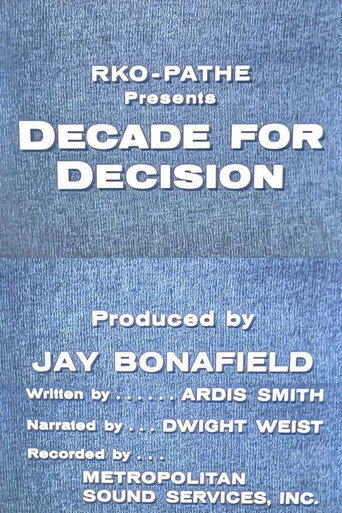
Short news featurette produced by Pathe-RKO after the Russians launched the first orbiting satellite, Sputnik. It is a patriotic 'call to arms' from the threat posed by this and the need for Americans to spend more on education in general and a college education in particular. A visit to the University of Buffalo highlights its science programs and the need for more graduates from all technical disciplines if America is to rise to the challenge. It bemoans the fact the PhDs earn less than a mechanic and the need to re-order priorities.