Directing
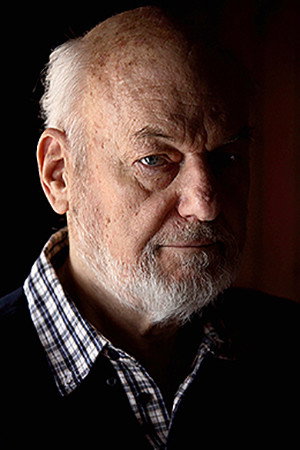
Dušan Makavejev was a Serbian film director and screenwriter, famous for his groundbreaking films of Yugoslav cinema in the late 1960s and early 1970s.
A soldier, returning home from war, chances upon a stranger who offers to buy his violin. The stranger is none other than the devil.
Through the conversation with Yugoslav film authors and excerpts from their films, this documentary film tells a story of a film phenomenon and censorship, and its focus is, in fact, a painful epoch of Yugoslav film called “a Black Wave”, which was the most important and artistically strongest period of Yugoslav film industry, created in the sixties and buried in the early seventies by means of ideological and political decisions. The film tells a great “thriller” story of the ideological madness which characterised the totalitarian psychology having left multiple consequences felt up to our very days. It stresses similarities between totalitarian regimes defending their taboos on the example of the persecution of the most important Yugoslav film authors. Those film authors have, however, made world careers and inspired many later authors. The film is the beginning of a debt pay-off to the most significant Yugoslav film authors.
Filmmaker Hermann Vaske explores the creative Balkan world in the hopes of understanding the meaning of "Balkan spirit".
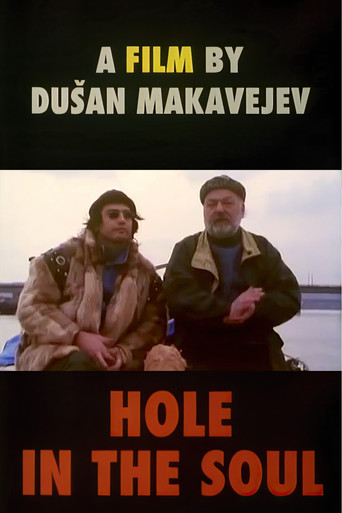
An interview with Yugoslavian director Dušan Makavejev.
During the Yugoslav break-up, Federal Army officer is fed up with war and takes some leave in Belgrade. However, it turns out that he is less haunted by war horrors than with some sentimental skeletons in the closet. He meets his former comrade and best friend who is AWOL, but can't report him because he had an affair with his wife.
The Makavejev Case or Trial in a Movie Theater explores the position of an artist in the Socialist FR Yugoslavia, focusing on the political and social climate that used public platforms to condemn the film WR: Mysteries of the Organism, under the auspices of the Communist Party.
A self-portrait documentary of Dusan Makavejev who travels to former Yugoslavia, and charts the changes of the society which parallels to his own life.
The winner of the Miss World Virginity contest marries, escapes from her masochistic husband and ends up involved in a world of debauchery.
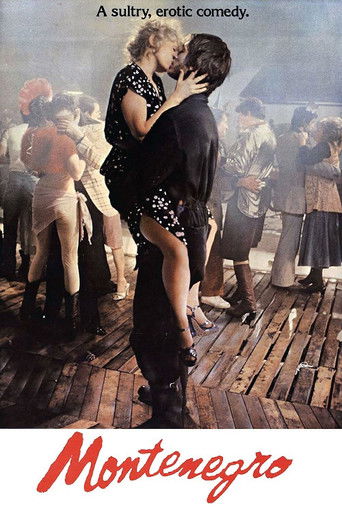
Marilyn Jordan, an American, lives in Stockholm with her Swedish husband and family. Her behavior is bizarre, perhaps mad: she poisons the dog's milk and advises the dog not to drink it; she sets the sheets afire as her husband sleeps; she crawls under the dining table to sing. While detained at airport customs for carrying pruning shears, she meets a young Yugoslav woman and goes with her to a Gypsy enclave where she's fought over, takes a lover, helps with the sordid entertainment at a bar, and returns home more dangerous than before. The film also tells parallel stories of Marilyn's daughter becoming a junior homemaker as the young immigrant practices her striptease.
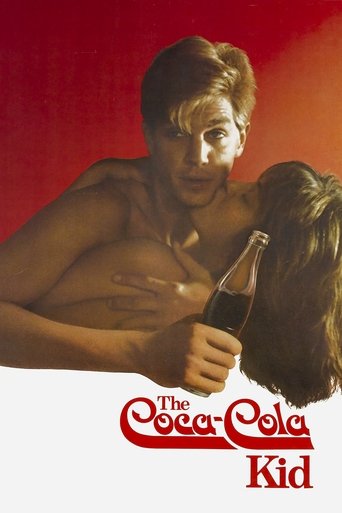
An eccentric marketing guru visits a Coca-Cola subsidiary in Australia to try and increase market penetration. He finds zero penetration in a valley owned by an old man who makes his own soft drinks, and visits the valley to see why. After "the Kid's" persistence is tested he's given a tour of the man's plant, and they begin talking of a joint venture. Things get more complicated when the Coca-Cola man begins falling in love with his temporary secretary, who seems to have connections to the valley.
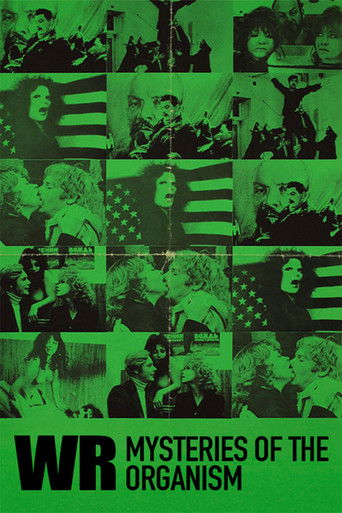
What does the energy harnessed through orgasm have to do with the state of communist Yugoslavia circa 1971? Only counterculture filmmaker extraordinaire Dušan Makavejev has the answers (or the questions). His surreal documentary-fiction collision begins as an investigation into the life and work of controversial psychologist and philosopher Wilhelm Reich and then explodes into a free-form narrative of a beautiful young Slavic girl’s sexual liberation.
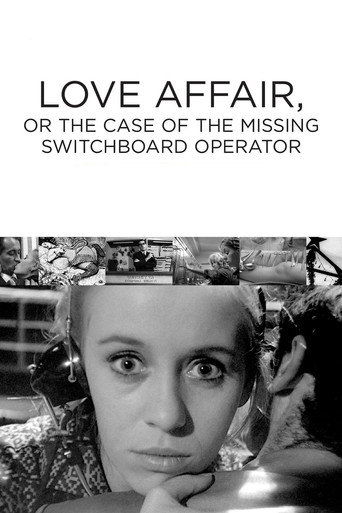
After many adventures, a young female switchboard operator starts a love relationship with a serious young man. But while he's away on business, she gets lonely and succumbs to her colleague's passes.
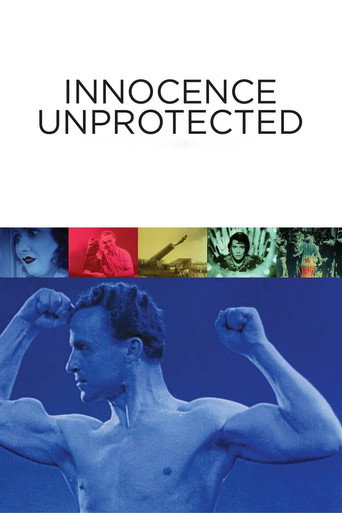
A documentary about the famous athlete and movie enthusiast who made Serbia's first sound film, Innocence Unprotected. The Nazi occupation of Belgrade prevented the film from gaining wider acclaim. Director Makavejev intersperses clips of the original film with interviews of surviving cast and crew members, as well as newsreel and archival footage.