Édouard Luntz Movies, TV Shows, and Filmography
Édouard Luntz
Directing
Biography
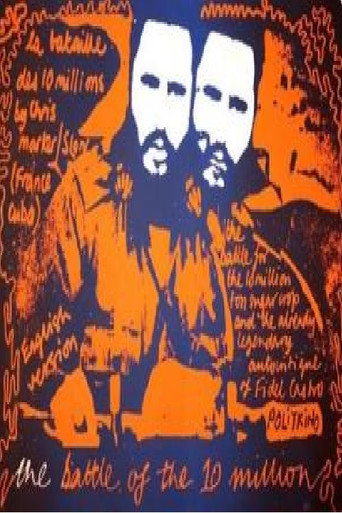
Édouard Luntz was a French film director and screenwriter recognized for his work in the 1960s and early 1970s. He directed nine films between 1959 and 1973, including Les coeurs verts (1966), which was entered into the 16th Berlin International Film Festival, and Le dernier saut (1970), which was entered into the 1970 Cannes Film Festival. Luntz's filmography also includes ...Enfants des courants d'air (1959), Le silence (1960), Insolites et clandestins (1961), Bon pour le service (1963), L'escalier (1964), L'humeur vagabonde (1972), and Le grabuge (1973). His films often explored social issues and were noted for their realistic portrayal of contemporary life.
Filmography Movies
Production
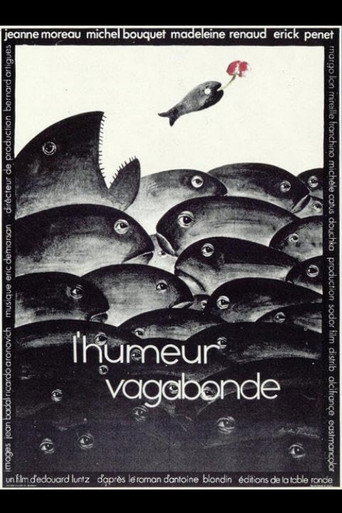
Vagabond Humor
Benoît, a young provincial, arrives in the capital. He has left his family (mother, wife and child) in his native Charente. But for him, the difference in the standard of living is trying, and he loses his bearings among this crowd of anonymous people. A young woman, Myriam, crosses his path. But the encounter is short-lived, and Benoît returns home. A tragedy has occurred.
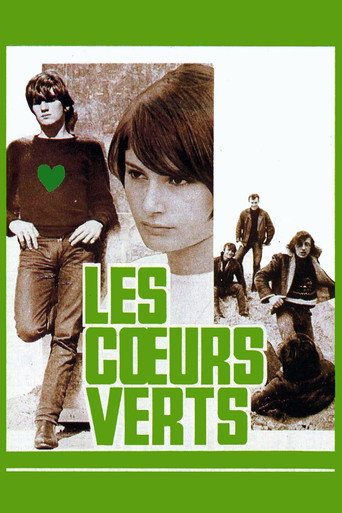
Naked Hearts
Two young men, Zim and Jean-Pierre, both sentenced for a minor offence, recognize one another when they are released from prison on the same day. One wants to reform, but his friend wants to stay a crook. The first one gets a job and begins improving his life, while the young criminal ends up incarcerated for stealing cars.
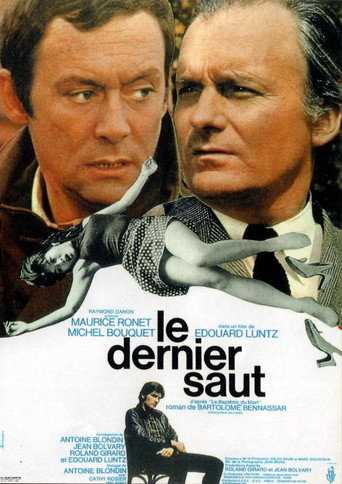
Last Leap
A veteran paratrooper murders his Vietnamese wife when he finds her in the arms of a younger man. Garal (Maurice Ronet) makes it back to the army base where his drunken roommate provides him with an iron clad alibi. Jauran (Michel Bouquet) is the local police inspector who befriends the Garal, unaware he is the killer. The younger man is accused of the woman's murder, but the paratrooper begins to feel overwhelmed with guilt. The longer he remains silent about the crime, the more psychological torture he must endure.
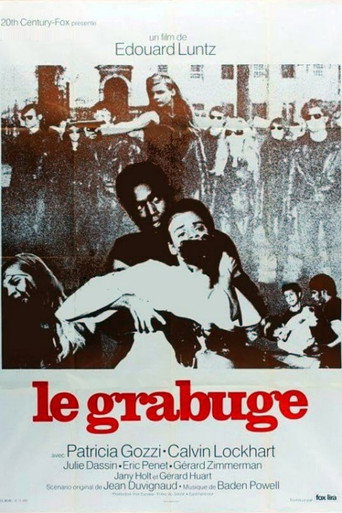
Hung Up
A woman from a bourgeois family marries a loveless man. She remembers (or dreams?) a life of adventure and smuggling, hijacking ships at night. She is kidnapped by the leader of the enemy gang, with whom she falls in love.
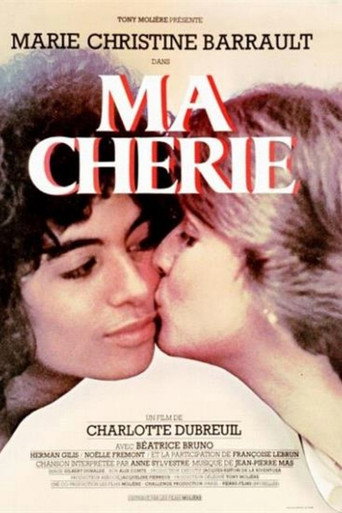
My Dearest
Jeanne has been divorced for seven years now and her life is centered around Sarah, her fifteen year-old daughter. They appear to have a perfectly harmonious life together, a relationship based on deep mutual understanding and trust. So when Sarah needs a contraceptive, it's her mother who goes alone to the drugstore with her. However, under this idyllic surface there are tensions at work. Jeanne's on and off affair with Pierre does not save her from feeling lonely, and Sarah is bored by school. Both of them dream of an independent life, though neither will admit it.
Volcans endormis
Discovery of an unknown region, little known or unknown: the Auvergne, whose lunar landscapes make at first sight as strange as a distant planet. It is then the search for different landscape signs, natural signs, human signs or the same unusual signs, which allow us to know in depth the country we discover, and thus to better love and understand it. Castles having passed through the centuries with more or less happiness, Romanesque art, frescoes, churches, thermal baths from which mysterious patients arise, figures petrified under the moon, and Vichy, the most exotic of the cities, constitute some-one of the stages of this journey where the strange is born from the simple vision of beings and things.
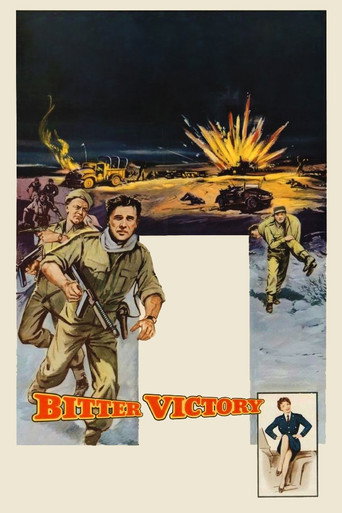
Bitter Victory
During the second world war, two British officers, Brand and Leith, who have never seen combat, are assigned a vital mission. Their relationship and the operation are complicated by the arrival of Brand's wife, who had a tryst with Leith years earlier.
Vagabond Humor
Benoît, a young provincial, arrives in the capital. He has left his family (mother, wife and child) in his native Charente. But for him, the difference in the standard of living is trying, and he loses his bearings among this crowd of anonymous people. A young woman, Myriam, crosses his path. But the encounter is short-lived, and Benoît returns home. A tragedy has occurred.