Sound
No biography available.
NZ’s top musicians and comedians celebrate the extraordinary contribution Dames Lynda & Jools Topp have made to Aotearoa New Zealand over 40 years. Made with the support of NZ On Air.
Short film by Bill Toepfer
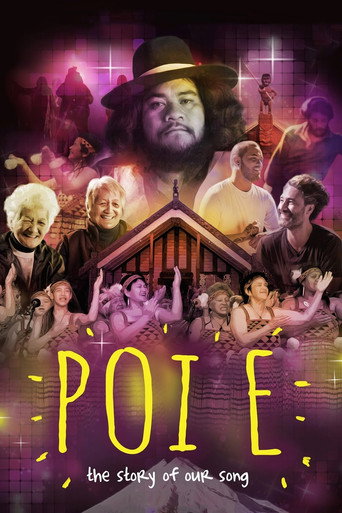
Written and directed by Tearepa Kahi (Mt Zion) and starring Maaka Pohatu (The Modern Maori Quartet, Two Little Boys) the film tells the story of musician Dalvanius Prime and the origin of the song “Poi E”, a ground-breaking fusion of 1980s pop and traditional Māori music. “Poi E”, composed by Dalvanius and Ngoingoi Pēwhairangi and performed by the Patea Māori Club, remains the only song in Te Reo Māori to reach No 1 in the charts, over 30 years since its 1984 release.
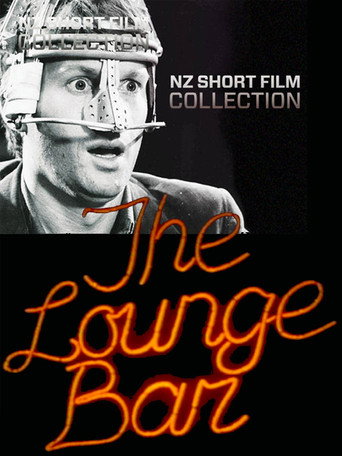
The zenith of Don McGlashan and Harry Sinclair's legendary Front Lawn collaborations, this iconic Kiwi short follows two men and one woman on a rainy night at a deserted bar. Pivoting on amnesia and woven together by music, two timeframes are seamlessly combined and a darkly humorous plot unfolds. The film had a wide international release (Ireland to Norway, Germany to the USA) and was a finalist in the inaugural American Film Festival.
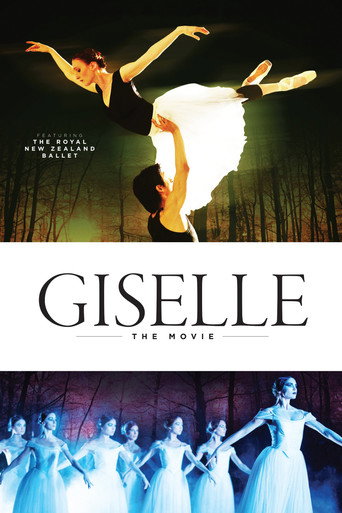
GISELLE is acclaimed director Toa Fraser's interpretation of the Royal New Zealand Ballet's production of Giselle. The classic story of love, erotism and death has been reinterpreted by Fraser to include both the on stage performance of the ballet, and an off-stage romance – interwoven with the ballet – that tells of two itinerant dancers, separated by time, distance and their abiding love for each other.
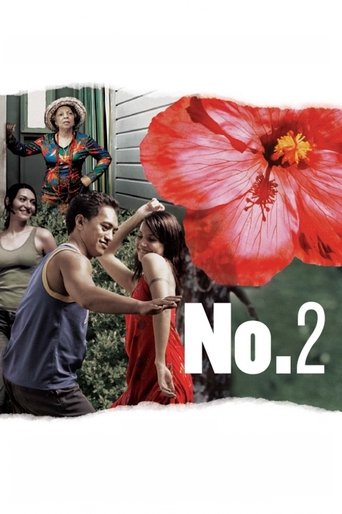
A matriarch organizes a feast with her family, in which she will name her successor. The heart has gone out of Nanna Maria's family. There are no parties — they don't even fight anymore...
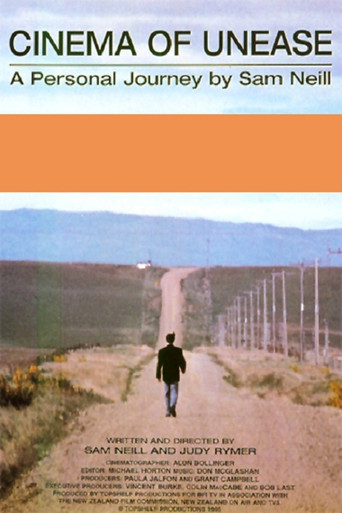
Actor Sam Neill discusses New Zealand film and his own experiences within and without.
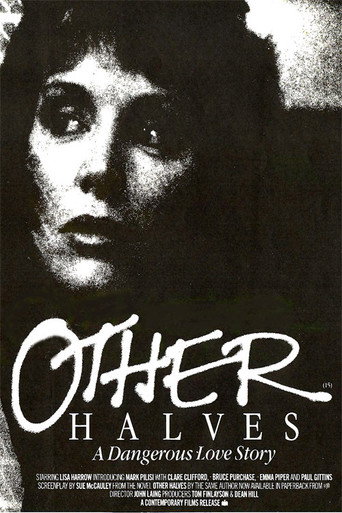
A Polynesian street-kid and a much older middle-class housewife are both incarcerated in the same mental hospital - she for attempted suicide and he for habitual crime. A friendship grows between them such that she offers him a place to stay upon his release. However, difficulties arise with his continued criminal activities and dependence on her for support - then his gang moves in with them. The film is based upon Sue McCauley's award winning autobiographical novel.
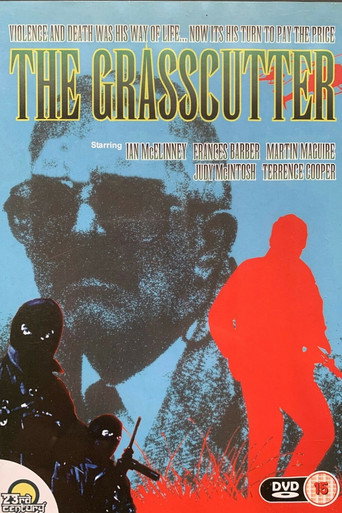
An Ulster Volunteer Force vigilante, turned police informer, is sent by the British government to New Zealand to start a new life, leaving behind his eldest son. Although his wife and two young boys are also in New Zealand, they are no longer together, and he has a new love interest. After some eight years his past catches up with him when former comrades show up, intent on extracting revenge. After two nearly successful attempts by them (in Dunedin), the action moves to a final confrontation and shootout in the hills above Queenstown.
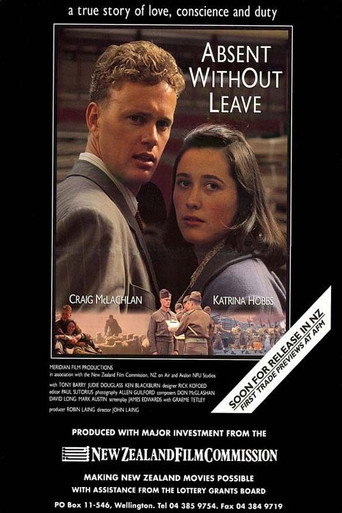
In 1942 Wellington, Daisy Edwards, 16 and pregnant, relies totally on her just-wed husband, Ed, who is little older than she. Ed is suddenly drafted into the army and is to be sent overseas to battle while Daisy is sent to her father in Auckland. When Ed's leave is cancelled at the last minute he takes the dangerous decision to go absent without leave to be with Daisy on her journey home. As a deserter, Ed is hunted, captured and imprisoned. Life inside is bad enought without the worry of what is going on outside. The film is based upon a true story.
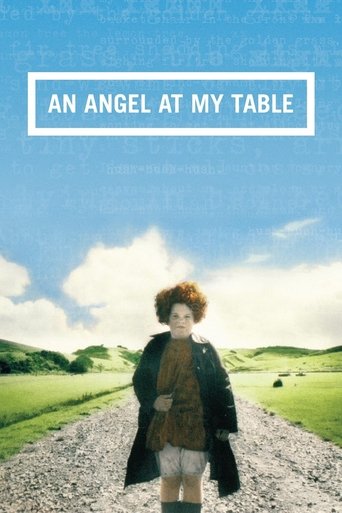
Based on the autobiographical work of New Zealand writer Janet Frame, this production depicts the author at various stage of her life. Afflicted with mental and emotional issues, Frame grows up in an impoverished family and experiences numerous tragedies while still in her youth, including the deaths of two of her siblings. Portrayed as an adult by Kerry Fox, Frame finds acclaim for her writing while still in a mental institution, and her success helps her move on with her life.