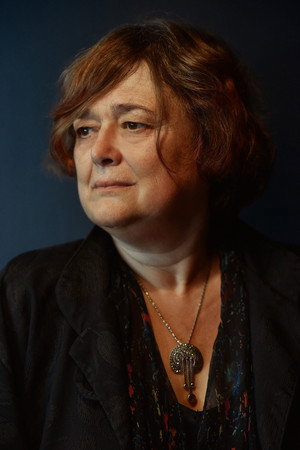
Dominique Cabrera Movies, TV Shows, and Filmography
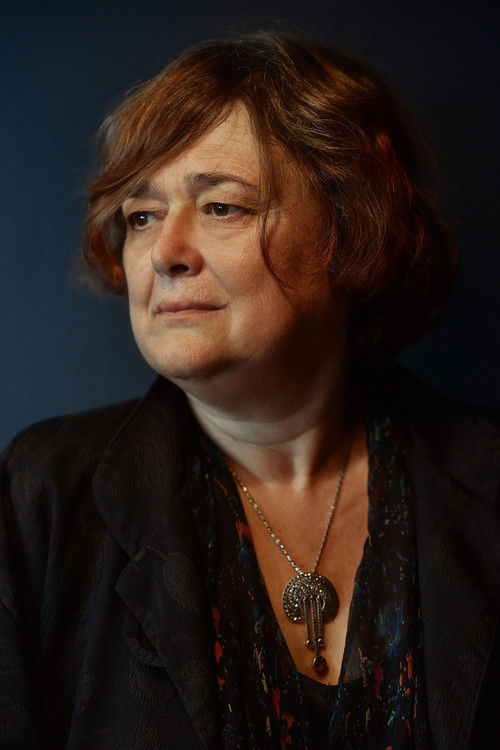
Dominique Cabrera
Directing
Biography
No biography available.
Filmography Movies
Acting
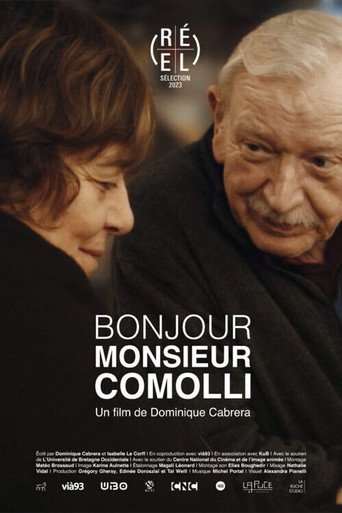
Hi Mister Comolli
A few months before he died, Jean-Louis Comolli meets up with Dominique Cabrera for some free conversations with Isabelle Le Corff. They talk about cinema, life, love, death and Chassagne-Montrachet wine. There is laughter and smiles. One is not really serious at the age of eighty.
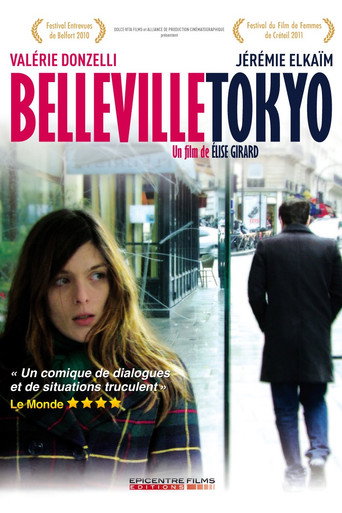
Belleville Tokyo
Un couple se dirige vers un train en partance pour Venise. Sur le quai, Julien annonce à Marie qu’il part en rejoindre une autre et s’en va, la laissant seule à Paris, enceinte. Bouleversée, Marie se refuse à être victime de cette situation. Elle trouve du réconfort dans son travail auprès de ses deux « cow-boys » de patrons, Jean-Jacques et Jean-Loup, qui dirigent un cinéma du quartier latin spécialisé dans les films classiques américains…
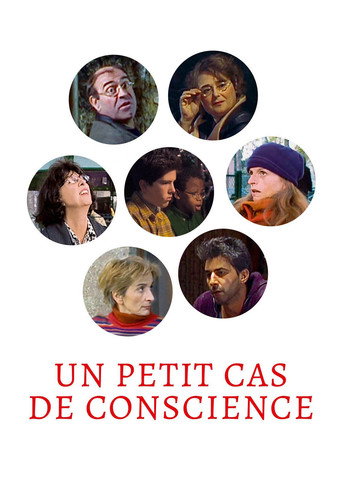
Un petit cas de conscience
Two lesbians are victims of a break-in. Together with their clan of friends, they undertake a wild investigation, with suspense and rigour, to arrive at the truth. Sensitivities are aroused around life choices, and political choices. Questions of morality comically embellished with words of abuse falling into drunkenness.
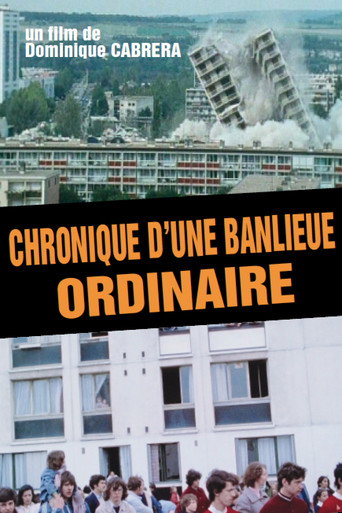
Chronicle of an Ordinary Suburb
On September 26, 1992, four towers in the Val Fourré neighborhood of Mantes-la-Jolie were destroyed. In the spring of 1991, Dominique Cabrera proposed to some of the former residents to retrace their steps. They go through their old dwellings evoking the memories of the past years. All the life of the housing estate resurfaces, convivial, and to say the least, happy.
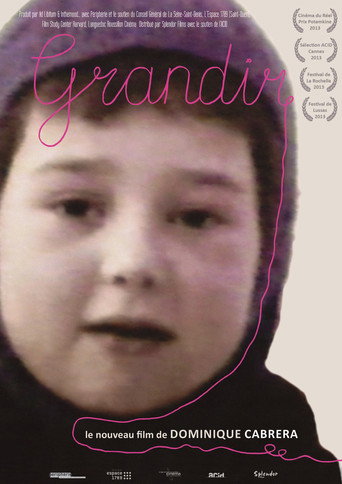
Grandir (O Happy Days!)
In 2002, on the occasion of her brother’s wedding, Dominique Cabrera begun to shoot the gathering, and decided to continue over 10 years, time imprinting its marks on her family and "becoming the film" as she expresses it. Halfway between Agnès Varda and Alain Cavalier, Dominique Cabrera delivers a sensitive film both intimate and universal: "Ten years ago, my brother Bernard got married for the second time. We all went to the wedding in Boston, where he lives. It felt as if we were four little children again with our mom and dad. I had brought along a small camera, which I began to use to film our family. I've continued to this day..."
Production
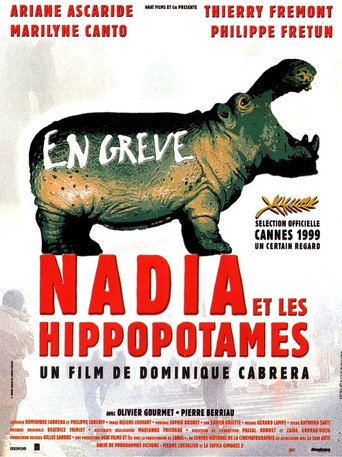
Nadia and the Hippos
Single mother Nadia is surviving on welfare while transport strikes are paralyzing France in December 1995. While watching the news, she recognizes the father of her child among the strikers and decides to go and search for him. But she has nowhere to go. The film, shot almost entirely at night, carries documentary qualities, part of which is due to the appearances of actual railroad workers in several group scenes.
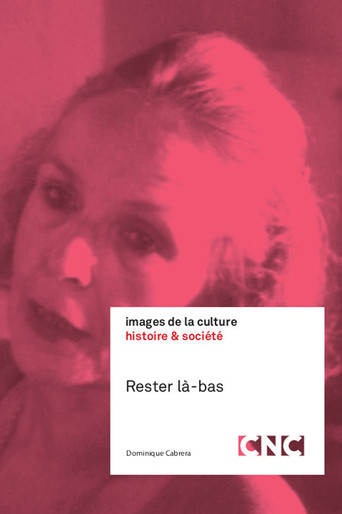
Rester là-bas
Algiers. From the port to the souks, passing through the Jardin d'Essai, Dominique Cabrera transports us to the land where she was born, on the other side of the Mediterranean "where the sea is saltier". If most of the pieds-noirs left Algeria in the summer of 1962, some -a minority- remained. By going to meet them, the director makes her own inner journey.
Rester là-bas
Algiers. From the port to the souks, passing through the Jardin d'Essai, Dominique Cabrera transports us to the land where she was born, on the other side of the Mediterranean "where the sea is saltier". If most of the pieds-noirs left Algeria in the summer of 1962, some -a minority- remained. By going to meet them, the director makes her own inner journey.
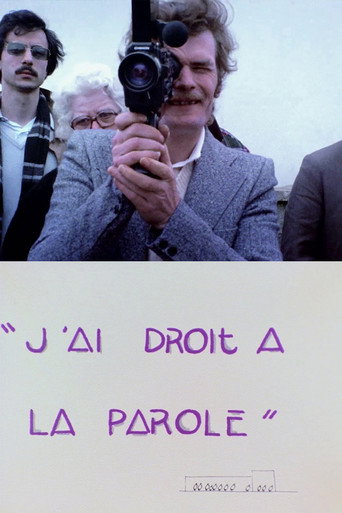
J'ai droit à la parole
In the blocs of low-cost housing in Colombes, the tenants’ association takes part in renovating the buildings.
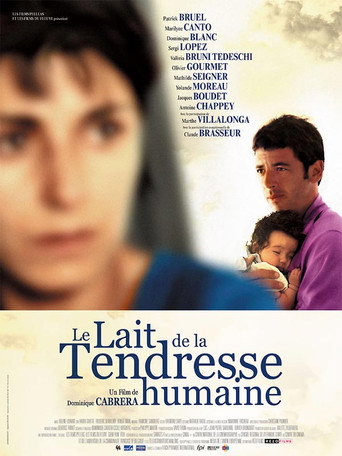
The Milk of Human Kindness
A woman, scared by motherhood and her new born baby, runs away from her home and family to find a shelter at her upstairs neighbour's place.
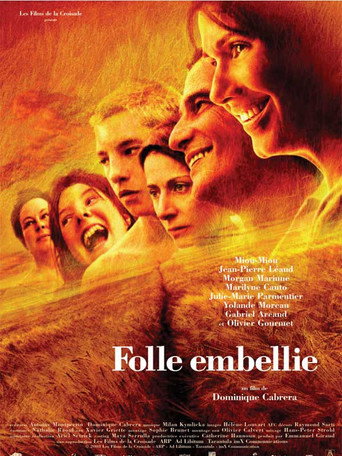
A Wonderful Spell
Set in the summer of 1942 during WWII, the film traces the trajectory of simple people thrown into extraordinary lives, revealing the heart-warming flame of hope and humanity that endures, even in times of war and dispair. As young Julien, his family and a group of friends traverse the French countryside after fleeing the institution they called home, Julien must deal with his father's extreme violence and his mother's rosy fantasies and once again form a family that society tries to forget.
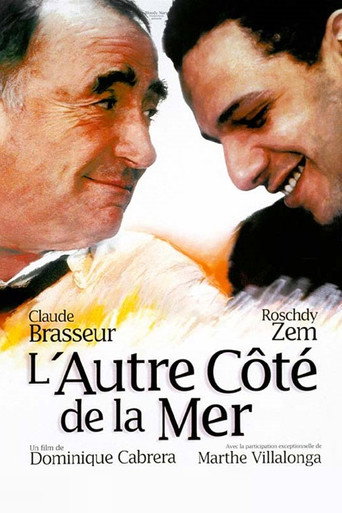
The Other Shore
This film deals with the aftermath of the Algerian war of liberation. Georges Montero, an Algerian-born Frenchman, manages an olive canning factory in Oran. He travels to Paris for a cataract operation. Marinette, his sister, and Belka, his friend and a recent immigrant, want him to return to France permanently. Friction develops between the two friends as Georges is pressured to sell his factory. Friendship developed between Georges and his surgeon, who as a French Arab has severed ties with his culture and country of origin.
Grandir (O Happy Days!)
In 2002, on the occasion of her brother’s wedding, Dominique Cabrera begun to shoot the gathering, and decided to continue over 10 years, time imprinting its marks on her family and "becoming the film" as she expresses it. Halfway between Agnès Varda and Alain Cavalier, Dominique Cabrera delivers a sensitive film both intimate and universal: "Ten years ago, my brother Bernard got married for the second time. We all went to the wedding in Boston, where he lives. It felt as if we were four little children again with our mom and dad. I had brought along a small camera, which I began to use to film our family. I've continued to this day..."
Grandir (O Happy Days!)
In 2002, on the occasion of her brother’s wedding, Dominique Cabrera begun to shoot the gathering, and decided to continue over 10 years, time imprinting its marks on her family and "becoming the film" as she expresses it. Halfway between Agnès Varda and Alain Cavalier, Dominique Cabrera delivers a sensitive film both intimate and universal: "Ten years ago, my brother Bernard got married for the second time. We all went to the wedding in Boston, where he lives. It felt as if we were four little children again with our mom and dad. I had brought along a small camera, which I began to use to film our family. I've continued to this day..."
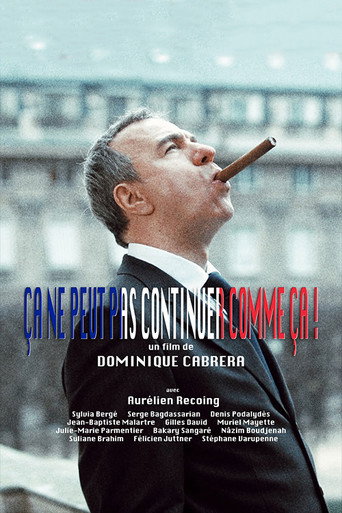
Ça ne peut pas continuer comme ça!
With the President of the Republic very ill, an advisor offers an unusual suggestion: hire a double to replace him during his convalescence. The lucky chosen one is a member of the Comédie-Française but he is also shy, unexciting and often consigned to the supporting role...But a seismic change is about to happen in the Republic.
Gallery