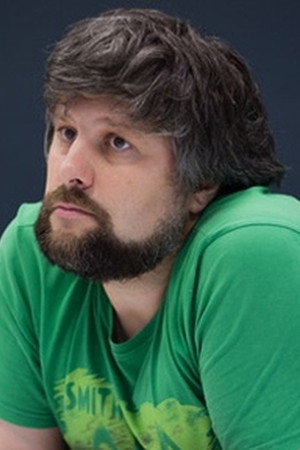
Dmytro Tiazhlov Movies, TV Shows, and Filmography
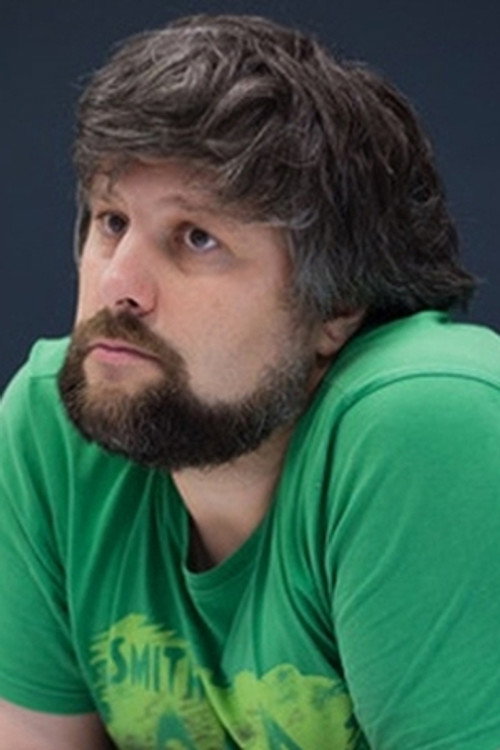
Dmytro Tiazhlov
Directing
Biography
No biography available.
Filmography Movies
Production
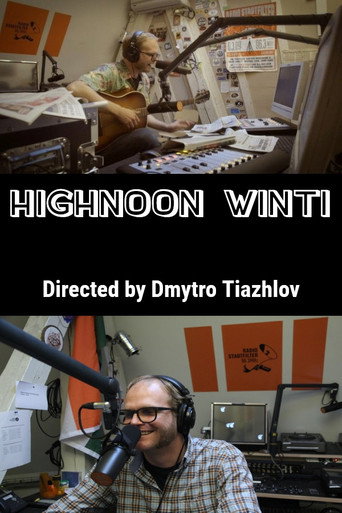
Highnoon Winti
Andrew Phillip Wolfensberger is a radio presenter on Winterthur community radio. Andrew's show Highnoon (the most flourishing and creative period) has been on air for six years and is famous for the song of the week - Andrew singing citizens' letters published in a local newspaper. The film is an essay about Swiss identity, community life, and the relationship between the man and the city.
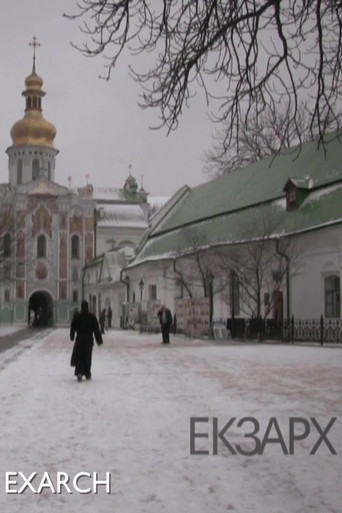
Exarch
A young Orthodox priest, fed up with too much intolerance and hypocrisy at the Kyiv Pechery Lavra, decides to leave his service there. He finds for himself a new flock: gays, lesbians, bisexual and transgender people as well as those living with HIV/AIDS. However, the official Orthodox Church denies them in the right to be Christians and homophobic society compels them to hide their sexual orientation. What has to happen to make the Church embower LGBT believers?
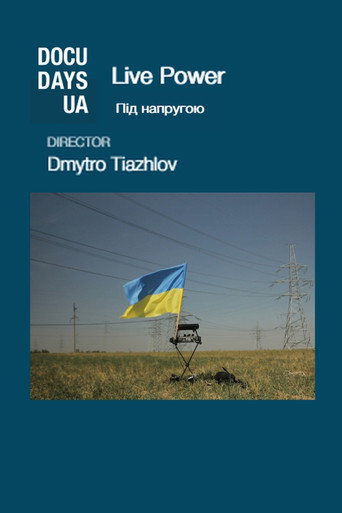
Live Power
The forefront of the global opposition between the state machine, corporations, and communities has been in Ukraine for the past few years. Symbols of the Maidan revolution – Molotov cocktails and burning tires – had already appeared in 2010 in a small village near Odessa. The community’s voice was not heard, and a peaceful protest against a mighty state energy project inevitably turned into violent clashes. Live Power is a four-year story, the story of the fight by the residents of the village of Usatovo against two transmission lines financed by EBRD to be built over their village, a story with the happy end.
Live Power
The forefront of the global opposition between the state machine, corporations, and communities has been in Ukraine for the past few years. Symbols of the Maidan revolution – Molotov cocktails and burning tires – had already appeared in 2010 in a small village near Odessa. The community’s voice was not heard, and a peaceful protest against a mighty state energy project inevitably turned into violent clashes. Live Power is a four-year story, the story of the fight by the residents of the village of Usatovo against two transmission lines financed by EBRD to be built over their village, a story with the happy end.
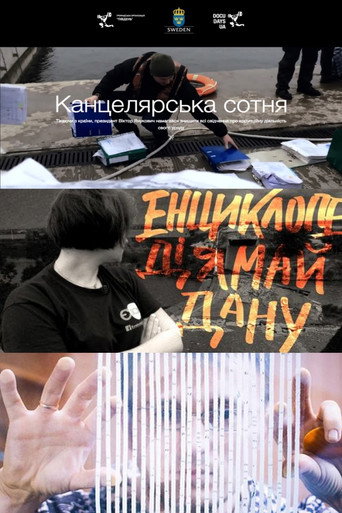
White Collar Unit
While he was fleeing Ukraine, President Viktor Yanukovych tried to destroy all the evidence of his government's corrupt activities. In order to save the drowned, slashed and burned papers and bring about the punishment of the criminals in power, journalists and volunteers organized the White Collar Unit, which day by day is building up valid proof of the crimes from the tiniest pieces.
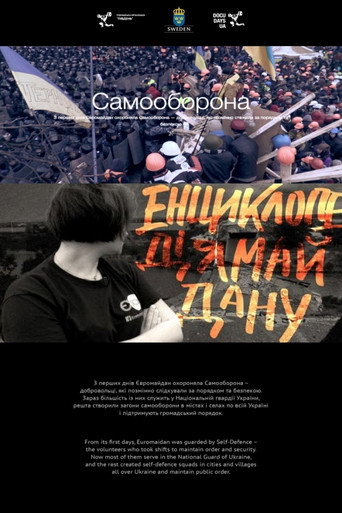
Self-Defense
From its first days, the Euromaidan was guarded by Self-Defense - the volunteers who maintained order and security by working in shifts. Now most of them serve in the National Guard of Ukraine, and the rest have created self-defense squads in cities and villages all over Ukraine and maintain public order. The Odesa Self-Defense revealed a scheme for smuggling fuel via the sea port to the occupied territories of the Donbas.
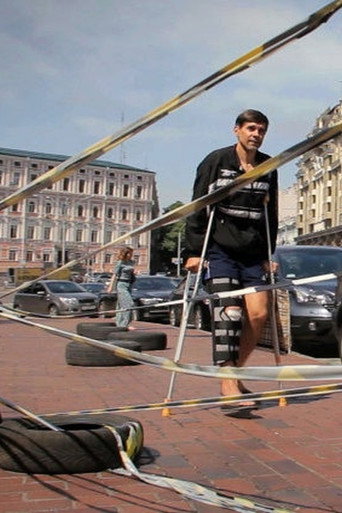
Post Maidan
The authors of the film spend several weeks observing four people on the eve of the presidential elections in Ukraine. All four of them are from different regions of Ukraine - Donetsk, Crimea, Irpin and Kyiv. What they have in common are the wounds they received during the protest actions in Ukraine. Maidan is losing its relevance, and the four characters in the film are trying to deal with their personal problems and take an active part in the country's civic life.
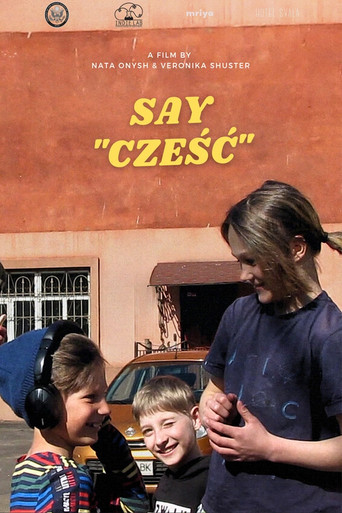
Say 'Cześć'
Due to the war with Russia, 12-year-old Misha is uprooted from his home city of Kyiv and forced to flee to a small Polish town. Struggling to adjust to his new reality and desperate to hold on to the memories of his past life, Misha clings to his phone as a lifeline to his friends and the adventures they left behind.
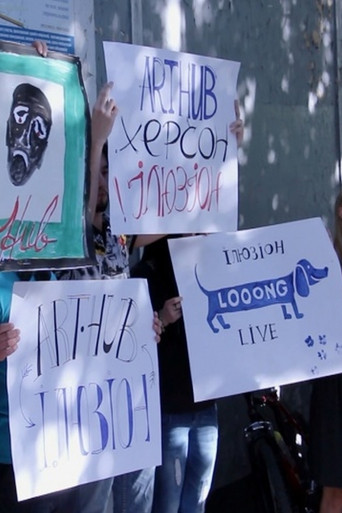
Illusion
This absurd story began in Kherson, Ukraine. Young people create a cultural centre to protect the oldest cinema in the city. But the land at the centre of this city attracts officials and deputies; they want to free up the territory and start a war against the cultural activists.
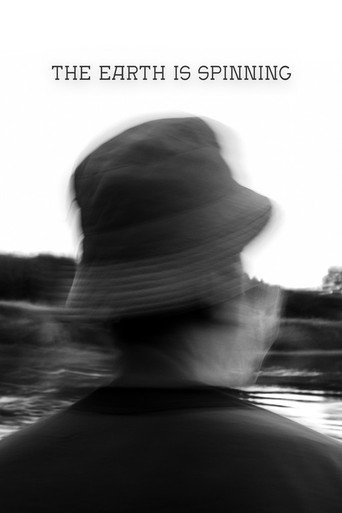
The Earth Is Spinning
In Spring 2020, Ukraine is in lockdown. Returning to the family household after three years away, Olena Kyrychenko finds a depressive mother and an ill father, who is drowning his forced unemployment in alcohol. Her film chronicles with precision an extimate territory, located on the edge of the lost world of childhood and the disenchanted reality of adulthood.
Gallery