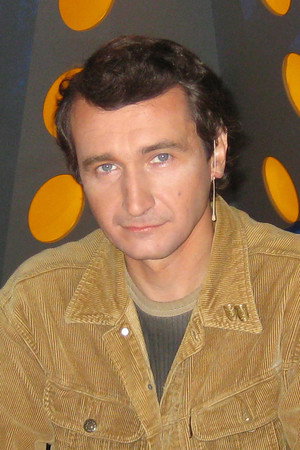
Dmitri Frolov Movies, TV Shows, and Filmography
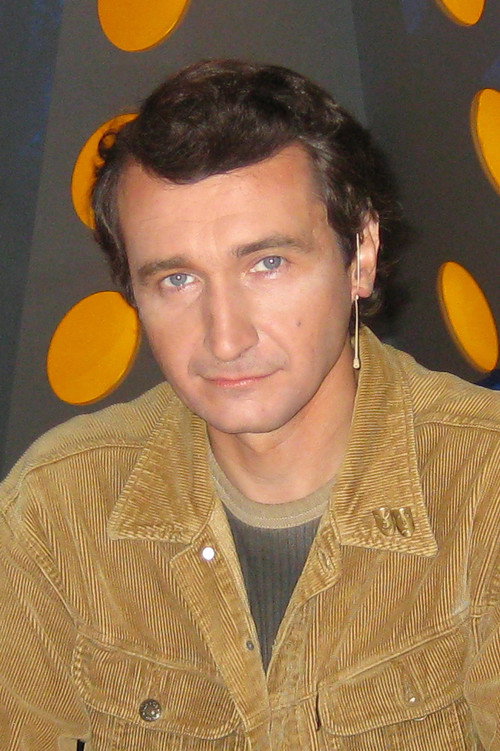
Dmitri Frolov
Directing
Biography
Dmitri Frolov was born in Leningrad in 1966. He graduated from The Institute of Film & Television in 1990. He worked at LENFILM Studios and then for the STV film company as a cameraman, in which capacity he has worked with many independent filmmakers. He began to shoot his own films before the start of perestroika, in the early 1980s. One of his first films, The Battle of Borodino, caused a furore and did much to determine the development of the folkloric trend in cinema. He is one of the leaders of russian movievanguard in postperestroika age. He makes esthetic experiments connecting with return to dumb cinema on new level of movielanguage. His films he shoots exclusively on film company "Svema". Even despite the fact that the film material, said the factory was left far in the Soviet past, and the film is not released, he revives the footage, while continuing to be faithful to the brand selected more child. When asked why, he replied that only "Svema" because of its unpredictability and non-uniformity of the emulsion, is the living material, which is able to convey the thrill of the character of life and even the seemingly inanimate object.
Filmography Movies
Acting
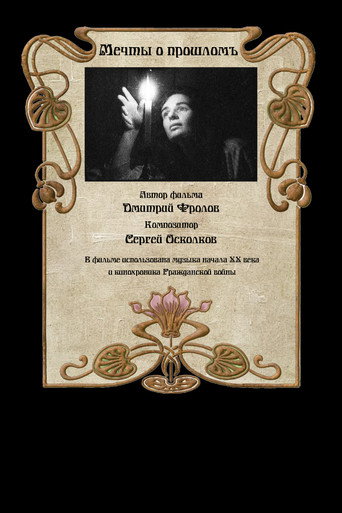
Dreams of the Past
A film about peace, love and war. Dedicated to the 100th anniversary of the end of the Civil War in Russia. The film takes place at the end of the summer of 1917, when Russia and the whole world were at a crossroads between two eras. None of the people could even imagine how much his life would change in the very near future. In a strange way, the atmosphere of the film echoes our current reality and what is happening in Russia today. According to the form of visualization, the film belongs to experimental mockumentary cinema. To give greater authenticity to what is happening on the screen, the shooting was carried out on black-and-white negatives of 16 and 35 mm, hand-operated cameras were used and the material was developed in manual spiral tanks. The documentary chronicle of the Kolchak army of 1919 and the White army in the Far East of 1922 is embedded in the finale of the film.
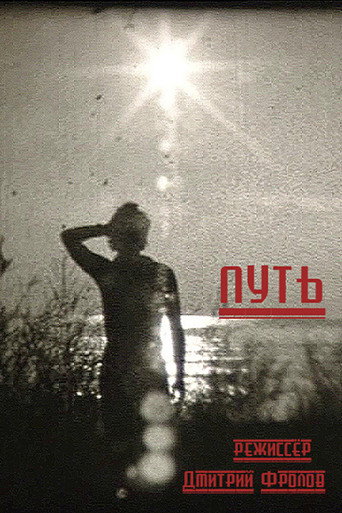
The Way
Three friends meet in a central cheerful pastime. After strolling along the boulevards, they are in nature. The dark side of the forest reveals the subconscious of each. And none of them are unaware of the existence of the world of the forces that awaken in man hidden until the time of the dark side of their personalities. The metaphor of the film is laid bare hidden from direct view the laws of nature to be reckoned with, are unaware of their presence, man.
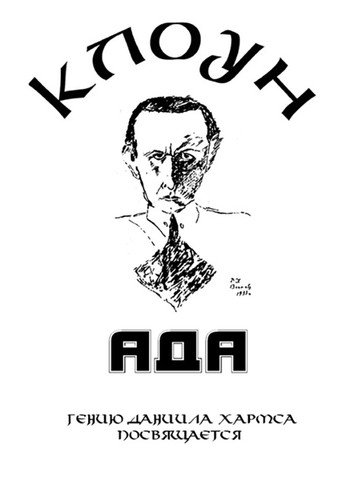
Clownery
The tragicomedy of the absurd, is based on the works of Daniil Kharms (1905-1942). Trying to recreate reality 30s, who came to the flowering of creativity Harms, the director plays the style of filming, acting at that time and enters into the picture, "the aged" sound. Thus, it is possible to achieve maximum reliability of the author's text and sound to help the viewer to immerse themselves in the atmosphere in which he lived and worked classic absurdity. This is - a world of illusions, allusions and associations, reflecting a stream of consciousness of the creator living in an era of silence.
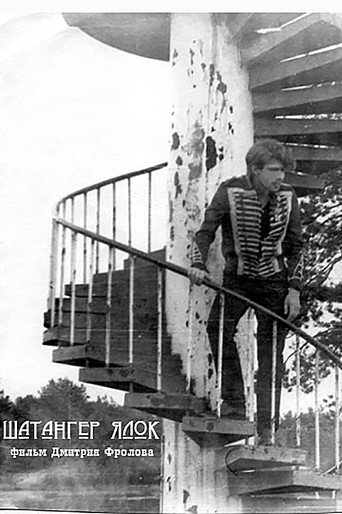
Shatanger Aylok
This film tell us about intricate attitudes in male collectives on navy. The film bore in poetical form with respect for differently minded heroes.
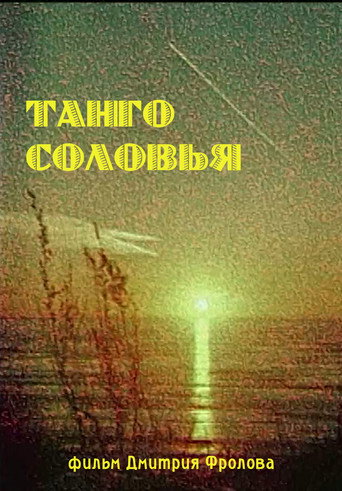
Tango a Nightingale
Romantic fantasy based on "two songs" Marina Tsvetaeva riddled melancholy fleeting meetings and partings long -. A favorite theme times late Silver Age, which came at the beginning of the Great War.
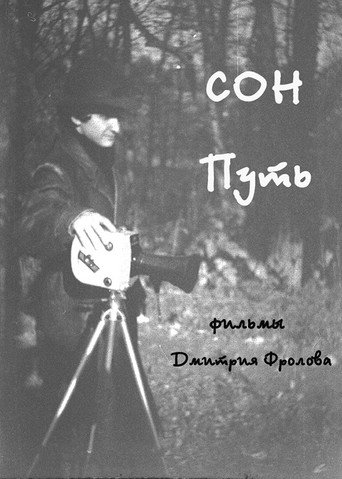
Dream
The first Surrealist film perestroika years.
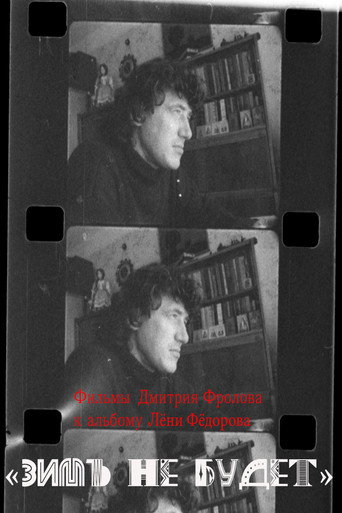
Winter Will Not Be
"There will be no winters" - a film consisting of 14 short novels, each with its own plot and a musical theme. In fact, this is a screen version of the same album of Russian avant-garde singer Leonid Fedorov.
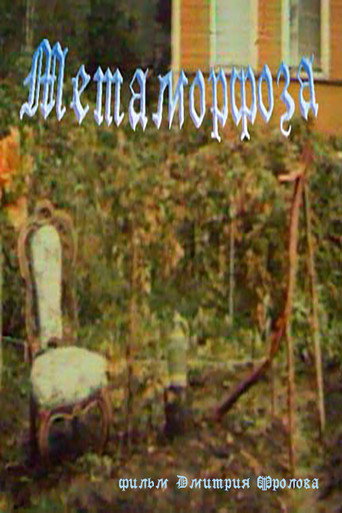
Metamorphosis
A film-parable about the eternal movement of mankind from the Stone Age to self-destruction.
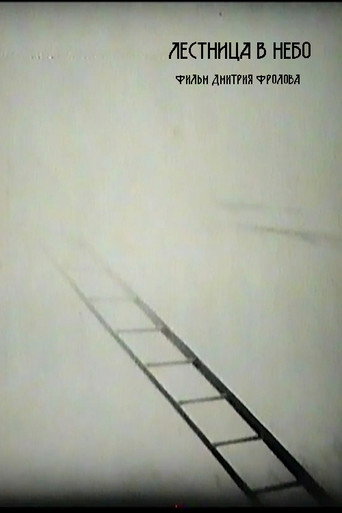
Stairway to Heaven
This Petersburg you will not see on the covers of glossy magazines and advertising brochures. This city is ghosted and brutal, and it is inhabited by very different, often very gloomy people.
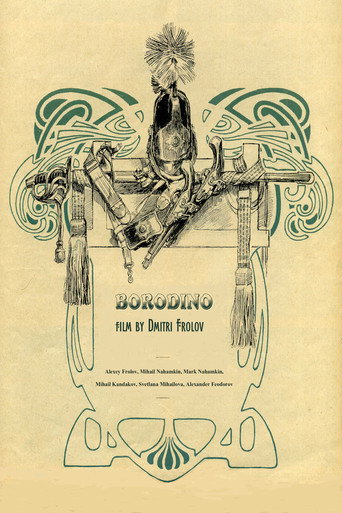
Borodino
An experimental sitcom, shot in the style of silent films of the early twentieth century. A parody of military-patriotic films. The plot of the film is the battle of the Russian army with Napoleon in 1812.
Production
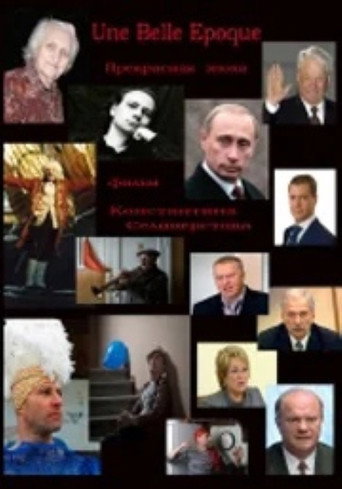
A Belle Epoque
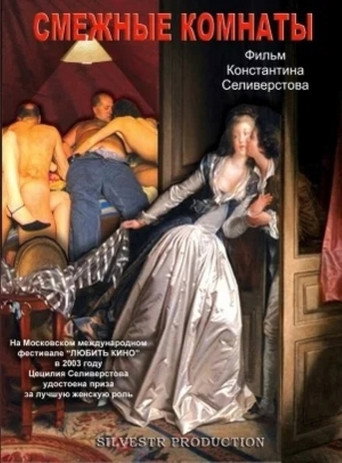
Adjacent Rooms
During one day in an old St. Petersburg apartment, there gathered a large group of moral and ethical freaks and perverts. However, these "thugs" had kind, bright souls...
Be Careful!
The mankind, laughing, to all gets used. Slowly, but correct. It is necessary to recognize, that on a background of prompt growth counterskyscraper and other terrorism, general degradation and degeneration of tastes, the problem of former terrible AIDS is not considered now as something out of the common leaving in a turn universal bad. In comparison with all by rest of the same sort, is in it even and something positive: for pleasure suffer, instead of so that sleep, and wake up under concrete ruins, not having and opportunity to send last "forgive" over the mobile telephone. From asheses send - in ashes we will address, as teach us clever books. In film, about which there will be a speech, the alternative way which was less giving back with didactics, formalin and fatalism is offered.
Dreams of the Past
A film about peace, love and war. Dedicated to the 100th anniversary of the end of the Civil War in Russia. The film takes place at the end of the summer of 1917, when Russia and the whole world were at a crossroads between two eras. None of the people could even imagine how much his life would change in the very near future. In a strange way, the atmosphere of the film echoes our current reality and what is happening in Russia today. According to the form of visualization, the film belongs to experimental mockumentary cinema. To give greater authenticity to what is happening on the screen, the shooting was carried out on black-and-white negatives of 16 and 35 mm, hand-operated cameras were used and the material was developed in manual spiral tanks. The documentary chronicle of the Kolchak army of 1919 and the White army in the Far East of 1922 is embedded in the finale of the film.
Dreams of the Past
A film about peace, love and war. Dedicated to the 100th anniversary of the end of the Civil War in Russia. The film takes place at the end of the summer of 1917, when Russia and the whole world were at a crossroads between two eras. None of the people could even imagine how much his life would change in the very near future. In a strange way, the atmosphere of the film echoes our current reality and what is happening in Russia today. According to the form of visualization, the film belongs to experimental mockumentary cinema. To give greater authenticity to what is happening on the screen, the shooting was carried out on black-and-white negatives of 16 and 35 mm, hand-operated cameras were used and the material was developed in manual spiral tanks. The documentary chronicle of the Kolchak army of 1919 and the White army in the Far East of 1922 is embedded in the finale of the film.
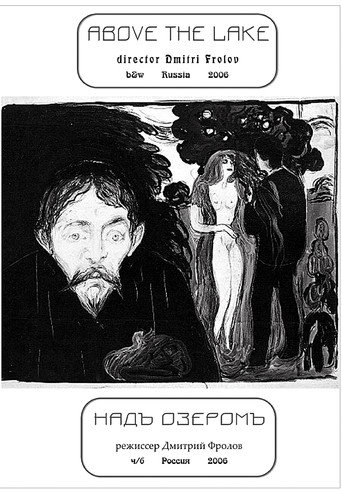
Above the Lake
Avant-garde homage to pre-revolution Russian silent movies, and to the poet Aleksandr Blok.
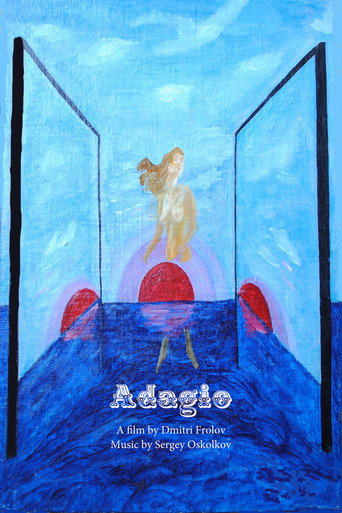
Adagio
«I often have dreams. Careless dreams. When the sun was shining. It was calm and quiet. And a peaceful sky overhead.» An experimental musical film on the theme of love. Memories of the past excite the imagination and make you evaluate what is happening in the present in a new way.
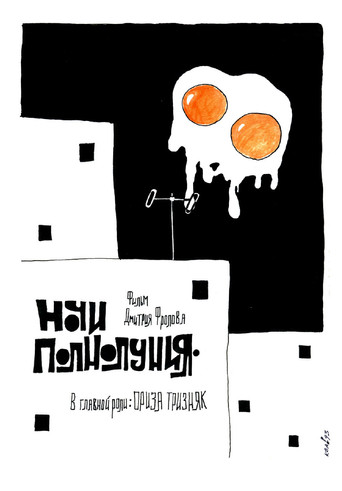
The Bigmoon Nights
The film "Nights full moon" shows the tendency of moral decay in society. The main character is torn apart by internal contradictions, leading him to the path of Evil. Bans on self-identification - philosophical, existential, sexual, and then permissiveness spawn a monster that is not aware of its true nature and genuine desires. Throughout the film-trilogy, the protagonist goes through a series of temptations that ruin his soul and lead, after all, to a madhouse. In a general sense, the film allegorically shows the tragic path of the Russian lumpen intellectual, lost between the past and the present, not finding the strength to accept and comprehend the unexpected changes that happened in our country twenty years ago. In the global sense - the tragic circle of Russian history.
Tango a Nightingale
Romantic fantasy based on "two songs" Marina Tsvetaeva riddled melancholy fleeting meetings and partings long -. A favorite theme times late Silver Age, which came at the beginning of the Great War.
The Bigmoon Nights
The film "Nights full moon" shows the tendency of moral decay in society. The main character is torn apart by internal contradictions, leading him to the path of Evil. Bans on self-identification - philosophical, existential, sexual, and then permissiveness spawn a monster that is not aware of its true nature and genuine desires. Throughout the film-trilogy, the protagonist goes through a series of temptations that ruin his soul and lead, after all, to a madhouse. In a general sense, the film allegorically shows the tragic path of the Russian lumpen intellectual, lost between the past and the present, not finding the strength to accept and comprehend the unexpected changes that happened in our country twenty years ago. In the global sense - the tragic circle of Russian history.
Gallery