Édith Piaf Movies, TV Shows, and Filmography
Édith Piaf
Acting
Biography
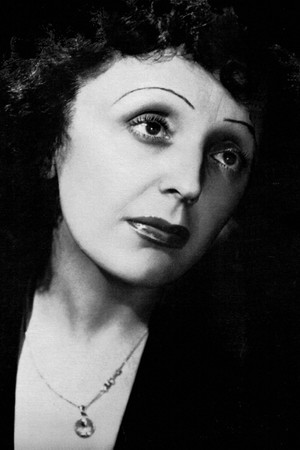
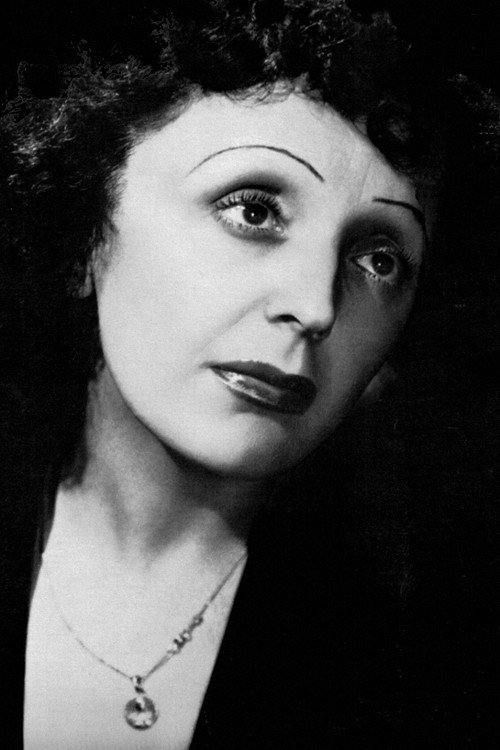
Édith Piaf (born Édith Giovanna Gassion, 19 December 1915 – 10 October 1963) was a French singer, lyricist and actress. Noted as France's national chanteuse, she was one of the country's most widely known international stars. Piaf's music was often autobiographical, and she specialized in chanson réaliste and torch ballads about love, loss and sorrow. Her most widely known songs include "La Vie en rose" (1946), "Non, je ne regrette rien" (1960), "Hymne à l'amour" (1949), "Milord" (1959), "La Foule" (1957), "L'Accordéoniste" (1940), and "Padam, padam..." (1951). Since her death in 1963, several biographies and films have studied her life, including 2007's La Vie en rose. Piaf has become one of the most celebrated performers of the 20th century. Despite numerous biographies, much of Piaf's life is unknown. She was born Édith Giovanna Gassion in Belleville, Paris. Legend has it that she was born on the pavement of Rue de Belleville 72, but her birth certificate says that she was born on 19 December 1915 at the Hôpital Tenon, a hospital located in the 20th arrondissement. She was named Édith after the World War I British nurse Edith Cavell, who was executed 2 months before Édith's birth for helping French soldiers escape from German captivity. Piaf – slang for "sparrow" – was a nickname she received 20 years later. Louis Alphonse Gassion (1881–1944), Édith's father, was a street performer of acrobatics from Normandy with a past in the theatre. He was the son of Victor Alphonse Gassion (1850–1928) and Léontine Louise Descamps (1860–1937), known as Maman Tine, a "madam" who ran a brothel in Bernay in Normandy. Her mother, Annetta Giovanna Maillard, better known professionally as Line Marsa (1895–1945), was a singer and circus performer born in Italy of French descent on her father's side and of Italian and Kabyle on her mother's. Her parents were Auguste Eugène Maillard (1866–1912) and Emma (Aïcha) Saïd Ben Mohammed (1876–1930), daughter of Said ben Mohammed (1827–1890), an acrobat born in Mogador and Marguerite Bracco (1830–1898), born in Murazzano in Italy. Annetta and Louis-Alphonse divorced on 4 June 1929. Piaf's mother abandoned her at birth, and she lived for a short time with her maternal grandmother, Emma (Aïcha). When her father enlisted with the French Army in 1916 to fight in World War I, he took her to his mother, who ran a brothel in Bernay, Normandy. There, prostitutes helped look after Piaf. The bordello had two floors and seven rooms, and the prostitutes were not very numerous – "about ten poor girls", as she later described. In fact, five or six were permanent while a dozen others would join the brothel during market days and other busy days. The sub-mistress of the brothel was called "Madam Gaby" and Piaf considered her almost like family, since she became godmother of Denise Gassion, Piaf's half-sister born in 1931. Edith believed her weakness for men came from mixing with prostitutes in her grandmother's brothel. ... Source: Article "Édith Piaf" from Wikipedia in English, licensed under CC-BY-SA 3.0.
Filmography Movies
Acting
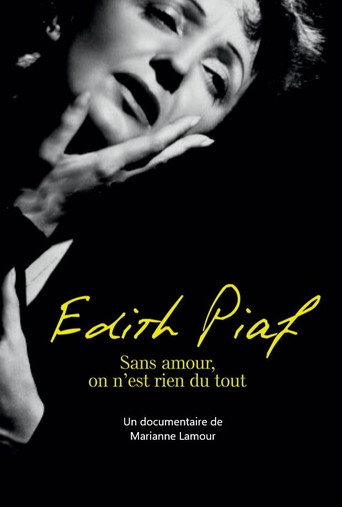
Piaf: Without love we are nothing at all
Born a hundred years ago, Edith Piaf remains the embodiment of popular song and passionate love, the painful poetry of the Parisian pavement.
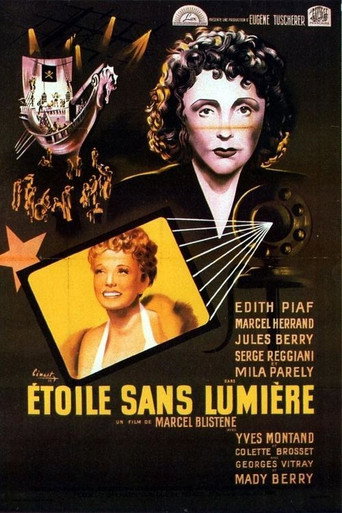
Star Without Light
An aspiring singer tries to break into films during the early talkie era. She is hired to dub the singing and speaking voice of a silent-movie favorite. Sworn to secrecy, the fill-in must stand by in silence as the star receives all the praises and plaudits.
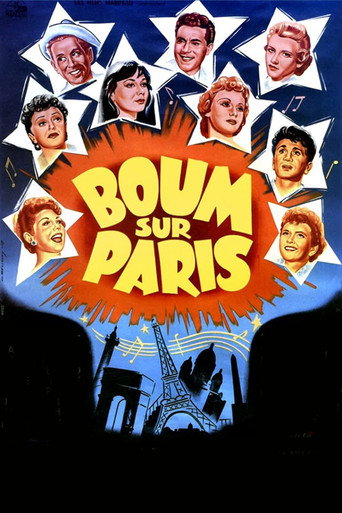
Boom on Paris
In the early 1950s, the popular radio show "La Kermesse aux Étoiles", hosted by the famous Jean Nohain, mixing lottery games and performances of various artists, will be disrupted by the adventures of a man and his fiancée seeking to recover a dangerous bottle of perfume (explosive) which was unfortunately mixed with the prizes to be won ...
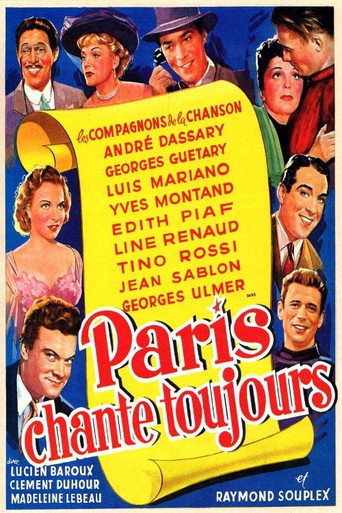
Paris Still Sings!
A famous comedian decrees that his fortune will go to whoever collects as many pop star autographs as quickly as possible. When he dies, two cousins embark on the race for signatures.
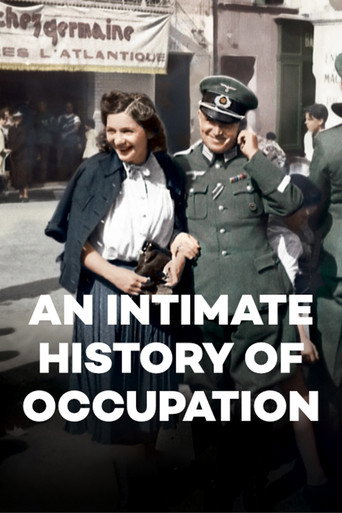
An Intimate History of Occupation
June 14, 1940. The German Army marches into Paris. France is an occupied country. Through exclusive amateur footage, personal stories, and popular songs from the time, this fi lm recounts life with the enemy during the occupation, as seen by the French... and the Germans! Despite the Nazis and the troubled war times, day-to-day life in occupied France went on. People learnt to live with the rationing, the cues, the curfew... Many try to forget the hard times, mainly thanks to the movies in which big stars provide a little dream and lead a privileged life. These stars don't actually collaborate, butadapt and give the impression of normal life during the war. After all, is it necessarily shameful to shake the hand of an enemy?
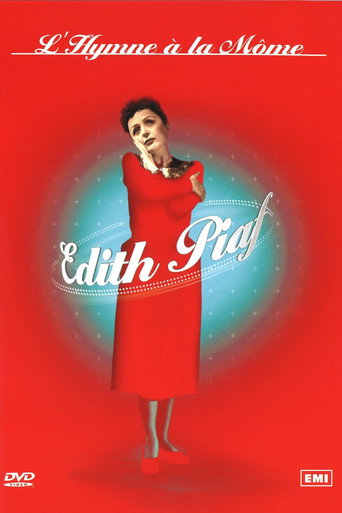
Édith Piaf : L'Hymne à la môme
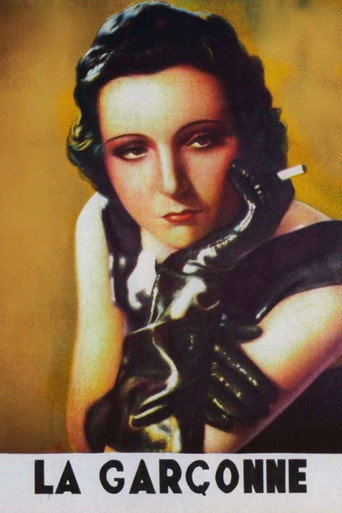
The Tomboy
The eponymous garçonne or flapper is Monique Lerbier, an emancipated French woman who leaves home to escape a marriage of convenience to a man she does not love which her parents have forced on her. She then falls into all sorts of carnal temptations and artificial pleasures previously unknown to her. These include her being seduced into a lesbian love affair by a chanteuse.
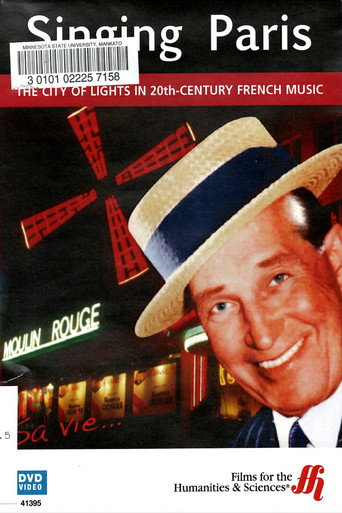
Singing Paris: The City of Lights in 20th-Century French Music
Songs about a certain time and place are more than sentimental musings—they also serve as departure points for cultural and sociological studies. This program uses popular 20th-century French music to explore the rich character and modern-era development of Paris. Juxtaposing commentary from French scholars, performers, and business leaders with classic recordings by Edith Piaf, Brigitte Bardot, Maurice Chevalier, and other artists, the film sheds light on the evolution of Paris and its component districts since the early 1900s. It also examines the special qualities that have made Paris a hub of art and fashion for centuries and the specific ways in which both Parisians and foreigners view the city. Contains brief nudity.
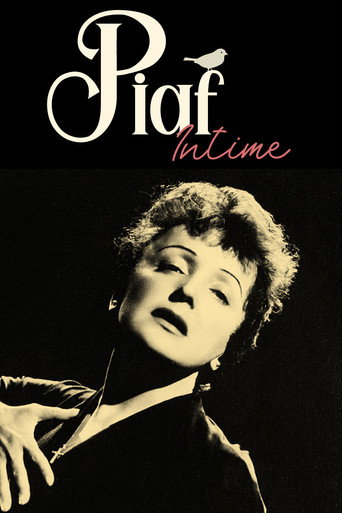
Piaf intime
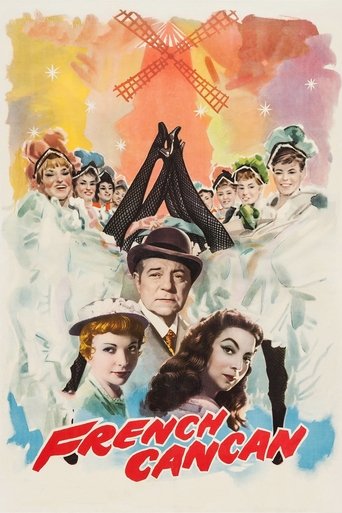
French Cancan
Nineteenth-century Paris comes vibrantly alive in Jean Renoir’s exhilarating tale of the opening of the world-renowned Moulin Rouge. Jean Gabin plays the wily impresario Danglard, who makes the cancan all the rage while juggling the love of two beautiful women—an Egyptian belly-dancer and a naive working girl turned cancan star.
Production
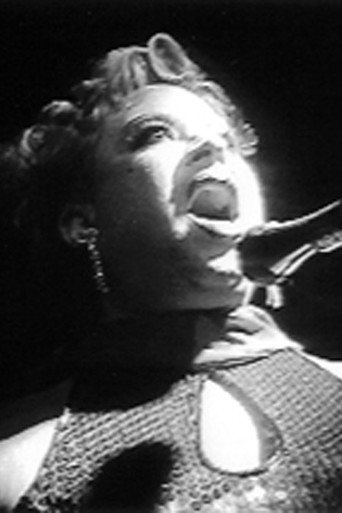
Avant toi
A drag queen diva, Pitiful Bitch, does an over-the-top lip synching performance to Edith Piaf.

Les Magnifiques sauvages
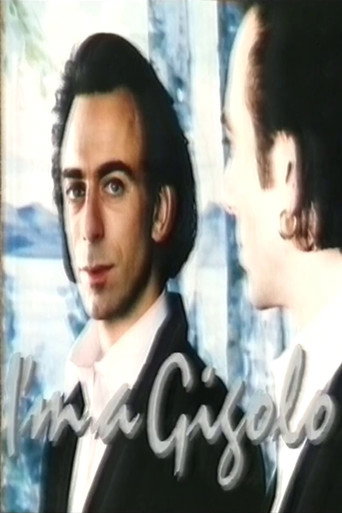
I'm a Gigolo
Rikard Wolff performs his show "I'm a Gigolo" from Cirkus in Stockholm.
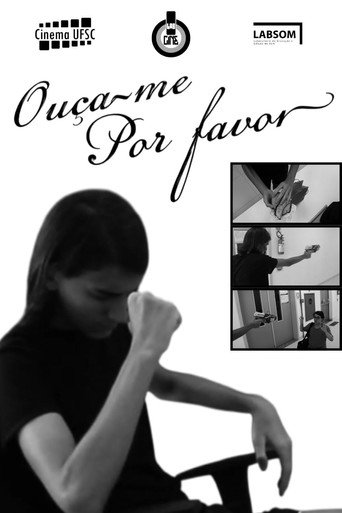
Ouça-me Por Favor
After not receiving in his house the pressed sandwich that he had requested, a mentally instable young boy feels obligated to commit heinous acts.
Gallery