Dirk de Bruyn Movies, TV Shows, and Filmography
Dirk de Bruyn
Directing
Biography
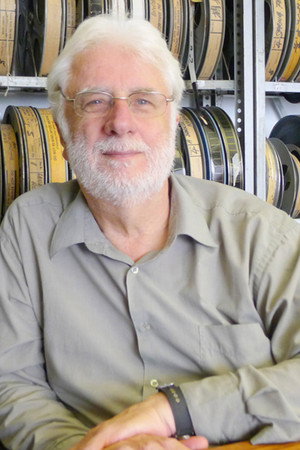
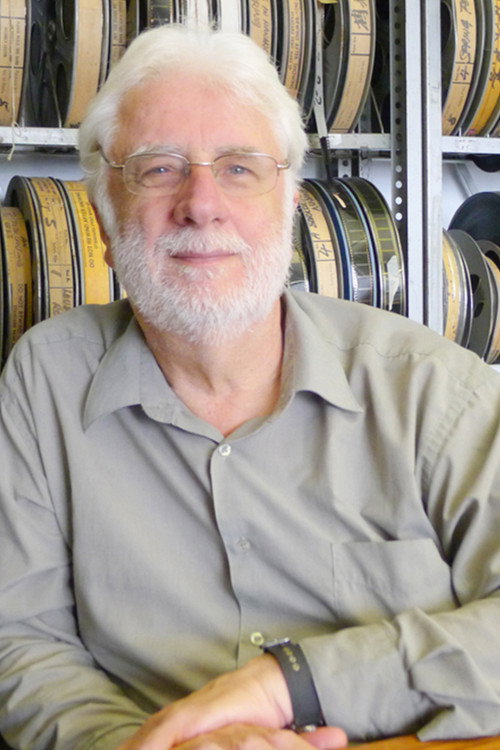
Dirk de Bruyn is Associate Professor of Screen and Design at Deakin University, Melbourne, Australia where he teaches Animation and Documentary Animation modules. He has made numerous animations, performance and installation work over the last 40 years. His book "The Performance of Trauma in Moving Image Art" was published in 2014. His recent animations such as "Re-Vue" (2017), "Chanting" (2018), "Recover" (2017) and "Living in the Past" (2018) have been screened internationally. Retrospective programs of his animations have been presented at Melbourne International Animation Festival (2016), Alternativa, Serbia, Punto Y Raya, Karlsruhe Germany (2016) and Cineinfinito in Spain (2019, 2020).
Filmography Movies
Acting
Conversations with my Mother
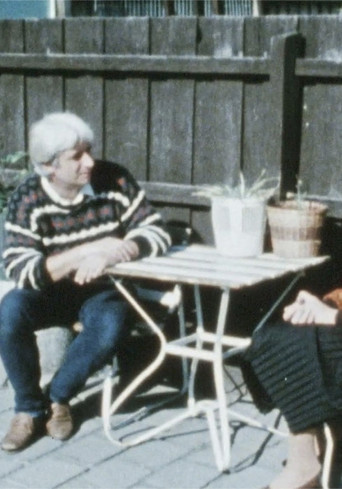
An intense and sometimes disturbing series of encounters between the filmmaker and his mother as they relive the traumatic years of his childhood and adolescence. Following the migration of the family to Australia from Holland in the difficult postwar years they had to grapple with problems of housing, social injustice and adjustment made more difficult by the father's mental illness. For the filmmaker 'the sentiment had to be uncompromisingly true' although he became aware that 'all film is fiction'. National Film and Video Lending Service Catalogue, ACMI.
The House That Eye Live In
Migrating by sea from Holland as an eight-year-old, Dirk de Bruyn went on to be a doyen of Australian experimental cinema. But as this intimate film reveals, his work is suffused with the trauma of migration, and the struggle to recognise himself as a ‘new Australian'. In conversation with documentarian Steven McIntyre, Dirk guides us through more than 40 years of his filmmaking: the early years exploring technique and technology, a subsequent phase of unflinching self-examination brought on by upheaval and overseas travel, and more recent projects where he attempts a fusion of personal, cultural, and historical identity. What emerges is an inspiring, rugged, and at times poignant portrait of an artist committed to self-expression and self-discovery through the medium of film.
My Blessings
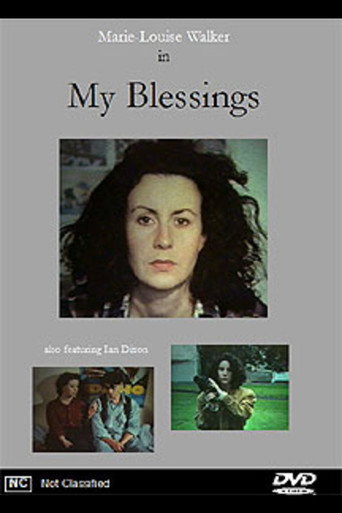
A diary film, chronicling six days in the life of a woman in her early 30's. A portrait of isolation, striving, rejection and hope.
Production
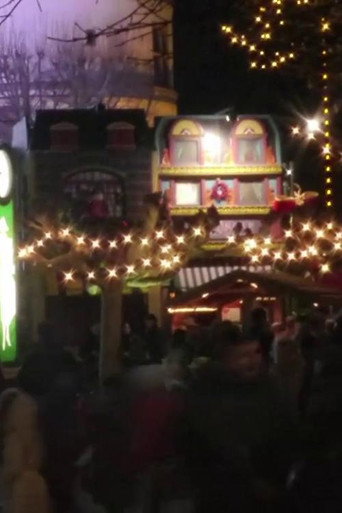
Found Found Found
Groundbreaking experimental/avant garde travel diary essay film. A reflection on communication.
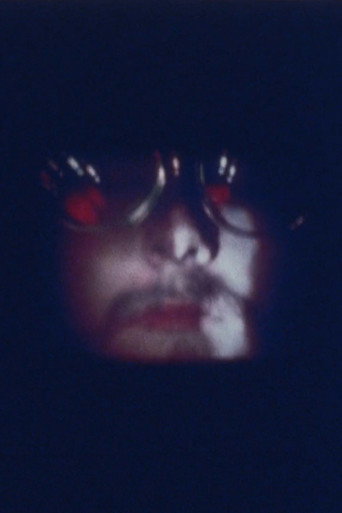
Zoomfilm
An experimental film dedicated to the "blink". Dynamic abstractions (created through the use of prodigious optical printing and directly working the film frame) investigate the nature of human optics. Music by Maurizio Kagel.
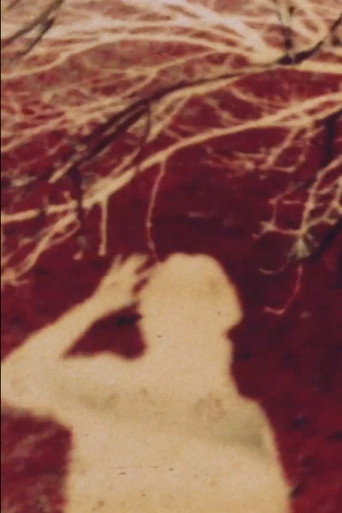
Walk
The film follows walking feet and progresses to a preoccupation with the dancing shadow of the camera and the filmmaker. Much of the footage was home-processed to obtain the golden colours and solarization effects. In part the film documents the marking out of suburban space. By that I mean, that in suburban property the front and back yards form a private domain. This film tries to illuminate that space.
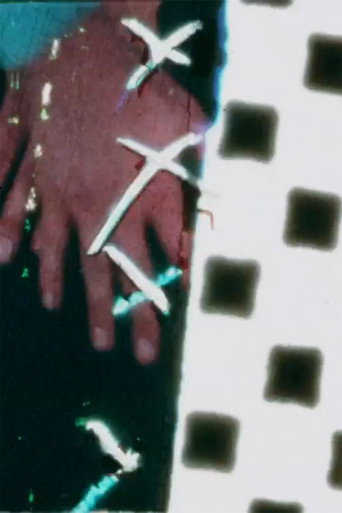
Knots
The roving eye in the crowd. Flickering sunlight. Fast forward. B4 it was seeing faint movement on the distant horizon. Now the skill is to see the rush from the passing car. We are on the run. Visual experiences that cement out daily lives, with an increasing uneasy disjointedness. Images like afterthoughts. Flows. Standing waves. Kill kill the eye. Fade the past. Fun the film like water through the eye. Rush ruse use muse. The language of the flash now. Curtains twisting and folding. Images tying around each other: distant memory.
Vision
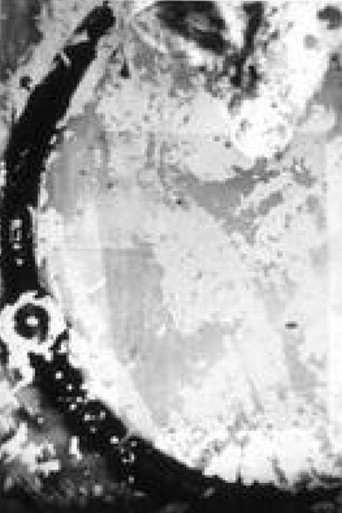
"...No photographed images. All handmade. It's all these squares, lines. The main techniques were bleaching and dyeing and sticking letraset material to the film strip. The images don't rush: they much more fold over the top of one another. Palimpsest. Using the pos/neg flickering helps to sustain the images..." – D.B. from "Where's Our Satellite," Melbourne, Australia (1985)
Click If You Like This
film by Dirk de Bruyn & Glenn D’Cruz
Death of Place (annotated)
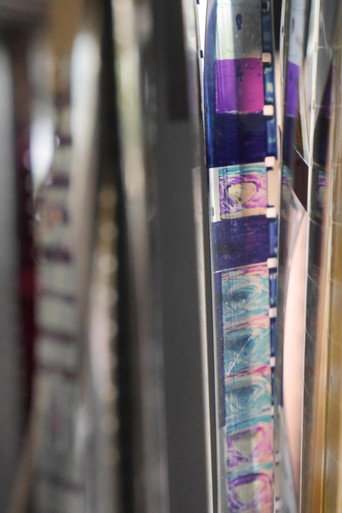
"This annotated version Death of Place is about something that has died but is continually re-gurgitated into something else, that expands into a stupefied academic rattle, referencing and word play. I must say that having to stand in front of a group of students to explain what I do has been a welcome challenge that has found its way into my work. There is always an element of probable rejection in that dialogue."
H2
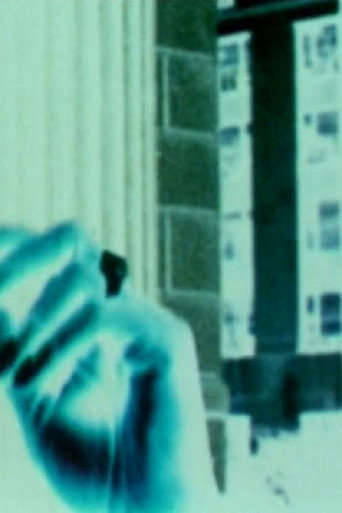
Cut down to 16mm from a 35mm trailer for the movie Shaft, the slowed down voice, gunshot explosions and lsaac Hayes' iconic music become barely recognisable and monstrous. The arbitrary framing provides glimpses of the edges of faces, fleeting urban scenes, partial text, all rendered in cyan negative in a kind of psycho-dramatic abstraction, all the more unsettling than Gordon Parks's originating gangster populated dystopia. It is a reminder of how, by simply repositioning the frame, extant material can be transformed.
Analog Stress
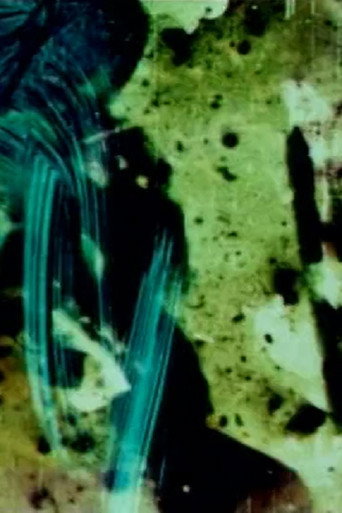
Consists of scratched and reanimated found industrial and discarded personal footage. The sonic soundtrack is similarly reconstructed from scratches, pen marks, Letraset strips and the music and phrases of found films.
Schist
Silent, but often paired with Burt & Chabade's Four Possible Soundtracks for Dirk De Bruyn's "Schist" (1999).
Gallery