Dilorom Kambarova Movies, TV Shows, and Filmography

Dilorom Kambarova
Acting
Biography
No biography available.
Filmography Movies
Acting
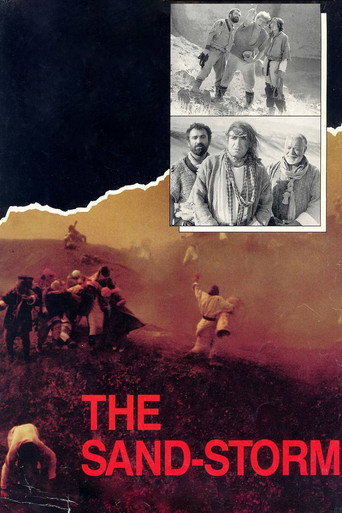
The Sand-Storm
In this heavyhanded political allegory, set in the plains and mountains of Central Asia, a tribe of people led by the fanatical Mavrut (Vladimir Msrian) wanders about in the most desolate parts of this already desolate region in search of a mythical "Land of Happiness." Their quest is hampered by the fact that they must all live a life which is extremely ascetic. One tribeswoman expresses a desire to have a child, but is rebuked by being reminded that she has vowed never to have worldly ties that would distract her from the quest. When she has a child anyway, she and her lover are made to pay for this crime in a horrific way. Despite that, the child becomes a kind of holy mascot for the group, touted by the leader as a kind of savior. They are distressed when the child goes missing one day, only to appear mysteriously on the opposite side of the rapids of a river, beckoning to them.
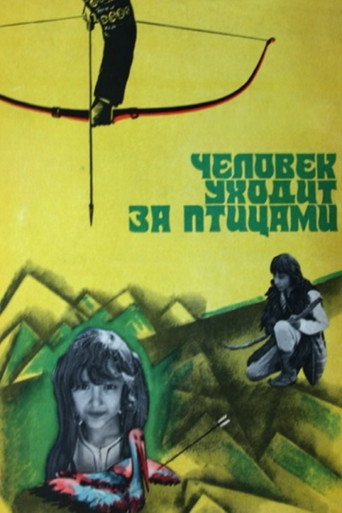
Man Follows Birds
Man Follows Birds is a coming-of-age story of a young Uzbek poet surrounded by violence. Farouk is fascinated by trees and Khamraev films him with a lot of melancholy and tenderness. Cast apart because he’s poor and his father’s drunk, Farouk is not happy in his village. When his father dies, he decides to go in the mountains with his best friends. Looking for nature at its purest, the two teenage boys have to deal with the cruelty of violent barbarians. Their trip will also make them meet a lost orphan girl and a wise beggar.
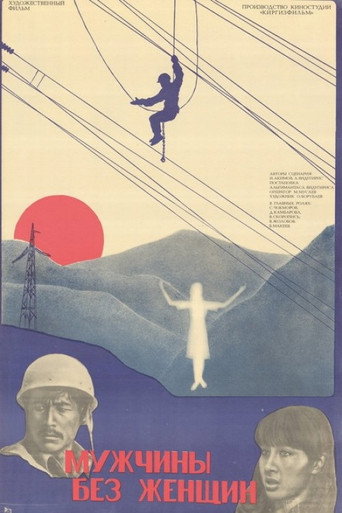
Men Without Women
A team of rescue workers do what they can in the desperate situation left by an earthquake in the Kyrgyz mountains.
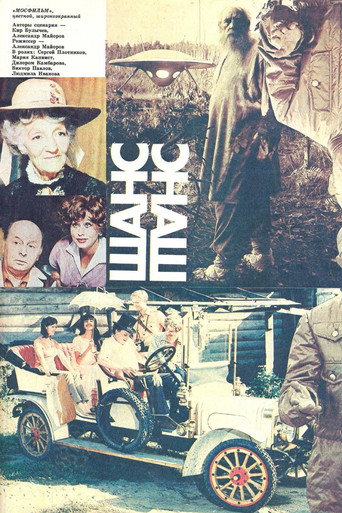
Chance
In the middle of the 17th century, a Cossack named Almaz Bitiy saves an alien from a certain death. In gratitude, he gives the Earthman an elixir of youth.
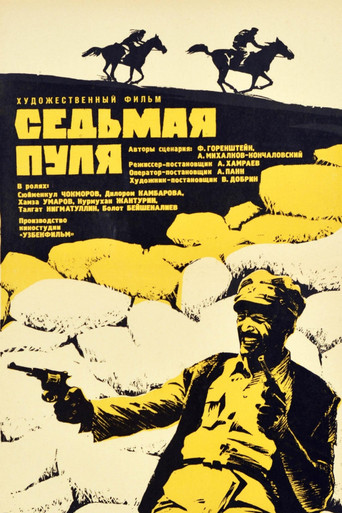
The Seventh Bullet
Despite the restoration of Soviet power in the area, Basmachis continue to arrive from across the border, bringing death and destruction to peaceful villages. One of the bands of rebels is led by Khairulla who is pitted against the militsiya (local militia) leader Maxumov. At first it seems hopeless for Maxumov as the rebels capture most of his men, winning them over to his side. He has only one strategy left; to give himself up, and try to explain to the people that Khairulla has deceived them, turning the soldiers back to revolution. Later in pursuit of his enemy, he chases Khairulla across a river. He has only one bullet left -- the seventh, and he must not miss his target!
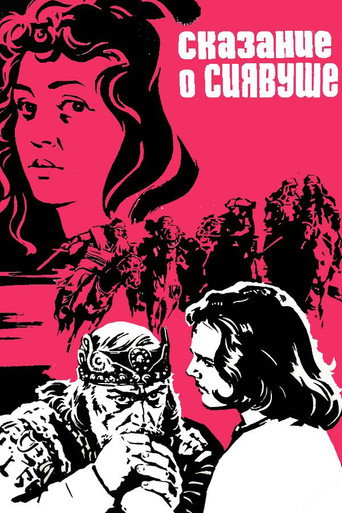
Legend of Siavush
The third part of Tajik trilogy.
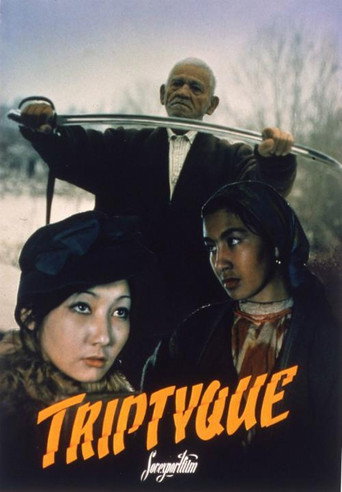
Triptych
Three women’s lives intersect in a small town in Uzbekistan following the Second World War. The first, an old woman trapped in a forced marriage; the second, a schoolteacher intent on imposing progress on the remote region; the third, a young woman determined to build her own house without her husband’s or the state’s approval.
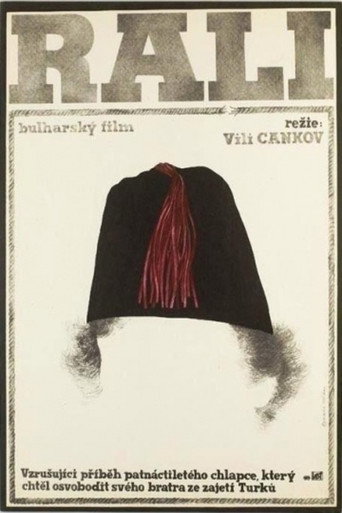
Rali
1876. The Turks murder the parents of the 14-year-old Rali. His only relative is sentenced to life imprisonment in the Asian fortress. Rali walks after the condemned men. After a long and painful road, he reaches the fortress. He finds help from the old man and his daughter. With their assistance, he organizes the escape of the condemned. After numerous adventures the fugitives reaches the motherland. They enlist in a Bulgarian rebel army together with the Russian soldiers of the Russian-Turkish War for the freedom of Bulgaria.
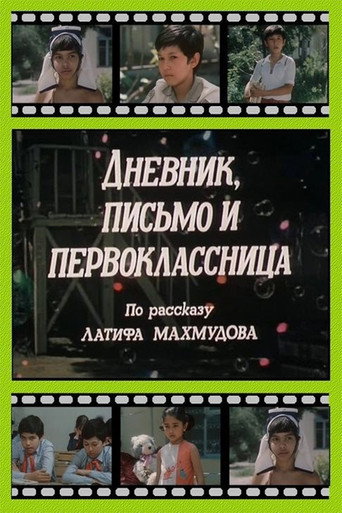
Diary, Letter and the First Grader
Fifth-graders Ulugbeg and Mirvali academic success did not differ. And when the teacher asked Ulugbek to give the letter to his father, the boy thought it best not to carry out this assignment. He also helped the first-grader Umida to correct one for four in her diary. However, thinking about their actions, Ulugbek and Mirvali change their attitude to study and decide to re-educate lazy Umida.
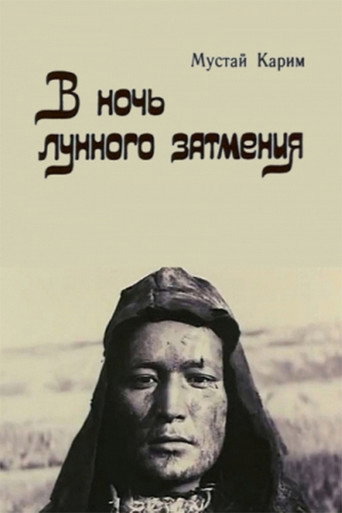
On the Night of Lunar Eclipse
The film is based on the play of the same name by the national poet of Bashkortostan Mustai Karim. The events of the film take place in the XVII century. Drama from the history of the Bashkir people.
Gallery