Directing
No biography available.
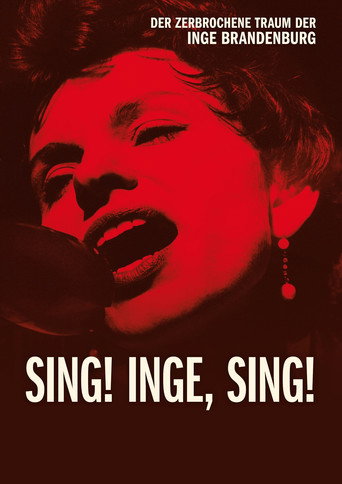
In Germany, jazz had a voice: Inge Brandenburg. This is the story of a woman in the 1950s and 1960s, when there was no place in Germany for self-assured women with international aspirations, a dramatic performance style and an emancipated attitude to love.
Pop star Peggy March visits the cosmopolitan city within its western districts and talks about her life in the USA and Germany in equal measure, while the greatest hits of her career come to life within the city!
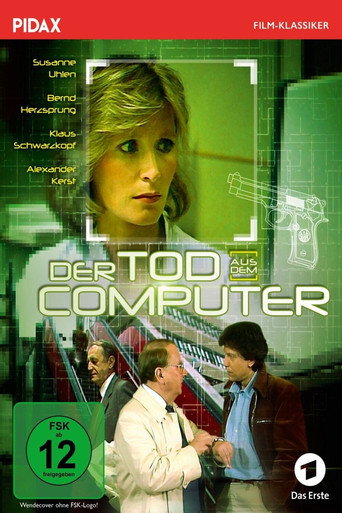
Two shots ring out in front of a high-rise building. Mrs. Hasperg is fatally wounded. Her husband, a lawyer, assumes that she was the victim of mistaken identity. The lawyer suspects that a political organization is behind the crime. The names of those who ordered the killing are said to be stored in a secret database.
A wallet follows the financial weal and woe of an average (West) Berlin family of three on an average income. A cheerful, satirical look at everyday life in 1960, the Schulze family lives in an apartment building somewhere in (West) Berlin in 1960, with father Erwin, mother Dorette, their adolescent son Männekin and dog "Nauke". A small family in which, as in all families, there is sometimes more, sometimes less harmony. Money is always a point of discussion. When Erwin brings it home at the end of the month, Dorette divides it up precisely for the coming month in a recurring ritual.
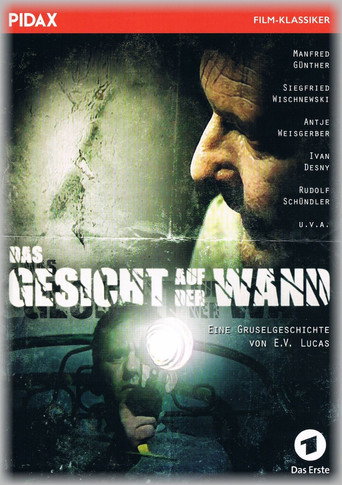
It is an eerie, cold evening, with the wind whistling through the trees. In a remote pub, a few people have gathered around a single candle and are telling each other scary stories. A man from the next table joins them and tells them about a mysterious apparition. An eerie face regularly appears on the wall of his room, giving him the creeps. The stranger recounts in detail how this gruesome occurrence is bringing him to the brink of a nervous breakdown. Whose face is it? Is it that of a dead person?