Didier Sandre Movies, TV Shows, and Filmography
Didier Sandre
Acting
Biography
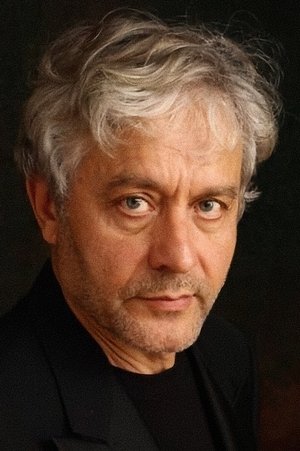
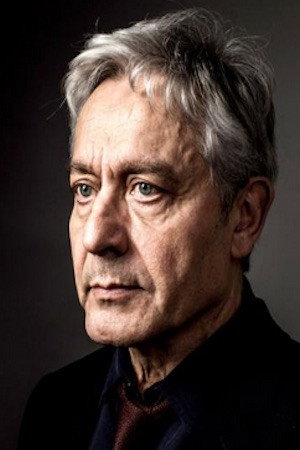
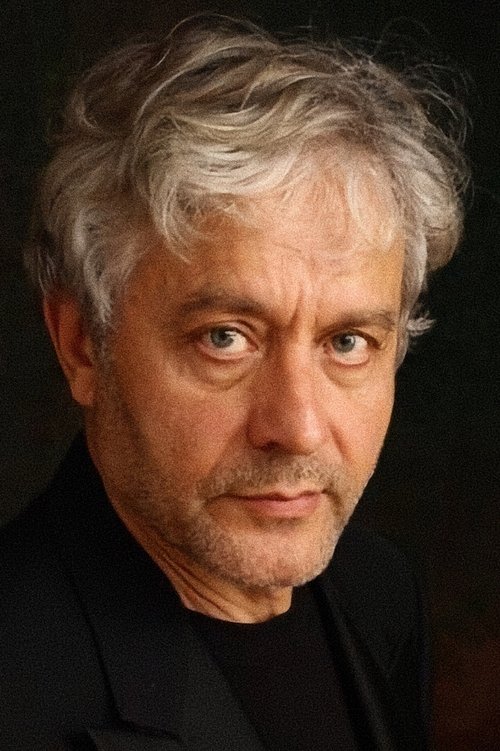
Didier Maffre, known professionally as Didier Sandre, is a French actor and stage director born in Paris on 17 August 1946 and appointed sociétaire of the Comédie‑Française in 2020. He made his debut in 1968 in Paul Claudel’s L’Échange and, from the 1970s onward, became a prominent figure in public theatre, collaborating with major directors such as Catherine Dasté, Bernard Sobel, Jorge Lavelli, Patrice Chéreau, Giorgio Strehler, Luc Bondy, and Antoine Vitez. Alongside this, he has appeared regularly in private‑theatre productions, including works by Claudel, Anouilh, Rampal, and Margulies. His stage career includes notable performances in Bérénice (directed by Lambert Wilson), Le Laboureur de Bohême (Christian Schiaretti), and Monsieur chasse! by Feydeau. He joined the Comédie‑Française in 2013 and became a full member in 2020. Sandre has also worked extensively in film and television, appearing in Pascale Ferran’s Petits Arrangements avec les morts, Éric Rohmer’s Autumn Tale, Abraham Segal’s Le Mystère Paul, and Mikhaël Hers’s Memory Lane. On television, he has acted in numerous dramas, including Saint‑Germain ou la Négociation, Le Sang noir, and notably portrayed Louis XIV in Nina Companeez’s L’Allée du Roi and the Baron de Charlus in her adaptation of In Search of Lost Time. A frequent narrator in concert settings, he has performed in major repertoire works by Stravinsky, Debussy, Beethoven, Honegger, Haydn, Prokofiev, Grieg, Poulenc, and others, collaborating with leading orchestras, conductors such as Pierre Boulez and Myung‑Whun Chung, and renowned soloists including Alexandre Tharaud, Abdel Rahman El Bacha, and Emmanuelle Bertrand.
Filmography Movies
Acting

A Tale of Autumn
Magali, forty-something, is a winemaker and a widow: she loves her work but feels lonely. Her friends Rosine and Isabelle both want secretly to find a husband for Magali.
Not My Type
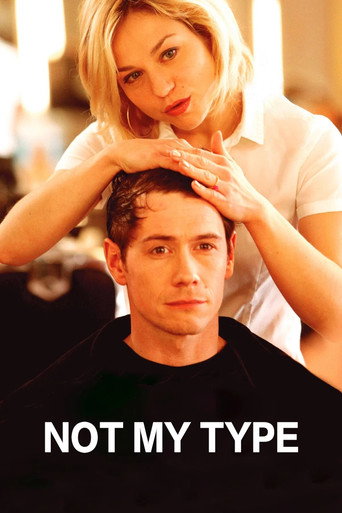
Clement, a young philosophy teacher, is sent to Arras for a year. He meets Jennifer, a pretty hair stylist, and the two freely share their hearts and bodies as they try to overcome the cultural and social divide between them.
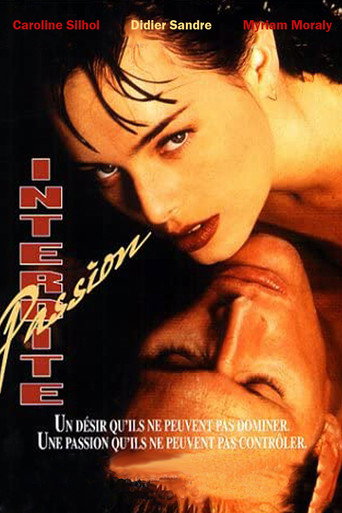
Passion interdite
A father falls in love with his teen daughter's friend. A passion against conventions which will carry them away in a whirlwind of sensations where love finds itself confronted despite everything else with reason and social decency.

The Passengers of the Night
On election night in 1981, celebrations spill out onto the street and there is an air of hope and change throughout Paris. But for Elisabeth, her marriage is coming to an end and she will now have to support herself and her two teenage children. She finds work at a late-night radio show and encounters a troubled teenager named Talulah whom she invites into her home.

Hell
Hell is a rich girl from Paris’ posh neighbourhoods living in the fast lane to compensate the void of her life: sex, drugs & rock’ n’ roll. She meets her male counterpart in the person of Andrea, a seductive young man, and they both fall madly in love.
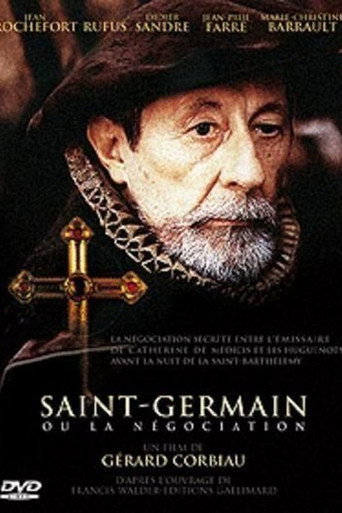
Saint-Germain ou La négociation
This is the TV adaptation of a novel by Francis Walder. The scene happens in 1570, during the religions wars between catholics and protestants in France. Both sides are decided for a truth, to enable peaceful negociations of a settlement, which will become the peace of Saint-Germain-en-Laye, the same year. The negociation, lead by Henri de Malassise (Jean Rochefort), and the Earl of Biron for the Catholic side, and Mr. d'Ublé and M. de Mélynes for the protestants side.
Hell Train
Hell Train is a French film based on a true story. One evening at a ball in a small town, a fight breaks out in an atmosphere tinged with racism. Three of the ringleaders end up at the police station. The next day, November 14, 1983, on the Bordeaux-Ventimiglia train, the three men who were candidates for enlistment in the Foreign Legion beat Habib Grimzi, a 26-year-old Algerian, before throwing him out of a window. A young woman, who witnessed the murder, alerted the police. The investigation begins in a climate of extreme tension. In the city, provocations and attacks are increasing...
Coming to Terms with the Dead
It’s summer, on the beach of this little town in Brittany, a man is building a sand castle. A few people watch him. We will be told the story of three of them: a boy, Jumbo, aged 9; François and his sister Zaza. All of them had to deal with the death of somebody they cherished.
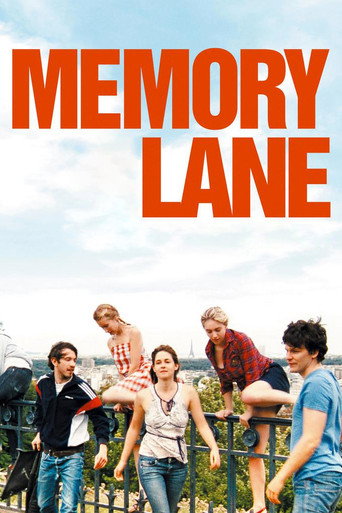
Memory Lane
August in Paris' suburbs, seven friends are gathered to spend a week in the city where they grew up. The city is empty and the days pass by under a deep blue sky. Each of them has a reason to be there: some still live there, some come back to see their family, some are searching their childhood, some want to escape boredom or eventually searching for love. They are all bearing the fact that these moments they are sharing are maybe the last ones.
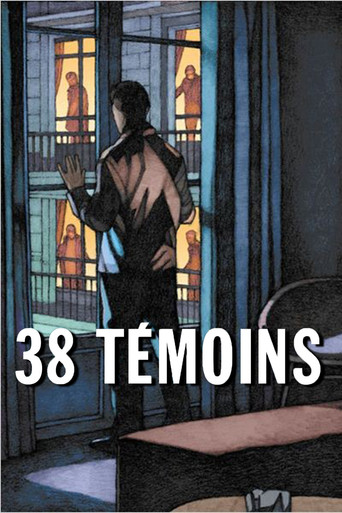
One Night
In the harbor city of Le Havre, France, a woman is stabbed during the night, just below the windows of her neighborhood. Pierre (Yvan Attal) has witnessed the murder, and heard the wails of the women crying for help. So have the neighbors, certainly. But at the end, nobody called the police. Nevertheless, sorrows are too heavy for Pierre, which feel the needs to tell everything to his wife (Sophie Quinton), and to the police. During the investigation, it appears that 38 people witnessed the murdering, and none reacted...
Gallery