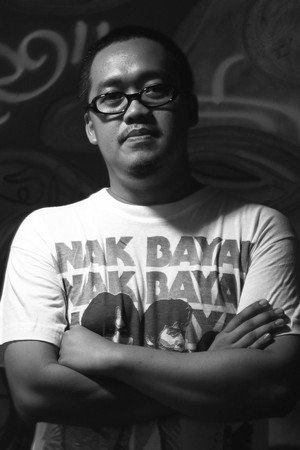
Dennis Empalmado Movies, TV Shows, and Filmography
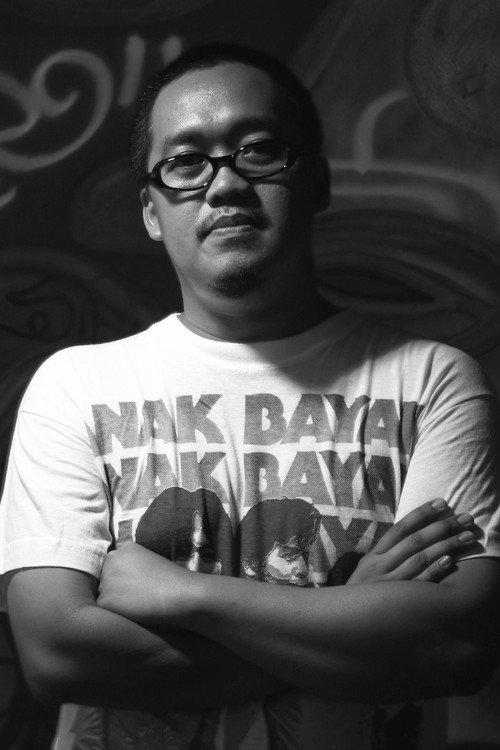
Dennis Empalmado
Directing
Biography
Dennis Empalmado studied filmmaking at the MOWELFUND FILM INST. His work experience runs the gamut from sounds recordist/sound designer to writer/director of short, feauture length films and documentaries. His work is influenced by Filipino counterculture of the 1970s and 1980s. His current works were screened at local and international film festivals. He has also worked with some notable independent and mainstream film makers and film scholar at GOETHE-INSTITUT (German Cultural Center). Dennis Empalmado was born and raised in San Pablo City, Laguna, Philippines where he currently resides with his wife and two sons. One of his advocacies is to impart film knowledge and incline people who aspire to be filmmakers. With that in mind, together with his colleagues they established Sineuna, a film community based in San Pablo City.
Filmography Movies
Acting
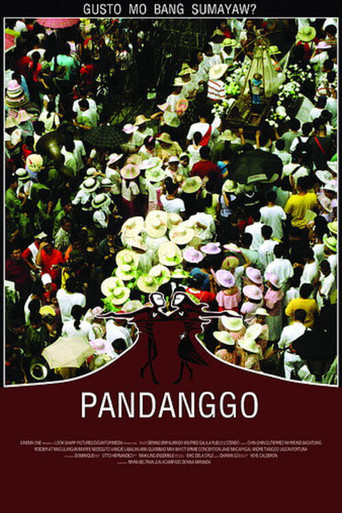
Pandanggo
Pandanggo has three stories with parallel themes converging in one event, the Kasilonawan Festival in Obando: a career woman learning to dance tango who is torn between her dance partner and live-in partner has to choose the man who will satisfy her dream of raising a family; a wife whose wish to conceive a baby boy to make her husband happy brings her feet to the festival, but fate has other plans of bringing the child into her life; and a modern woman who, amidst her medical condition that might render her childless for the rest of her life, finds connection with an ancient lore about fertility.
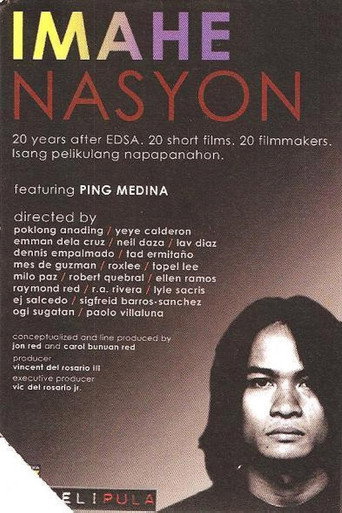
Image Nation
Imahe Nasyon is a groundbreaking, conceptual omnibus film by 20 alternative filmmakers who were tasked to present their personal visions on national issues. Renowned line producers Jon and Carol Red hatched the idea of revisiting the 1986 EDSA revolution, challenging directors to answer the question "What happened after 1986?" with a short film not longer than five minutes each. Despite individual techniques, the same goal is shared: to depict a truthful image of the nation at present.
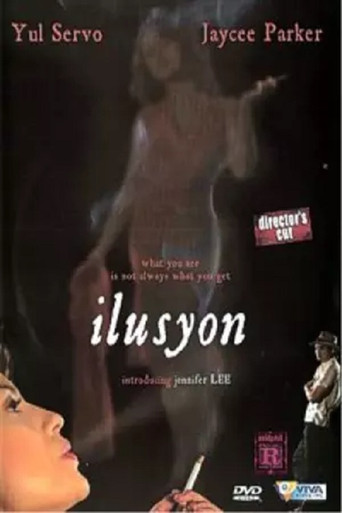
Ilusyon
Set in Philippine post-American colonialist era, where the American influence was still apparent, Ilusyon tells the story of Miguel, a young man from the countryside, who decides to visit his father, Pablo, a Modernist painter in Manila. Upon his arrival, he discovers that his father has decided to leave for the province but he opted to stay in Manila for a vacation. One day, he meets Stella, a nude model originally scheduled to pose for Miguel's father. Struck by her beauty, Miguel does the unthinkable - he pretends to be his father the painter. Developing a relationship based on a lie, things turn for the worse as Stella begets a strange skin disease that turns off Miguel. Surrounded by strange characters - a talking cow, a talkative mailman and a nosy landlady - Miguel is driven into a frenzy realization about beauty, lust, love and being true to oneself. An ambiguous ending underlines the surreal tone of the film.

If It Gets Dark
As Angelo and his friends struggle to find self validation through music and art, his growing obsession with Lelay – a young cashier drives him to withdraw from reality.
If It Gets Dark
As Angelo and his friends struggle to find self validation through music and art, his growing obsession with Lelay – a young cashier drives him to withdraw from reality.
Production
Image Nation
Imahe Nasyon is a groundbreaking, conceptual omnibus film by 20 alternative filmmakers who were tasked to present their personal visions on national issues. Renowned line producers Jon and Carol Red hatched the idea of revisiting the 1986 EDSA revolution, challenging directors to answer the question "What happened after 1986?" with a short film not longer than five minutes each. Despite individual techniques, the same goal is shared: to depict a truthful image of the nation at present.
Image Nation
Imahe Nasyon is a groundbreaking, conceptual omnibus film by 20 alternative filmmakers who were tasked to present their personal visions on national issues. Renowned line producers Jon and Carol Red hatched the idea of revisiting the 1986 EDSA revolution, challenging directors to answer the question "What happened after 1986?" with a short film not longer than five minutes each. Despite individual techniques, the same goal is shared: to depict a truthful image of the nation at present.
Pandanggo
Pandanggo has three stories with parallel themes converging in one event, the Kasilonawan Festival in Obando: a career woman learning to dance tango who is torn between her dance partner and live-in partner has to choose the man who will satisfy her dream of raising a family; a wife whose wish to conceive a baby boy to make her husband happy brings her feet to the festival, but fate has other plans of bringing the child into her life; and a modern woman who, amidst her medical condition that might render her childless for the rest of her life, finds connection with an ancient lore about fertility.
Pandanggo
Pandanggo has three stories with parallel themes converging in one event, the Kasilonawan Festival in Obando: a career woman learning to dance tango who is torn between her dance partner and live-in partner has to choose the man who will satisfy her dream of raising a family; a wife whose wish to conceive a baby boy to make her husband happy brings her feet to the festival, but fate has other plans of bringing the child into her life; and a modern woman who, amidst her medical condition that might render her childless for the rest of her life, finds connection with an ancient lore about fertility.

Entity
An agent partners with the heiress of a Japanese crime syndicate to put an end to the centuries-old curse that could be responsible for the spate of serial murders taking place in Manila.
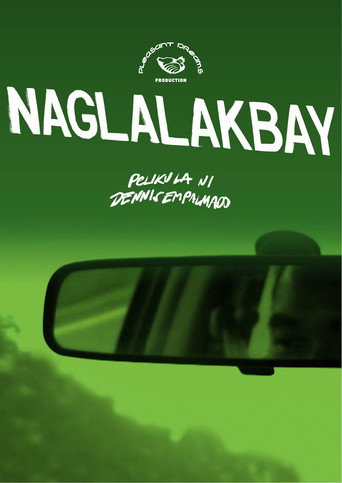
Travelers
The diaspora of Filipinos around the globe is driven mostly by the economics of supply and demand. The yearning for something better, stability, and self-validation leads a handful of sojourners from the provinces of the Philippines into the arms of one of its former colonial masters — the USA. But what happens when they finally get what they want? And how? Filmmaker Dennis Empalmado explores the musings of Filipino expatriates and hopeful immigrants in "Naglalakbay" (Travelers).
Travelers
The diaspora of Filipinos around the globe is driven mostly by the economics of supply and demand. The yearning for something better, stability, and self-validation leads a handful of sojourners from the provinces of the Philippines into the arms of one of its former colonial masters — the USA. But what happens when they finally get what they want? And how? Filmmaker Dennis Empalmado explores the musings of Filipino expatriates and hopeful immigrants in "Naglalakbay" (Travelers).
Travelers
The diaspora of Filipinos around the globe is driven mostly by the economics of supply and demand. The yearning for something better, stability, and self-validation leads a handful of sojourners from the provinces of the Philippines into the arms of one of its former colonial masters — the USA. But what happens when they finally get what they want? And how? Filmmaker Dennis Empalmado explores the musings of Filipino expatriates and hopeful immigrants in "Naglalakbay" (Travelers).
Travelers
The diaspora of Filipinos around the globe is driven mostly by the economics of supply and demand. The yearning for something better, stability, and self-validation leads a handful of sojourners from the provinces of the Philippines into the arms of one of its former colonial masters — the USA. But what happens when they finally get what they want? And how? Filmmaker Dennis Empalmado explores the musings of Filipino expatriates and hopeful immigrants in "Naglalakbay" (Travelers).
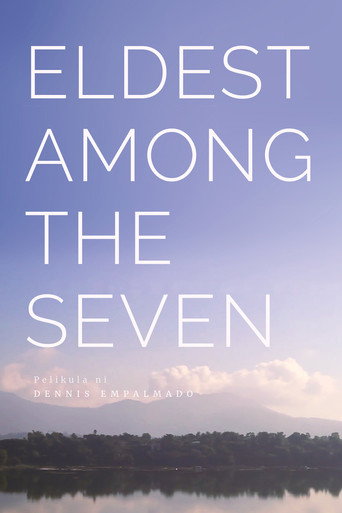
Eldest Among the Seven
Sampaloc Lake - the most prominent of the seven lakes of San Pablo City has provided shelter, employment and inspiration to its immediate community for countless decades. In return, the natural resource suffered from indiscriminate use of the residents themselves and the consequences of rapid urbanization. Recently, the local government have implemented a clearing of all residential structures within the legal easement of the dying lake to pave the way for a tourism master plan that endeavors to balance revenue and environmental protection. In the eve of the clearing operations, film maker Dennis Empalmado documented the final musings of the residents, advocates, and artists whose lives revolved around the 99 hectare crater lake.
Gallery