Acting
No biography available.
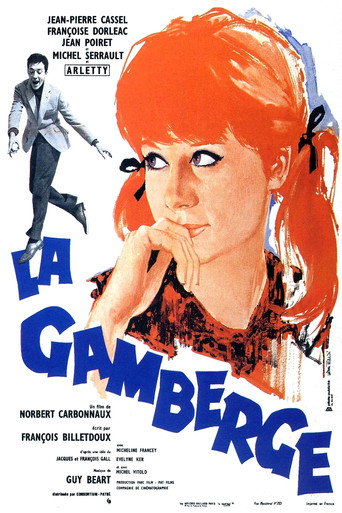
The Dance is a 1962 French comedy film directed by Norbert Carbonnaux and starring Jean-Pierre Cassel, Françoise Dorléac and Arletty. The film is based on the French comic strip 13 rue de l'Espoir.
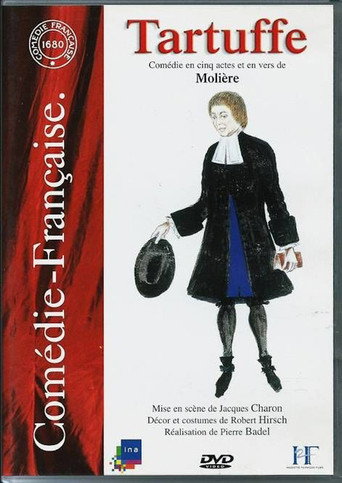
A filmed version of Molière's play.
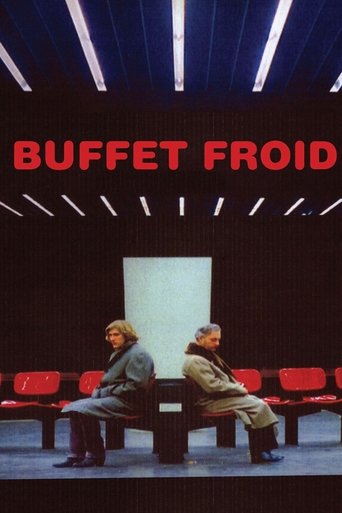
Alphonse Tram is unwittingly involved in several murders despite having no memory of committing the crimes. His confusion lead him to confess to his neighbour, Inspector Morvandieu. Alphonse and Morvandieu become the axis around which murders occur.
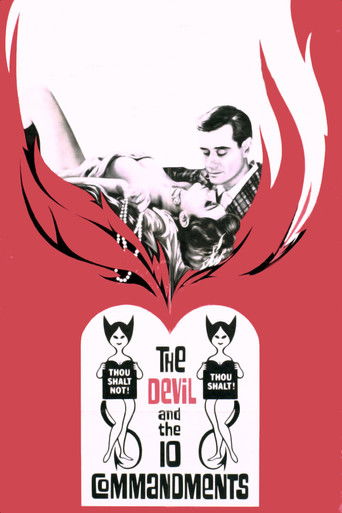
The film consists of seven roughly 15 minute episodes, each showing what will happen if one or more of the Ten Commandments will be broken: Jérome Chambard is warned that he will lose his job if he continues to swear; Françoise Beaufort enamored of a stripper calls on her only to find her married to a janitor who doesn't know what kind of dancing his wife performs; Denis, a Jesuit novice, leaves the order to avenge his sister's suicide, which was provoked by Garigny, who seduced her into prostitution and drug addiction; Philip buys a necklace for Micheline though he is bored with her; a young man find out that his real mother is not Madeleine, but actress Clarisse Ardant; Didier Marin, cashier of a bank, was fired by his boss; the Devil appears as a serpent for Jérome Chambard and the bishop are eating.
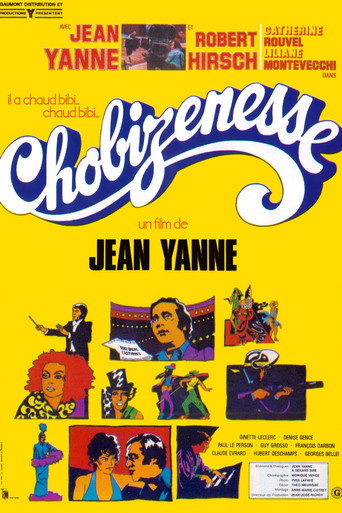
Clement Mastard is the head of a leading journal dedicated to extravagant vaudeville. An unexpected contract requires him to reconnect with his former headliner Celia Bergson part to try to avant-garde theater. It is through this that he met Johann Sebastian Bloch, misunderstood musician who cause the loss but the side which Mastard, the man without scruples, to humanize and eventually produce a real masterpiece, the Missa Solemnis
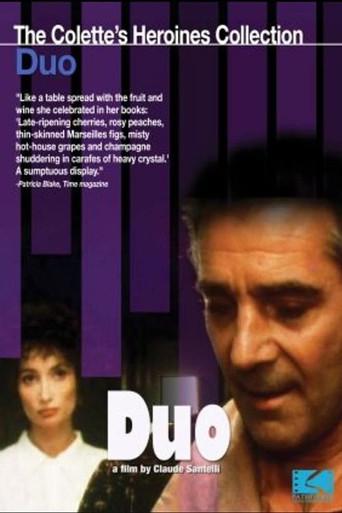
A couple who appears to have the perfect relationship finds their future in jeopardy following a scorching night of lust and debauchery in this erotic drama adapted from the controversial novel by French author Colette.
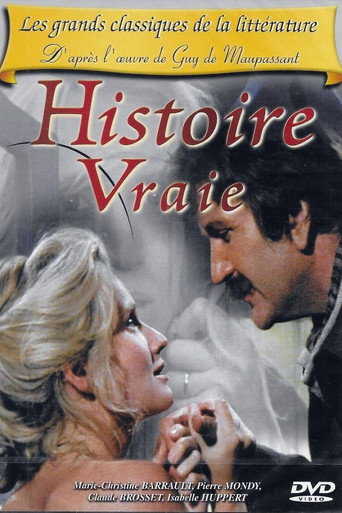
A servant girl, given in marriage when she turns out to be pregnant, can't bring herself to live away from her master.
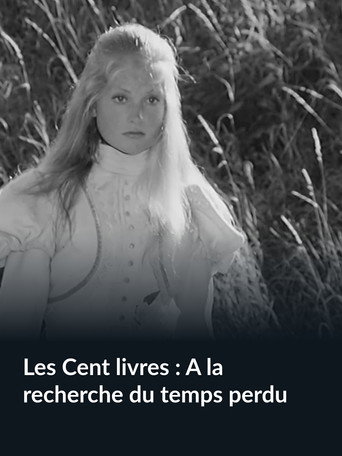
An evocation, realistic and poetic at the same time, of Proust's work " in which he is locked up as in the room ". Halfway between the audiovisual adaptation and the portrait of the dandy and reclusive writer, all in black and white signed Claude Santelli, evoking the mystery, the intimate, and the fatality of existence.
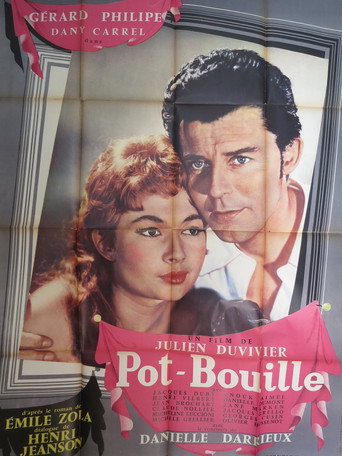
Young, handsome, dashing but cynical, Octave Mouret arrives in Paris, determined to conquer the belles of the capital.