Production
No biography available.
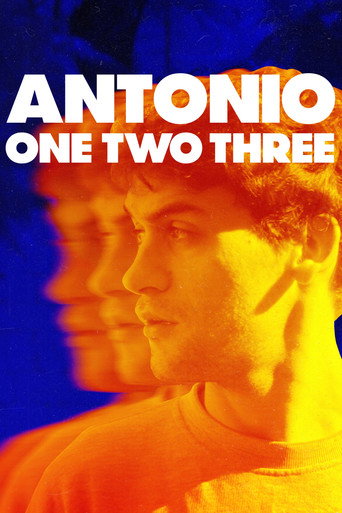
Antonio runs away from home and tries to spend the night at his ex-girlfriend's apartment. There he finds a brazilian girl, an unexpected guest. Johnny is struggling to stage his first theater play in Lisbon. His friendship with the young light technician will make him face his real problems. Débora is passing by, finally returning home. When she goes to the theater, she falls asleep, and is awaken by the protagonist. Three dimensions of the same story.
A close look at nature.
Jair’s courtship is over.
For Dreaming the Dark: hands that see, eyes that touch, Ana Vaz invited artists and filmmakers whose work trust cinema’s capacity to transform relationships between the body and the camera to propose works that will engage with both perception and embodiment. Could cinema be an art of embodiment? By what rituals and actions could vision become tactile?
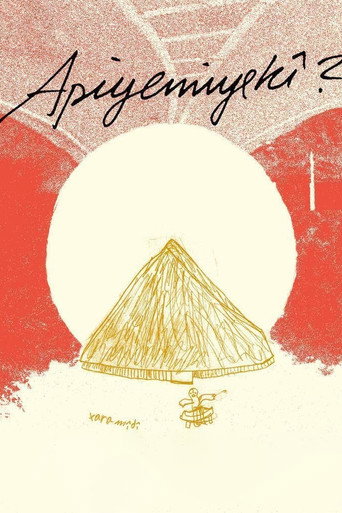
Apiyemiyekî? addresses the genocide of the Waimiri-Atroari people in 1970s, when during the Brazilian dictatorship indigenous lands in the mid-west were invaded for the construction of the national road BR-174 and the installation of a mining company. Illustrations about the period, created by the indigenous population, including children, reveal a traumatic history, referring us to the present day.
Taking its title from the poem by Wallace Stevens, the film is composed of a series of attempts at looking and being looked at. Beginning as a city state commission under the name and attitude of “Unschool”, the film became a kaleidoscope of the experiences, questions and wonders of a couple of high school students after a year of experiences with filmmaker Ana Vaz questioning what cinema can be. Here, the camera becomes an instrument of inquiry, a pencil, a song.
Mal di mare is a gasp of air, a shout sung in waves moving through a body nauseated by the confrontation with the violence of the ever swirling world. This improvised singing tries to break the invisible glass that separates the gaze and the realities of those who can observe from afar and those who are observed, but who are mostly prevented from returning such gaze. Who/what’s missing in the room? The film was shot during the 2019 Venice Biennale and built around a performing action carried out by the filmmaker himself in the exhibition space.
“Look closely at the mountains!”: the phrase was coined by artist Manfredo de Souzanetto during Brazil’s years of dictatorhsip. Mining activities were destroying the environment in the state of Minas Gerais in the south west of the country. Through editing, Ana Vaz draws parallels between this region and the very distant Nord-Pas-de-Calais in northern France, also marked by over three centuries of mining. On one side, eroded mountains plague its inhabitants with deadly landslides. Hollow and gutted, these mountains become the receptacles of a ghostly memory. On the other side, in France, mining waste stacks become mountains and reservoirs of biodiversity, where the frontier between nature and technology is now indiscernible.