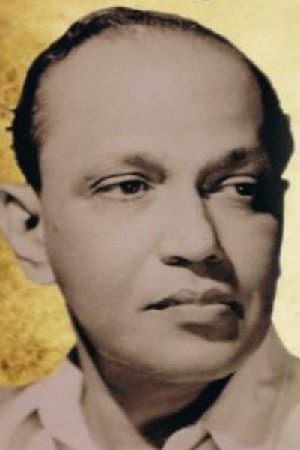
Debaki Bose Movies, TV Shows, and Filmography
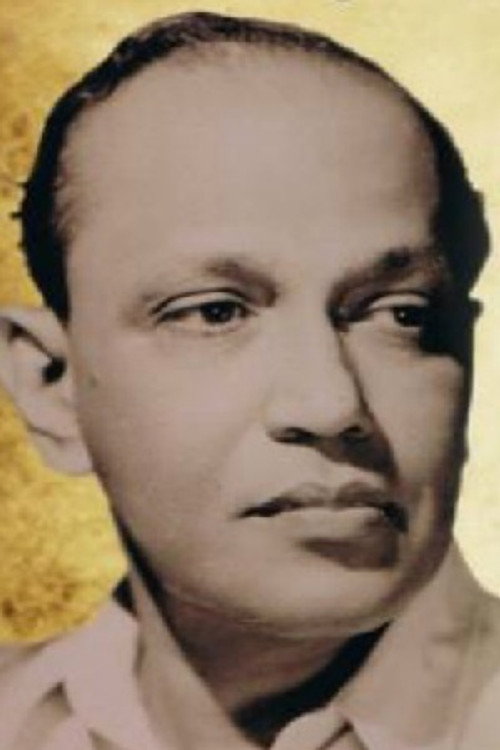
Debaki Bose
Directing
Biography
Debaki Kumar Bose was an Indian director, writer, and actor who is recognized for his contribution in Hindi as well as Bengali cinema. He is known for his innovative use of sound and music in Indian Cinema. He worked first under the banner of British Dominion Films of Dhiren Ganguly and later with Pramathesh Barua's Barua Pictures and finally he joined New Theatres banner in 1932. He started his own production company, Debaki Productions, in 1945. Chandidas (1932), directed by him, contained background music for the first time in Indian Cinema. Raichand Boral, also known as R.C. Boral was the music director. Seeta (1934), made under the banner of East India Film Company, was the first Indian talkie shown in any international film festival. It was shown in Venice Film Festival, where it won an Honorary Diploma. He was the 1st Indian director to receive any international award. Sagar Sangamey (1959) was nominated for Golden Bear at the 9th Berlinale International Film Festival (1959). This film got National Film Award for Best Feature Film at the 6th National Film Awards ceremony in 1959. Arghya (1961) was a very special documentary film, produced by the Government of West Bengal on the occasion of Rabindranath Tagore's birth centennial. It was based on four poems of Tagore: Pujarini, Puratan Bhritya, Abhisar and Dui Bigha Jami. He received Sangeet Natak Akademi Award for Film Direction in 1957. He received Padma Shri in Arts in 1958. His grandson was Kunal Mitra and great great grandson is Suvranil Singha Chowdhury.
Filmography Movies
Production
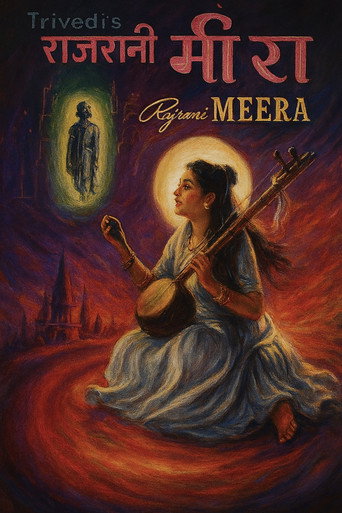
Rajrani Meera
Meera is immersed in her love and devotion to Lord Krishna since a young age. When she grows older, her family get her married to the Rana of Mewar. Misunderstandings occur when her devotional poetry is thought to be love songs for someone. Several hardships are inflicted on her by her husband and her in-laws. She takes to sitting in the temple and singing bhajans (sacred songs) composed by her. Her brother-in-law tries to have her killed many times, but fails. She finally renounces her life in the palace and wanders from place to place singing devotional songs.
The Devoted
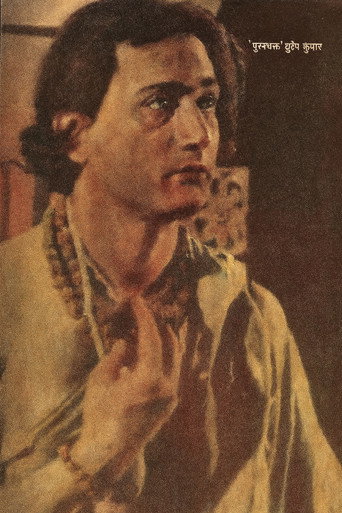
The legend of Prince Puran, born under King Silwan of Sialkot's curse which binds his parents never to set eyes on him until he is 16. Accused of leading a debauched life by an evil general and by the king's second wife, Puran is sentenced to death. Rescued by the mystic Gorakhnath, he becomes an ascetic. When the king is overthrown, Purna rises from his meditations to depose the general who has seized power, before returning to his life of renunciation.
Inquilab
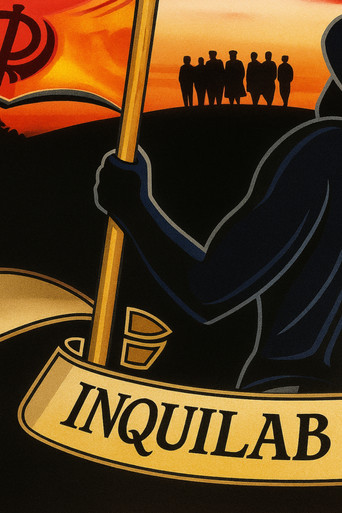
A drama set amid an earthquake in Bihar. Miss Renee (Khote) looks after the victims while her lover, the businessman Sardar (Mohanned), wants to make money from the disaster.
Inquilab
A drama set amid an earthquake in Bihar. Miss Renee (Khote) looks after the victims while her lover, the businessman Sardar (Mohanned), wants to make money from the disaster.
Inquilab
A drama set amid an earthquake in Bihar. Miss Renee (Khote) looks after the victims while her lover, the businessman Sardar (Mohanned), wants to make money from the disaster.
The Holy Island
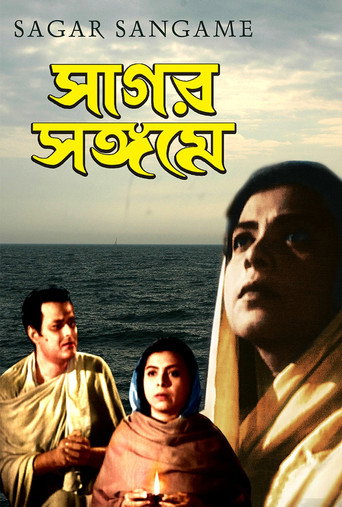
The story of a relationship between a wealthy widow and a frivolous young girl.
Seeta
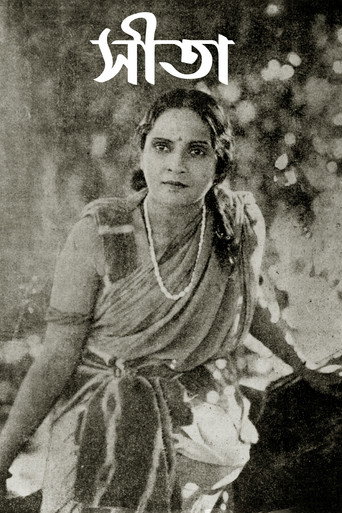
Seeta was a 1933 Indian talkie Bengali film, directed by Debaki Bose and produced by the East India Film Company.[1] It won an honorary diploma in the 2nd Venice International Film Festival in 1934, becoming the first Indian talkie to be shown at an international film festival.
The Holy Island
The story of a relationship between a wealthy widow and a frivolous young girl.
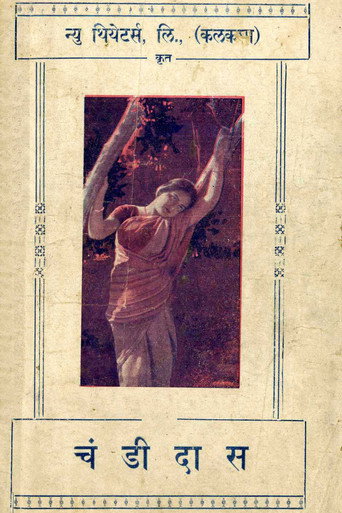
Chandidas
This film is about Chandidas, a legendary 15th-C. Bengali Vaishnavite poet whose biography remains obscure but was an influence on the better documented Chaitanya (1486-1533), a school teacher who promoted the Vaishnavite ideology in Bengal, mostly through hymns about the Radha-Krishna legend.
Chaitanya : devotee of Krishna
The story of Shri Chaitanya Mahaprabhu .
Gallery