Dayahang Rai Movies, TV Shows, and Filmography

Dayahang Rai
Acting
Biography
Dayahang Rai is a cornerstone of modern Nepali cinema, often credited with shifting the industry away from stereotypical hero tropes toward nuanced, character-driven storytelling. A proud representative of the indigenous Rai community, he brought his extensive background in theatre specifically from the renowned Gurukul: School of Theatre to the silver screen, debuting in the film Anagarik in 2006. However, it was his breakout role Gopal in the 2012 blockbuster Loot that transformed him into a national phenomenon. This role, along with his performance in the Kabaddi franchise, cemented his reputation for portraying the "common man" with a blend of dry humor and deep emotional resonance. Throughout his prolific career, Dayahang has demonstrated remarkable range, moving seamlessly between mainstream hits and artistic, independent projects. His collaboration with director Nischal Basnet and his work in films like White Sun (Seto Surya) with Deepak Rauniyar— which gained international acclaim at the Venice Film Festival—showcase his commitment to elevating Nepali cinema on the global stage. Beyond his acting prowess, he is a dedicated mentor to young artists and continues to be involved in the theatre scene through Mandala Theatre, which he co-founded. In his personal life, he is married to Benuka Rai, and together they have a son, Samduhang Rai. His journey from a small village in Bhojpur to becoming a multiple National Award winner remains an inspiring blueprint for aspiring actors across the Himalayas.
Filmography Movies
Acting

Ke Ghar Ke Dera
Ke Ghar Ke Dera is a comedy-drama film directed by Dipendra K. Khanal and written by Singhe Lama and Mahesh Dawadi. The film is produced by Sharad Shrestha, Rajeeb Shrestha, Kiran Maharjan under the banner of A Plus Entertainment.
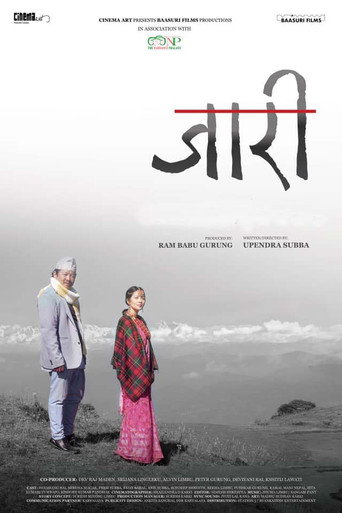
Jaari
The central characters of Jaari are Namsang and Hangma, a married Limbu couple. After a brief argument with her spouse Namsang, Hangma chooses to leave him by giving back his Yuparung (a sacred coin). She then marries a different man after falling in love with him. The jaari is claimed by Namsang and his family, but Hangma’s family refuses to pay, forcing Hangma into slavery in Namsang’s household until the jaari is paid.
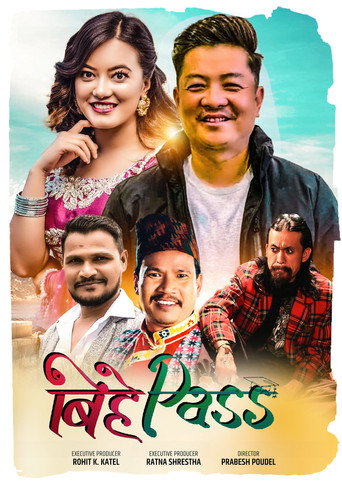
Bihe Pass
When a shady married man is caught in the illegal act by his wife's father, a government official, he must pass the Public Service Commission exam or risk losing his wife.

Four Nights
Ram and Maya move thousands of miles from their home in Nepal in hopes of realizing their dream in New York City. As Ram works to finish his feature film, Maya receives a job offer that puts a strain on their relationship and calls into question what they are willing to sacrifice to maintain the lifestyle of international filmmakers.
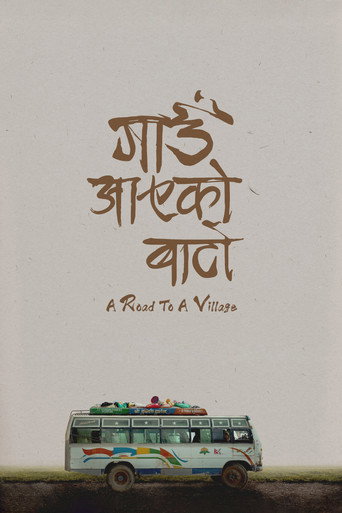
A Road to a Village
Maila, a basket weaver, his wife Maile, and seven-year-old son Bindray live a simple village life in the mountainous region of eastern Nepal. When a road to their village is finally built, they see it as a blessing. Soon, along with the first bus, soda, television, and hip hop beats arrive. But as modern amenities creep in, Maila's life begins to unravel. He's trapped between sticking to tradition at home or going beyond the village to survive.Meanwhile Bindray uses his resourcefulness to get closer to the gifts the the new road brings. Ultimately Maila and Maile must figure out how to continue in a world that is leaving them behind.
Highway
Five different relationship stories become connected during an ill-fated bus journey from eastern Nepal to the capital, Kathmandu.
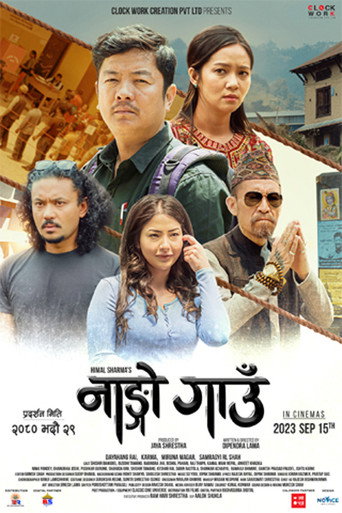
Nango Gaun
When an honest teacher, Pasang, makes an effort to improve the government school in his village, a situation arises where he has to face the election of the village. The village chairman Jari challenges him to win the election and show it. Pasang sees the possibility of winning based on the votes of his students, parents and villagers. He concludes that if Jari is defeated, corruption will be eradicated from the village. His wife Nima and his close friends also encourage him to stand for election. He resigns as a school teacher and becomes a candidate for election. And he starts him election campaigning. However, he does not find village politics clean and easy as he thought. His assumption that he will easily win the election proves to be wrong.
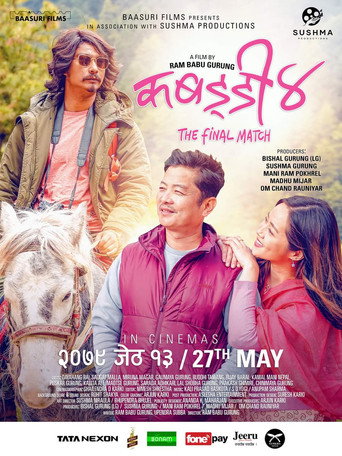
Kabaddi 4: The Final Match
After the events of Kabaddi 3, Kaji no longer seeks love as he suffers from the pain of his previous relationships.

Bhaire
Two friends set out on a journey to find their long-lost childhood friend on behalf of his 84-year-old dying father. Along the journey, everyone goes through innumerable highs and lows defining love, struggle, care, conflict, and hope.

Bhuthan – The World’s Happiest Man
Bhutan: The World’s Happiest Man tells the story of Mr. Bishnu, an aging Bhutanese-American in Ohio, who dreams of returning to his homeland. After his unexpected death, his family faces a conflict over his final resting place, torn between past memories and present realities. This emotional drama explores themes of love, loss, and the search for belonging.
Gallery