Acting
No biography available.
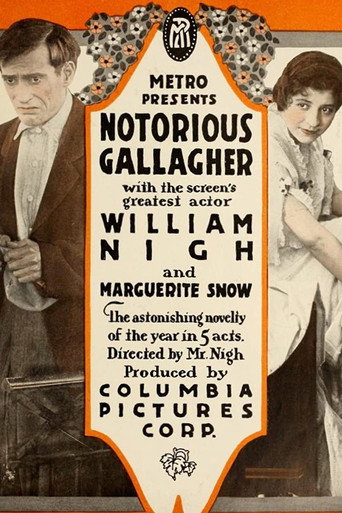
"Buttsy" Gallagher is a harmless young product of the slums. In all his life he has never been of the slightest importance. His spirit is so submerged that he has almost forgotten how to get angry. One night the gaiety going on in Judge Winters' home attracts him, and he crouches on the fire-escape to watch it. He becomes interested in the Judge, in his pretty daughter Peggy, in her cousin Flo, in Flo's admirer, the Count, and in Bob Ewing, a struggling young lawyer.
The story concerns the love of Henry Little for Grace Carden and its reciprocal sentiment, with the time-honored interference of those who attempt to arrange the affairs of Cupid to suit social exigencies.
A girl, beautiful but heartless and ambitious, was the daughter of a poor miner and was devotedly loved by a man in her own station of life. She accepted his attentions willingly until a young engineer came along and paid court to her. She then dismissed her first suitor. Her father made a lucky strike, and they moved to the city to enjoy their wealth. This sealed the fate of the second suitor for a rich man became smitten with the girl and she accepted his advances. Perhaps she would have married him in time had it not been that she aroused the enmity of an old witch, deeply skilled in magic.
: Count Eberhard von Alderstein was one of the robber barons who flourished in Europe during the Middle Ages. He was cruel and lawless, plundered the merchants who passed his castle, and cared for no one, except his little sister, Ermyntrude.
Dr. Mureaux, a widower, has an only daughter, Ruth. One night when her father is away, a burglar breaks into the house. Ruth displays great courage, winning the admiration of the intruder. She questions him about his mode of living and finally induces the man to promise that he will return in a few days when she will do all in her power to get him an honest job.
A young girl, who had talent as a violinist, came to New York determined to win fame on the concert stage. She found the field overcrowded, but accepted an engagement as violin soloist in a cabaret restaurant. She was pretty and her playing pleased the patrons of the place. One evening a roughly dressed man came into the restaurant. His attire was in sharp contrast to the foppish men in evening dress who were languidly eating their meals. When the young violinist made her appearance the countryman showed by his manner that she had made a deep impression upon him.
Marian Delmar, whose father has died without an estate, believes he has left her a settlement. The film follows Marian's journey as she navigates this belief and its potential consequences.
A surgical operation transforms a criminal into an honest man
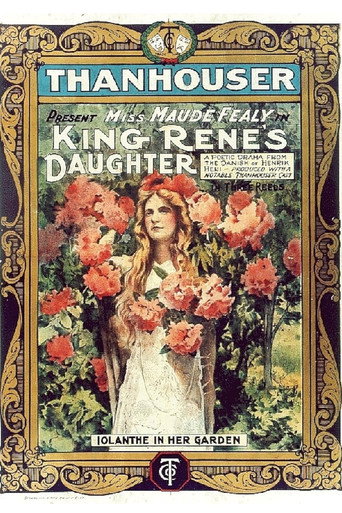
This elaborate and well-staged silent version of Hertz' play is exceedingly well produced for 1913: it starts off by introducing the actors by name and role, then showing them in double exposure in street clothes and in costumes. The production values are also elaborate and the look of the set designs reminds one of the elaborate backdrops that Melies used in his shots.
A silent film drama directed by Carroll Fleming.
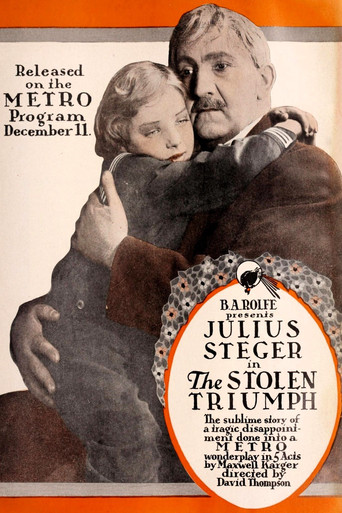
Edwin Rowley is a talented but uncommercial playwright. Stephen Hunt is a successful theatrical manager. Rowley finishes a brilliant play and sends it to Hunt for production. Recognizing it as a masterpiece, Hunt puts his own name on the play and produces it, achieving fame as a playwright. Upon discovery of the theft the shock is too much for Rowley’s wife, who dies. Rowley, devastated, loses his sanity and disappears. Hunt decides to adopt Rowley's orphaned son and raises him as his own. Years later, Rowley, wandering aimlessly, sees a poster advertising his play with his own name on it. This sight brings him back to his senses. Rowley and Hunt are reconciled, and Rowley finally receives public recognition and enjoys his success as the true author of the play.