David Ofek Movies, TV Shows, and Filmography
David Ofek
Directing
Biography
No biography available.
Filmography Movies
Production
The Tale of Nicolai and the Law of Return
As Nicolai watches the end of Communism from his tiny village in deepest Romania, he realises one thing: he must emigrate to find work overseas. Before long he finds himself alongside thousands of other migrant workers in Israel – alone, exploited and far from his pregnant wife. Desperate to better his situation, he escapes and is arrested as an illegal worker, before a chance piece of information transforms everything in ways that he never dreamt possible.

The Barbecue People
A family of Iraqi-Israelis, each with his or her own weaknesses and determination, gathers for an Independence Day picnic. Their background stories are presented, reaching back as little as a few days or as far back as the War of Independence and the old country before that, and interlocking in ways that even they never realize.
The Barbecue People
A family of Iraqi-Israelis, each with his or her own weaknesses and determination, gathers for an Independence Day picnic. Their background stories are presented, reaching back as little as a few days or as far back as the War of Independence and the old country before that, and interlocking in ways that even they never realize.

Home
David Ofek looks back on the first Gulf War, when he was living with his parents in Ramat Gan, Israel. They are Iraqi Jews. His parents are fascinated with news reports of the bombing of Baghdad. His grandmother comes to stay with them during the SCUD attacks. Wearing gas masks, they sit in a secure room David has rigged. When the all-clear sounds, they look at photo albums. They're visited by David's girlfriend, Eve. They talk politics; grandma disapproves of Eve. Eve leaves for Eilat for respite. David images a life with Eve after the war ends
Home
David Ofek looks back on the first Gulf War, when he was living with his parents in Ramat Gan, Israel. They are Iraqi Jews. His parents are fascinated with news reports of the bombing of Baghdad. His grandmother comes to stay with them during the SCUD attacks. Wearing gas masks, they sit in a secure room David has rigged. When the all-clear sounds, they look at photo albums. They're visited by David's girlfriend, Eve. They talk politics; grandma disapproves of Eve. Eve leaves for Eilat for respite. David images a life with Eve after the war ends
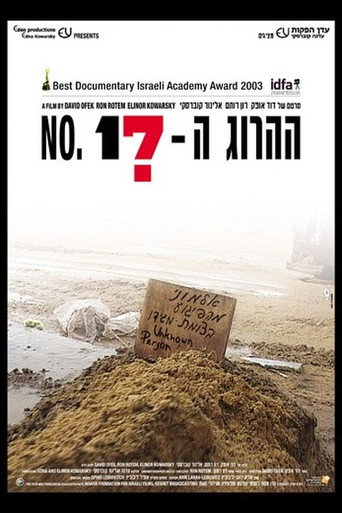
No. 17
In June 2002, a bus on its way from Tel Aviv to Tiberius, was bombed and 17 people were killed. Of the dead, 16 were identified. Number 17 wasn't. The filmmakers document the search to identify the man no one identified as missing.
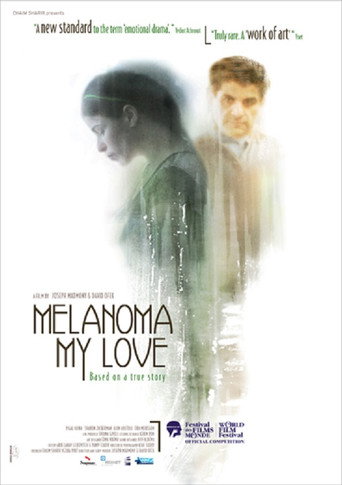
Melanoma ahuvati
Melanoma My Love, smartly and constantly shifting somewhere between documentary and fiction, is a breath-taking drama. The film is based on the true story of the Israeli actor Yigal Adika and his wife Orit, who suffered and died of cancer. Yigal, a personal friend of the directors, plays himself in the film as Uzi and by doing so re-enacts this special period in his life. His wife is a ballet dancer and teacher. She is thirty and has been diagnosed with melanoma. With the help of her husband and doctors, she is able to believe in a favourable outcome and fights her illness to the end. The film closely follows this fight by concentrating on the two loving people, their tender relationship and the effect the situation has on the whole family.
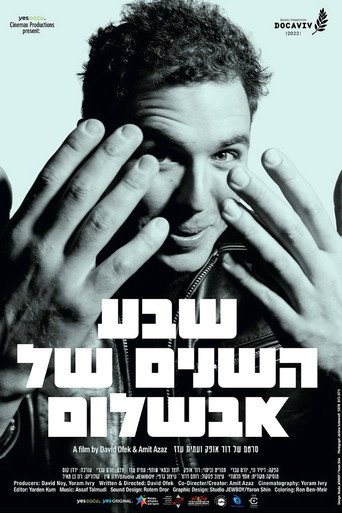
The Seven Years of Absalon
Meir Eshel, a 22-year-old beach-boy from Southern Israel, buys a one-way ticket to Paris and re-invents himself as an artist calling himself Absalon. He quickly rises to art-scene stardom, showcased by the most prestigious museums worldwide: the Venice Bienalle, Centre Pompidou Paris, Tate Modern Gallery London, Israel Museum. Absalon’s success was short-lived – almost 7 years pass since his arrival in Paris until his tragic death, during the peak of his success at the age of 28. More than 25 years later, his younger brother Dani Eshel’s first assignment as estate manager – is to sell Absalon’s final art piece. Through his journey we learn about the life of a unique Israeli artist.

Divorce Denied
No Jewish divorce is complete without the man literally giving the woman her freedom back. With Israel having neither civil marriage nor divorce, women can get trapped. The film follows several such "chained" women together with Batya, a religious lawyer, who embarks on a struggle against the rabbinical courts.
Divorce Denied
No Jewish divorce is complete without the man literally giving the woman her freedom back. With Israel having neither civil marriage nor divorce, women can get trapped. The film follows several such "chained" women together with Batya, a religious lawyer, who embarks on a struggle against the rabbinical courts.