David Novotný Movies, TV Shows, and Filmography
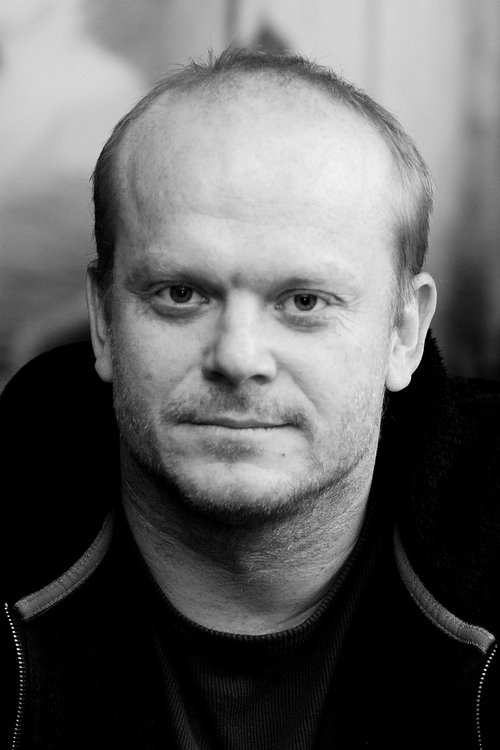
David Novotný
Acting
Biography
No biography available.
Filmography Movies
Acting
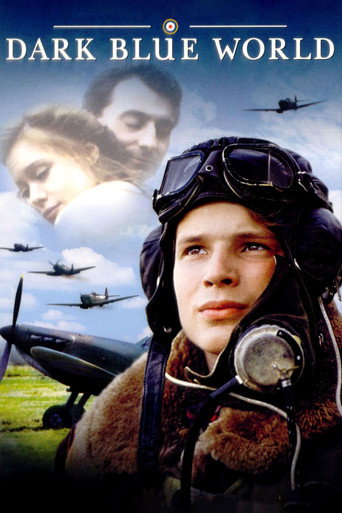
Dark Blue World
Lt. Franta Slama is a top pilot in the Czech Air Force who is assigned to train a promising young flier, Karel Vojtisek, and they soon become friends. When Nazi Germany invades Czechoslovakia in 1939, they both reject the authority of their new leaders and escape to England where they join other Czech exiles in the RAF. While flying a mission over England, Karel crash lands and happens upon the farmhouse of Susan, a young woman whose husband is in the Navy. Karel soon falls head over heels for Susan but, while they enjoy a brief fling, in time Susan decides she prefers the company of the older and more worldly Franta. As Franta and Karel struggle to maintain their friendship despite their romantic rivalry.
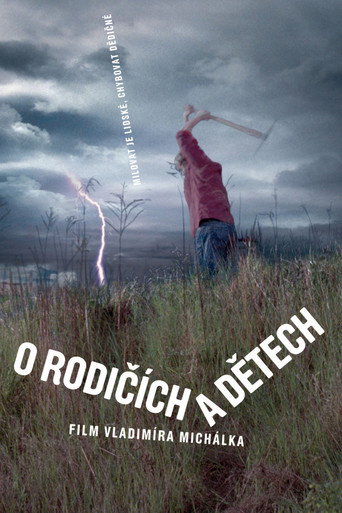
Of Parents and Children
On a walk through Prague, a 40-year-old son's conversations with his septuagenarian father reveal complexities that both strain and sustain their bond.
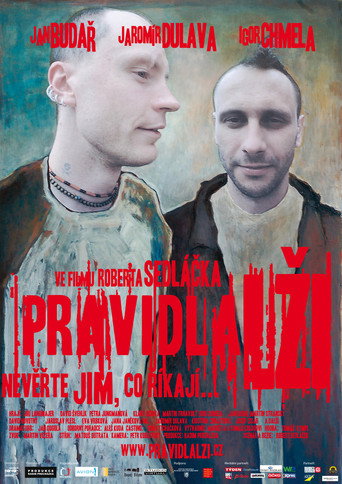
Rules of Lies
33-year-old Roman decides to tackle his drug addiction by undergoing group therapy as part of a community holed up on an isolated farm in the Šumava mountains. Twelve people, men and women of varying ages and social status, voluntarily subject themselves to a tough regime under the supervision of three therapists. Many of them have stared death in the face already – overdoses, suicide attempts, and aggression heightened by the use of hard drugs, outwardly affecting even the strongest of them. Each brings something of his past into the group, which he has to experience again, both for himself and for those assembled. Past anguish, wrongs and guilt give rise to new problems: in this thickening atmosphere of suspicion and lies, who can still be trusted? This intimate psychological drama deliberately sets out to break up the tight narrative form through retrospectives in which we learn about the past life of each individual.
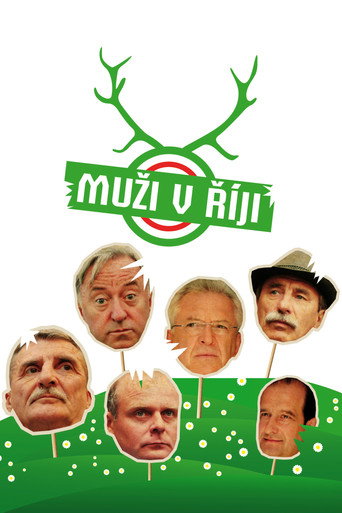
Men in Rut
The story takes place in the small South Moravian village of Mouřínov, where the road ends. The residents long to become a "transit" village, and since there is a champion deer caller among them, they make a great effort to host the European Championship in this unique but interesting discipline. The village is busy with preparations, but that's not all. At the same time, the residents' obvious and unspoken relationships are developing, and just as the preparations affect their lives, their relationships affect the course of the preparations. And one day, the championship finally begins...

Girl America
A little girl and a socialist orphanage. It is a strict children’s institution. How to overcome fears, insecurity and loneliness? To do this, the girl creates another self to talk to and argue with. And, of course, the dream of America where everything is beautiful and good. Where her father lives and waits for her. A girl and her foster family. There’s plenty of everything, but it doesn’t feel right. Emma’s trials don’t end there. Again and again, she must find the strength to hope, the stamina to live.
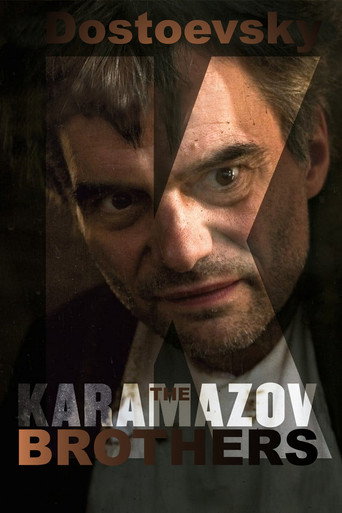
The Karamazov Brothers
Dostoevsky’s latter-day opus about the siblings and their father is among the masterpieces of world literature. It asks profound questions about ethics and religion. Is there a God? Does the devil exist? Is everything allowed because we live in a world without morality? And if so, does patricide even constitute a crime? One of the most interesting adaptations of the material is The Karamazovs by Czech director Petr Zelenka. We witness a group of thesps from Prague on a trip to Krakow in Poland to stage the novel as a play in a derelict steelworks as part of the Closer to Life Festival. The project, however, is born under the bad sign, apparently doomed from the start. When they arrive, the roof is about to cave in, so that the actors are told to wear safety helmets. Their sole consistent audience is a laborer (Andrzej Mastalerz) who rather follows each dress rehearsal than watching over his seven-year-old son who has suffered a tragic accident in the factory.
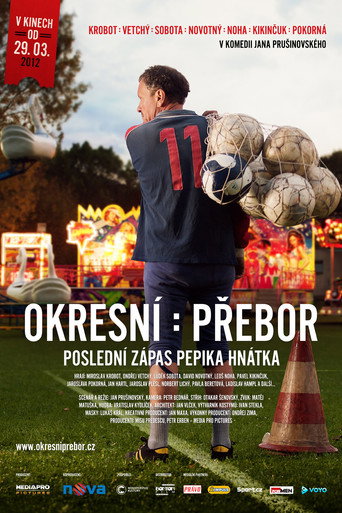
Okresní přebor – Poslední zápas Pepika Hnátka
Based on the popular television series Okresní přebor. As the title suggests, the film features the legendary figure of licensed coach Josef Hnátek. Since this man appeared in the series only as ashes scattered on the Houslice football field, the filmmakers decided to introduce him to viewers in his living form. The story of the feature film is set during his lifetime and explores the dilemma of a man for whom football is his whole life. Even more than life itself. The title role of the Houslice personality will be played by theater director, artistic director of Prague's Dejvické Theater, and occasional actor Miroslav Krobot.
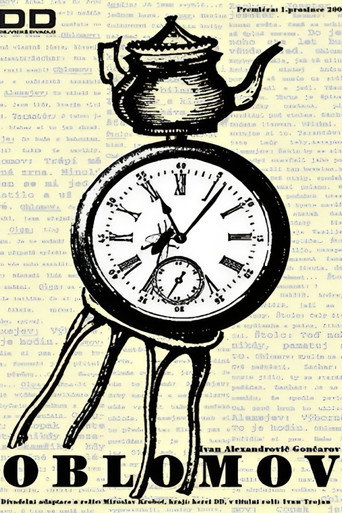
Oblomov
An unusual story about love and laziness. Thalia Award for the title role for I. Trojan. Recording of a performance at the Dejvice Theater in Prague.
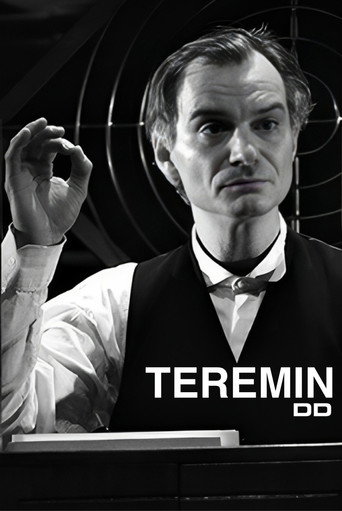
Teremin
Lev Sergeyevich Theremin was a pioneering Russian inventor whose eponymous instrument, the thereminvox, revolutionized electronic music; between 1928 and 1938 he enjoyed triumphs in America - sold-out concerts, mass production of his instrument, and high society acclaim - before the Wall Street crash, personal upheavals, and waning fame led to his enigmatic 1938 return to the USSR. Against all expectations, after surviving Stalin’s notorious Magadan labor camp, he resumed work for Soviet secret services and lived on until 1993, passing away at the age of 97.
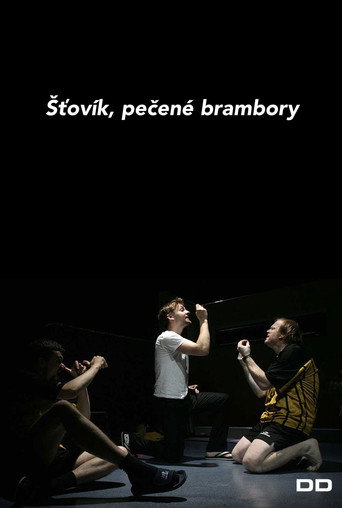
Šťovík, pečené brambory
A comedy by a contemporary Hungarian author who is himself a passionate soccer player and thus intimately familiar with the behind-the-scenes world of the sport, which he is able to view with considerable detachment. He takes us into the locker room of three soccer referees before a match that will have a decisive impact on the career of one of them.
Gallery