Directing
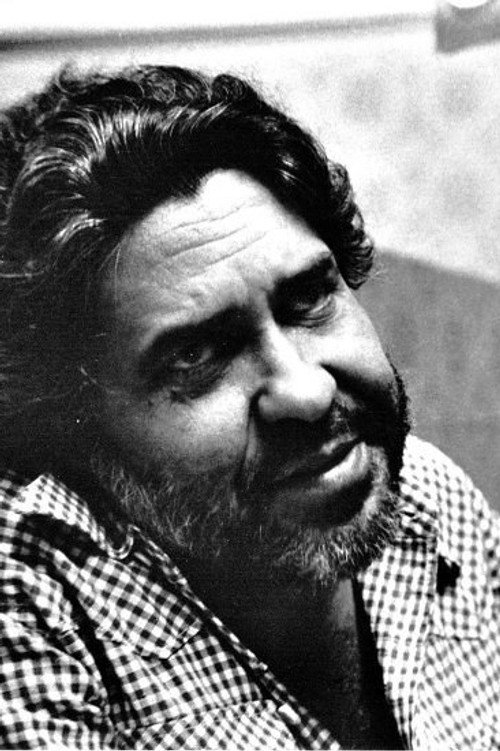
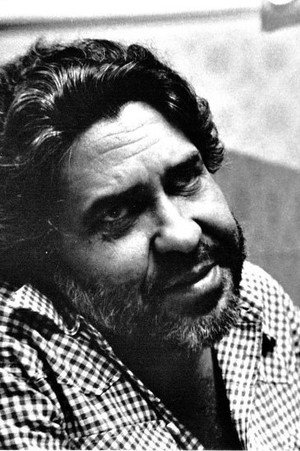
David Neves (14 May 1938 – 23 November 1994) was a Brazilian film director and screenwriter. He directed nine films between 1964 and 1988. He was a member of the jury at the 20th Berlin International Film Festival in 1970.
The importance of the Cannes Film Festival in world terms and what it represented for Brazil in 1971. For Brazilian cinema, Cannes 71 represented the transition from film to industrialized production. It is the meeting of producers, technicians, critics , celebrities in general, offering opportunities for greater knowledge and renewal of values
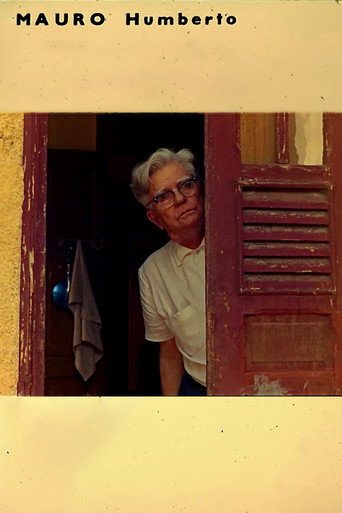
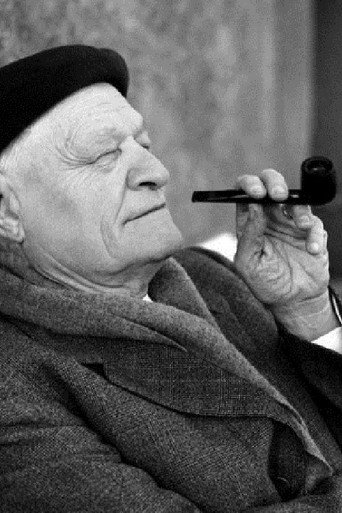
Documentary about Humberto Mauro, his work and its importance.
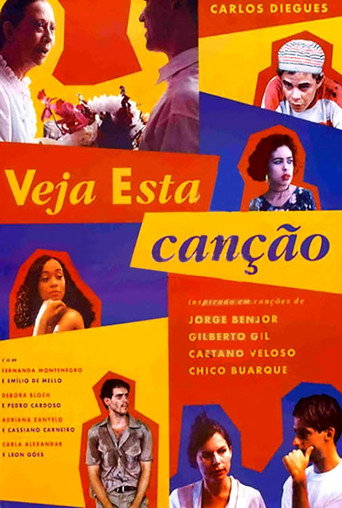
Four love stories which portray a wide gamut of emotions and desires against the backdrop of Rio de Janeiro. "Elephant's Stomp" : the story of a highway patrol officer who is infatuated with a mulatto dancer at a local nightclub. "Drao" : a publicity man and a boutique owner who face a crises in their marriage. "You Are Beautiful" : two homeless teenagers seek love amidst their personal misery. "Samba of the Great Passion" : a book maker who is charmed and captivated by the voice of a female singer coming from a building across the street. Characters in search of love in order to escape from the boredom, loneliness and helplessness of their lives.
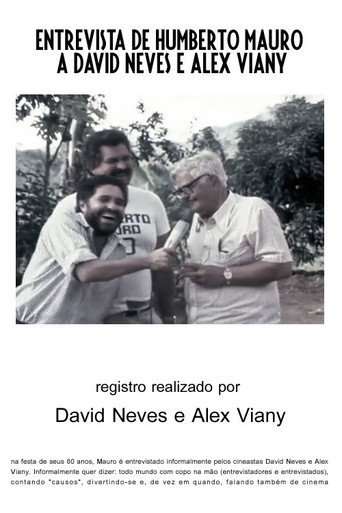
Celebrating his 80th birthday, pioneer Brazilian filmmaker Humberto Mauro talks about his life, work, and the project "A Noiva da Cidade".
A 10-part documentary about 10 Brazilian filmmakers: Linduarte Noronha, Jorge Furtado, Ruy Guerra, Murilo Salles, Paulo Caldas, Walter Salles & Daniela Thomas, David Neves, Julio Bressane, Ana Carolina and Carlos Reichenbach.
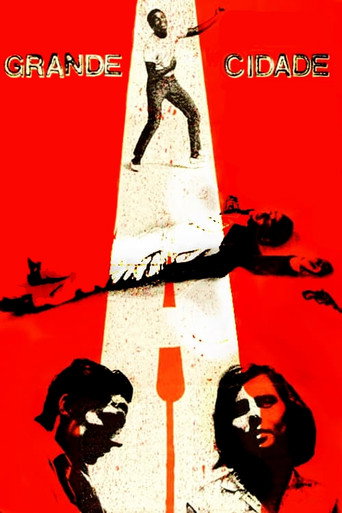
In search of a better life, Luzia leaves the Northeast of Brazil and goes to Rio de Janeiro, looking for her fiance who went first to pave their way. Alone in the Marvelous City, she is forced to accept the friendship and protection of Calunga and, later, the company of Inácio.
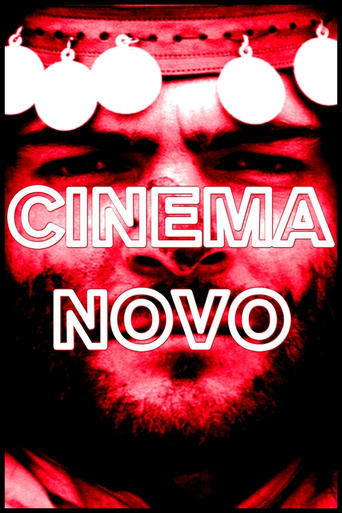
A deep investigation, in the way of a poetic essay, on one of the main Latin American movements in cinema, analyzed via the thoughts of its main authors, who invented, in the early 1960s, a new way of making movies in Brazil, with a political attitude, always near to people's problems, that combined art and revolution.
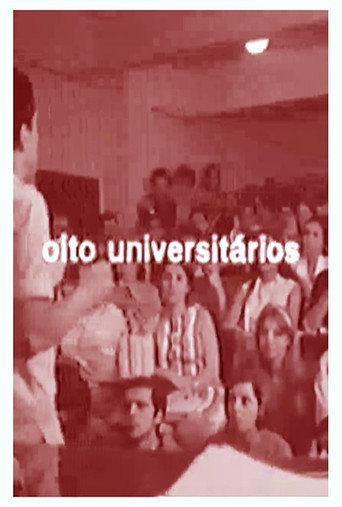
The political activity of students in the 60s.
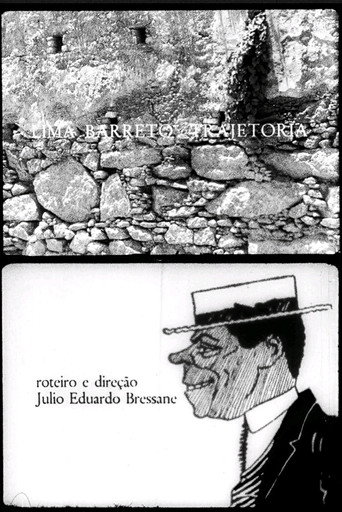
Short film about the life and career of the notorious Brazilian writer Lima Barreto.
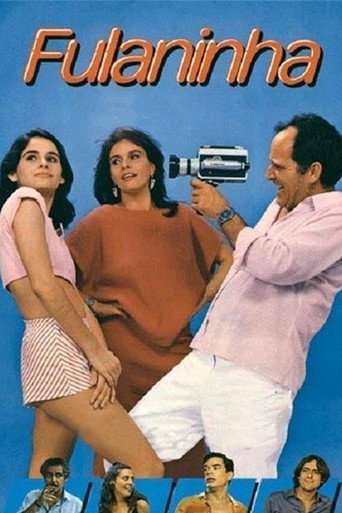
Movie director in his forties and in existential crisis falls in love with an unknown teen girl he sees walking down the streets, without knowing she's the daughter of the woman he's having a relationship with.
In the 60's Lúcia McCartney is a call girl who is a fan of the Beatles. A diplomat tries to get her out of prostitution by falling in love with her.
Two contrasting social groups get in touch: three architects and three street urchins, all struggling for survival.
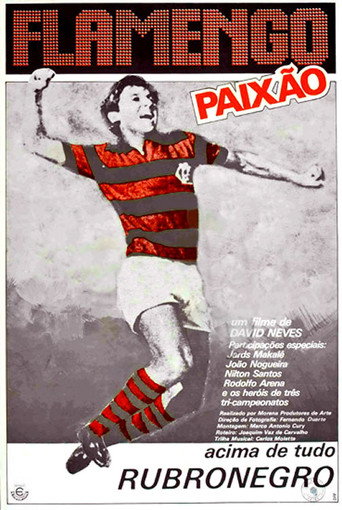
Documentary about Flamengo, one of the most popular soccer teams in Brazil