David Maysles Movies, TV Shows, and Filmography
David Maysles
Directing
Biography
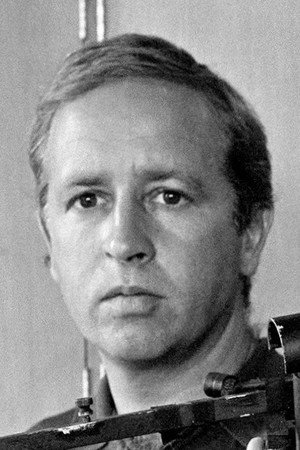
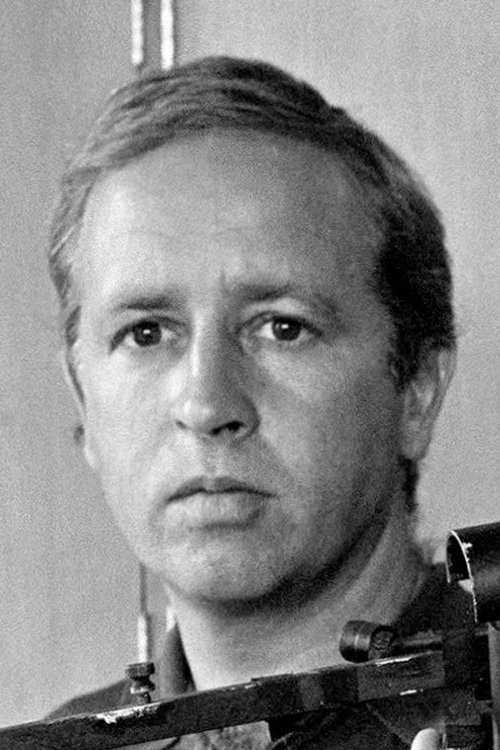
Albert (born November 26, 1926, Boston, Massachusetts) and David Maysles (rhymes with "hazels", born 10 January 1932, Boston, Massachusetts) were a documentary filmmaking team whose cinéma vérité works include Salesman (1968), Gimme Shelter (1970) and Grey Gardens (1976). Their 1964 film on The Beatles forms the backbone of the DVD, The Beatles: The First U.S. Visit. Several Maysles films document art projects by Christo and Jeanne-Claude over a three-decade period, from 1974 when Christo's Valley Curtain was nominated for an Academy Award to 2005 when The Gates headlined New York's Tribeca Film Festival. David Maysles, the younger brother, died of a stroke on January 3, 1987, in New York. Albert Maysles graduated in 1949 with a BA from Syracuse University and later earned a masters degree at Boston University. Albert has continued to make films on his own since his brother's death. Jean-Luc Godard once called Albert Maysles "the best American cameraman". In 2005 Maysles was given a lifetime achievement award at the Czech film festival AFO (Academia Film Olomouc). He is working on his own autobiographical documentary. In 2005 he founded the Maysles Institute, a nonprofit organization that provides training and apprenticeships to underprivileged individuals. Albert is a patron of Shooting People, a filmmakers' community. Description above from the Wikipedia article Albert and David Maysles, licensed under CC-BY-SA, full list of contributors on Wikipedia.
Filmography Movies
Acting
Gimme Shelter
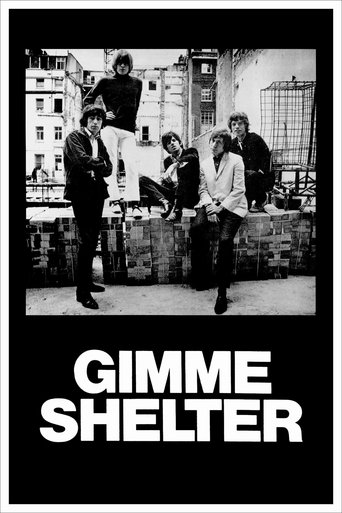
A detailed chronicle of the famous 1969 tour of the United States by the British rock band The Rolling Stones, which culminated with the disastrous and tragic concert held on December 6 at the Altamont Speedway Free Festival, an event of historical significance, as it marked the end of an era: the generation of peace and love suddenly became the generation of disillusionment.
The Beales of Grey Gardens
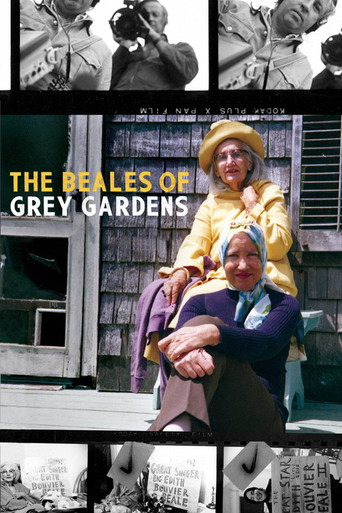
Mother and daughter - Big Edie and Little Edie Beale - live with six cats in a crumbling house in East Hampton. Little Edie, in her 50s, who wears scarves and bright colors, sings, mugs for the camera, and talks to Al and David Maysles, the filmmakers. Big Edie, in her 70s, recites poetry, comments on her daughter's behavior, and sings "If I Loved You" in fine voice. She talks in short sentences; her daughter in volumes. The film is episodic: friends visit, there's a small fire in the house, Little Edie goes to the shore and swims. She talks about the Catholic Church. She's ashamed that local authorities raided the house because of all the cats. She values being different.
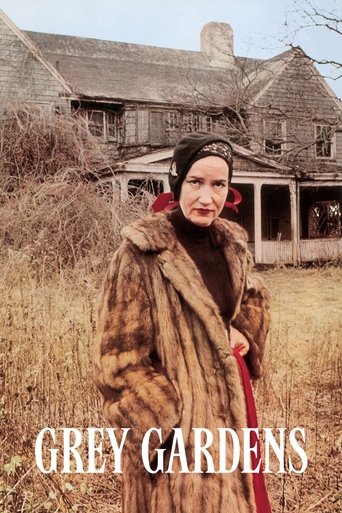
Grey Gardens
Edie Bouvier Beale and her mother, Edith, two aging, eccentric relatives of Jackie Kennedy Onassis, are the sole inhabitants of a Long Island estate. The women reveal themselves to be misfits with outsized, engaging personalities. Much of the conversation is centered on their pasts, as mother and daughter now rarely leave home.
The Maysles Brothers
The Newsweek critic, Jack Kroll, interviews Albert and David Maysles about their new film, Salesman (1968).
Wild Blue Yonder
A portrait of the late documentarian David Maysles by his daughter, Celia.

Albert Maysles: The Poetic Eye
It delves into the character and life of Albert Maysles, who, with his brother David, created some of the most well known and iconic documentaries of the 20th century. Film extracts include Meet Marlon Brando (1965) Salesman (1968) Gimme Shelter (1970) Grey Gardens (1976)
Production
Gimme Shelter
A detailed chronicle of the famous 1969 tour of the United States by the British rock band The Rolling Stones, which culminated with the disastrous and tragic concert held on December 6 at the Altamont Speedway Free Festival, an event of historical significance, as it marked the end of an era: the generation of peace and love suddenly became the generation of disillusionment.
Gimme Shelter
A detailed chronicle of the famous 1969 tour of the United States by the British rock band The Rolling Stones, which culminated with the disastrous and tragic concert held on December 6 at the Altamont Speedway Free Festival, an event of historical significance, as it marked the end of an era: the generation of peace and love suddenly became the generation of disillusionment.
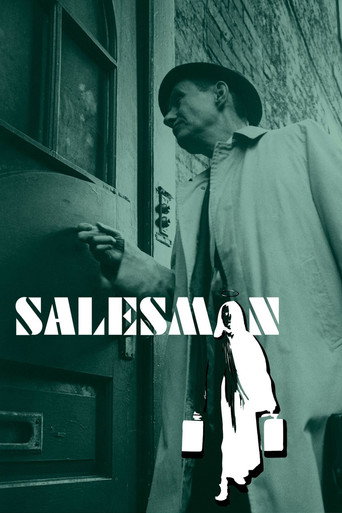
Salesman
This documentary from Albert and David Maysles follows the bitter rivalry of four door-to-door salesmen working for the Mid-American Bible Company: Paul "The Badger" Brennan, Charles "The Gipper" McDevitt, James "The Rabbit" Baker and Raymond "The Bull" Martos. Times are tough for this hard-living quartet, who spend their days traveling through small-town America, trying their best to peddle gold-leaf Bibles to an apathetic crowd of lower-middle-class housewives and elderly couples.
Grey Gardens
Edie Bouvier Beale and her mother, Edith, two aging, eccentric relatives of Jackie Kennedy Onassis, are the sole inhabitants of a Long Island estate. The women reveal themselves to be misfits with outsized, engaging personalities. Much of the conversation is centered on their pasts, as mother and daughter now rarely leave home.
Grey Gardens
Edie Bouvier Beale and her mother, Edith, two aging, eccentric relatives of Jackie Kennedy Onassis, are the sole inhabitants of a Long Island estate. The women reveal themselves to be misfits with outsized, engaging personalities. Much of the conversation is centered on their pasts, as mother and daughter now rarely leave home.
Grey Gardens
Edie Bouvier Beale and her mother, Edith, two aging, eccentric relatives of Jackie Kennedy Onassis, are the sole inhabitants of a Long Island estate. The women reveal themselves to be misfits with outsized, engaging personalities. Much of the conversation is centered on their pasts, as mother and daughter now rarely leave home.
The Beales of Grey Gardens
Mother and daughter - Big Edie and Little Edie Beale - live with six cats in a crumbling house in East Hampton. Little Edie, in her 50s, who wears scarves and bright colors, sings, mugs for the camera, and talks to Al and David Maysles, the filmmakers. Big Edie, in her 70s, recites poetry, comments on her daughter's behavior, and sings "If I Loved You" in fine voice. She talks in short sentences; her daughter in volumes. The film is episodic: friends visit, there's a small fire in the house, Little Edie goes to the shore and swims. She talks about the Catholic Church. She's ashamed that local authorities raided the house because of all the cats. She values being different.
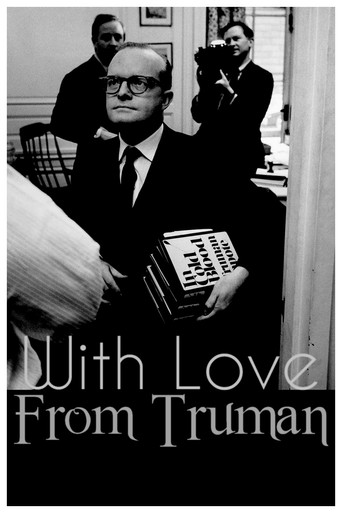
With Love from Truman
At his Long Island beach house, and on the occasion of the publication of his masterful nonfiction novel In Cold Blood, reporter Karen Dennison interviews celebrated writer Truman Capote, who displays his exuberant personality, makes witty jokes, shares his thoughts on writing, reflects on various aspects of the book and, in a sweet and endearing voice, reads and explains some of its highlights.
Journey to Jerusalem
This color documentary chronicles the musical concert on Mount Scopus in Israel a mere three weeks after the Six Day War. Leonard Bernstein and Isaac Stern join the Yoi Yisrael Philharmonic Orchestra, the Israel Philharmonic, and the Tel Aviv Philharmonic Choir for stirring classical renditions by Mahler and Mendelssohn. The concert was recorded by Columbia records for release at a later date and accurately captured the live music in all its classic splendor. Prime Minister David Ben-Gurion sits proudly in the front row as the symphonies play to a capacity crowd. Scenes of the war, the Wailing Wall, schools and hospitals are also included as Bernstein and Stern tour the country and meet the people of Israel.
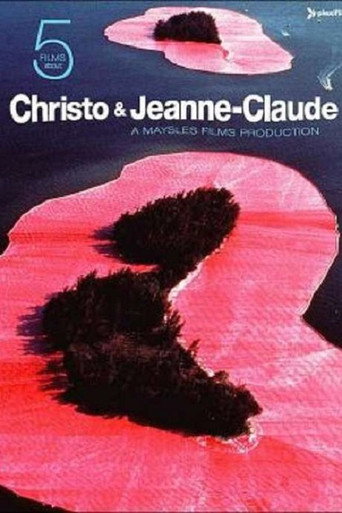
Islands
The Maysles' third film about the artists sees them trying to get three projects off the ground: wrapping the Pont Neuf, the oldest bridge in Paris; wrapping the Reichstag; and surrounding eleven man-made islands in Florida with pink plastic sheets. As the latter is the only one that gets approval, it gets the bulk of this film.
Gallery