Writing
No biography available.
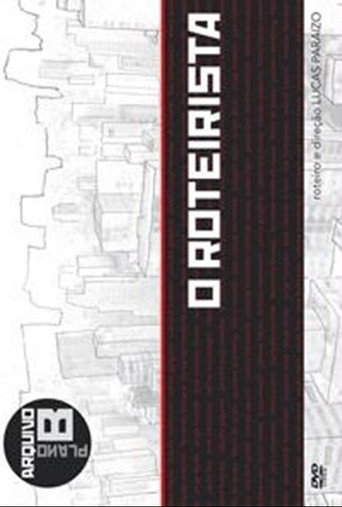
32 renowned Brazilian screenwriters of the contemporary Brazilian cinema talk about their creative processes. From the concept of script to their agreements and disagreements, going through their experiences with filmmakers, their reaction to the finished film, critic, and even controversies on auteurism.
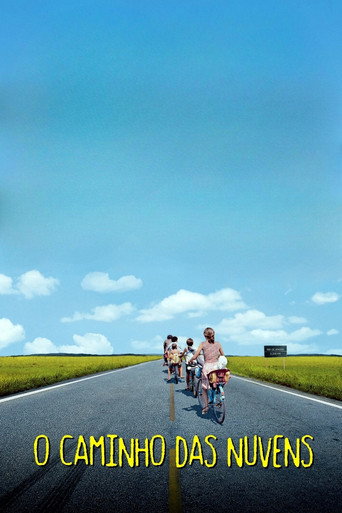
Romão, illiterate and unemployed, feels destiny drawing him on an odyssey to Rio de Janeiro in pursuit of a job and a decent life. A family of seven journeys 2,000 miles across the hinterlands of Brazil on bicycles. Along the way, the story explores the inner dynamics of a family facing a great challenge with the courage to pursue dreams.
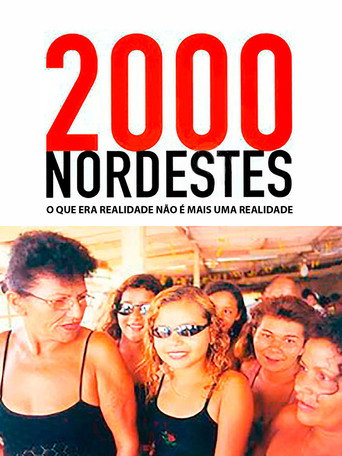
From Ceará to Bahia, passing through Rio Grande do Norte, Paraíba and Pernambuco (and with the counterpoint of the Northeastern diaspora in São Paulo and Rio de Janeiro), the documentary seeks to survey the contemporary Northeastern imaginary: a mixture of the most rich or archaic regional traditions with influences from the more modern mass culture of the era of globalization.
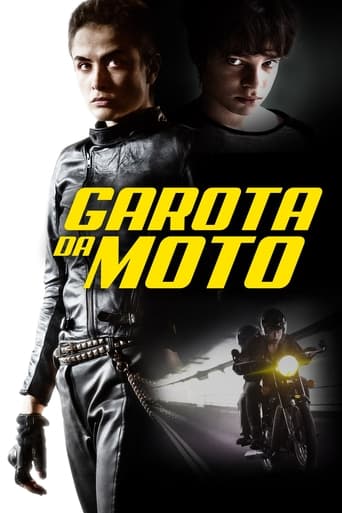
Joana, a young mother who works as a motogirl, accidentally discovers a factory where refugee women are exploited as slaves. She confronts the bad guys and sets the women free, but she brings a new problem to herself. The head of the security scheme that controlled the exploitation scheme needs to prove his effectiveness after this failure. For that, he decides that he will kill Joana and whoever else is with her, so that they can serve as an example. An ambush is set up for when Joana and her son, Nico, will be participating in a collective effort at the boy's school. Joana, who is an excellent fighter, will have to defend not only her son and herself, but everyone at school from a bunch of heavily armed criminals with orders to exterminate whoever is in front of them.
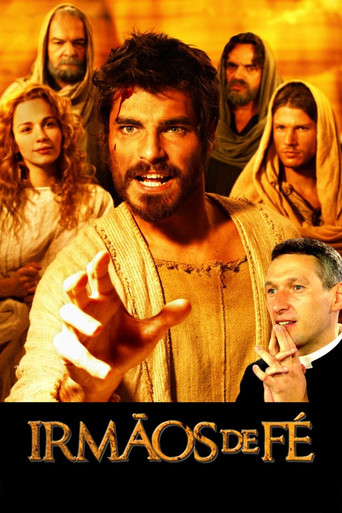
Priest Marcelo Rossi visits a juvenile correction center, and gives Paulo, one of the interns, a Bible. He starts reading the story of St. Paul.
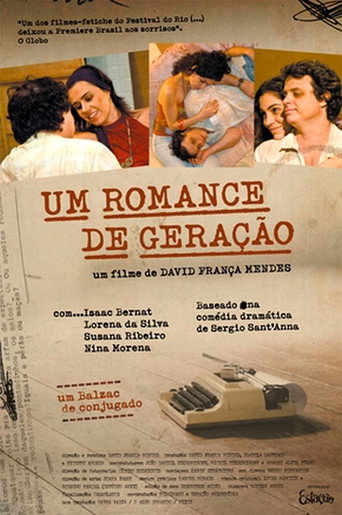
An almost forgotten writer is interviewed by a journalist.