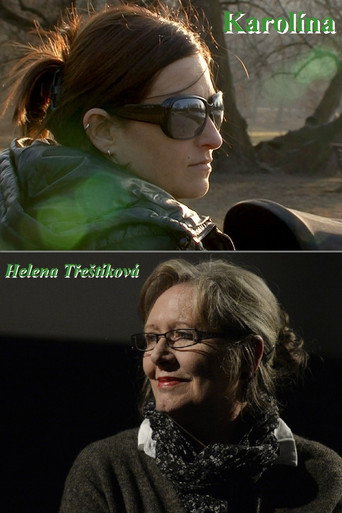
Camera
No biography available.
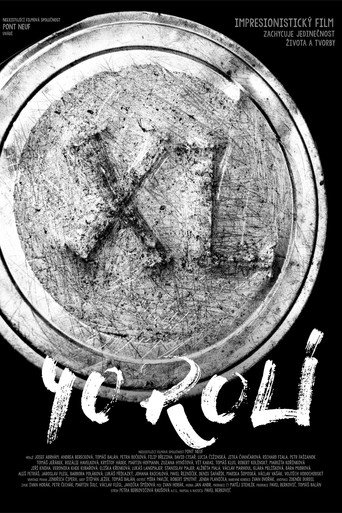
This impressionistic film captures the uniqueness of life and creativity. An experimental feature comprising 40 distinct acting roles, each captured on its own 16 mm film roll, offering a kaleidoscopic mosaic of human traits that fluidly crosses comedy, drama, and documentary styles. Rather than following a conventional narrative, it presents standalone character portraits that collectively inspire creative artists to define and communicate their vision clearly.
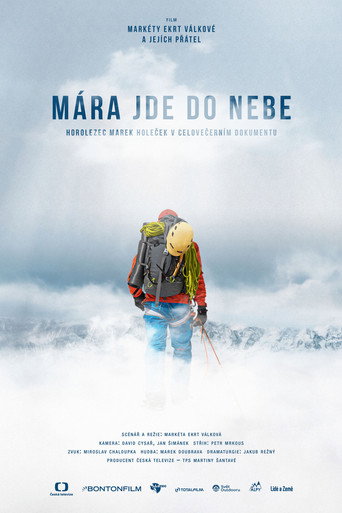
Marek “Mara” Holeček is one of the most noted mountain climbers of our time, both in the Czech Republic and worldwide. He is known for climbing atop the highest mountains, high enough to touch the sky, all without oxygen and in a demanding Alpine style. His extreme approach to mountain climbing and life brings him great success, but also many problems. The film Mara Goes to Heaven follows his five attempts at the first ascent atop the challenging mountain of Gasherbrum I, located in the Karakoram Mountain Range in Pakistan. We catch sight of the surroundings through the eyes of Mara Holeček and those around him as well as through the eyes of those who wait to see if they will make it back alive. The successful expedition ended up being his fifth attempt, but the film also follows the unsuccessful attempts before it that ended in tragedy.
The life story of an unassuming, modest, yet extremely principled woman is also a dramatic portrait of a time when criticism of the regime and defense of the unjustly prosecuted was punished by imprisonment and constant surveillance from the secret state security. The story also reflects the turning point after the Velvet Revolution, when Dana Němcová briefly entered politics as an active member of the Federal Assembly, or when, in response to the war in the former Yugoslavia, she founded a counselling center for refugees and refugee women in the Czech Republic. In the film, she also meets some of those she helped again after many years.
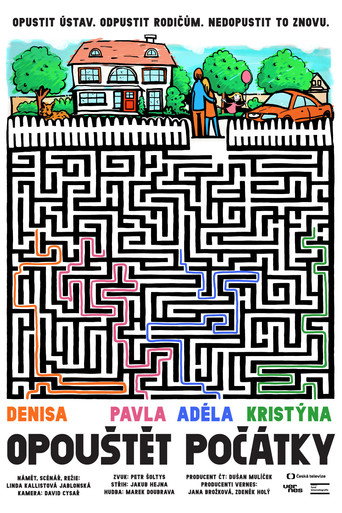
In her most recent film, Linda Kallistová Jablonská observes three girls growing up in a residential facility in Počátky, Czech Republic, over the course of ten years. She explores their dreams about liberty, the reality they must face as well as their ideas about their own future families. The sequel to her first longitudinal documentary about Adéla, Denisa and Pavla captures the rocky road to independence after leaving the facility, their reconciliation with the past, job search, new relationships, small joys and big disappointments. Not only does the director draw an empathic portrait of three young girls with no-one to rely on but themselves; she also explores the ways in which public institutions form young people’s attitudes to life.
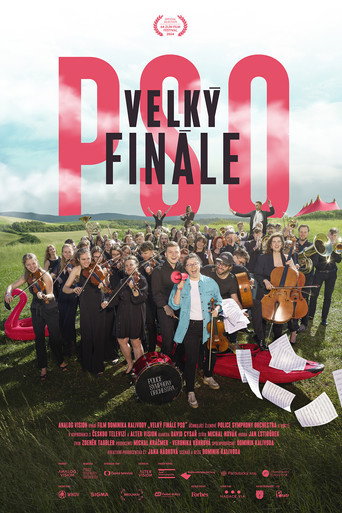
The Police Symphony Orchestra is an amateur musical ensemble comprised of hundreds of musicians, singers, and volunteers from a small town. With infectious energy, they embark on increasingly ambitious projects – selling out the legendary Lucerna, organizing a charity concert for 5,000 spectators, and performing with international stars. Dreams and plans are great, but when you want to bring them to life and face all challenges, it's no joke. Will their enthusiasm withstand the clash with adulthood, and will the members of PSO find what truly matters in life? A documentary chronicle of an extraordinary musical group venturing onto grand stages, it's also a personal testimony of ordinary young people about the world around us.
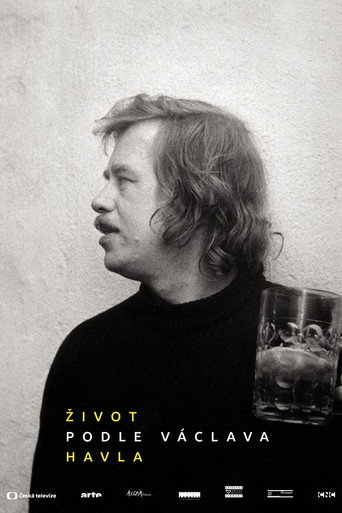
Bohemian, playwright, and suddenly president at the end of 1989: Czech European Václav Havel played a decisive role in shaping the history of the continent in the second half of the 20th century. Andrea Sedláčková recounts Havel's almost novel-like life, drawing on a wealth of archival material. It is a story of dramatic highs and lows, and several defining moments in European history.