Dario Azzellini Movies, TV Shows, and Filmography
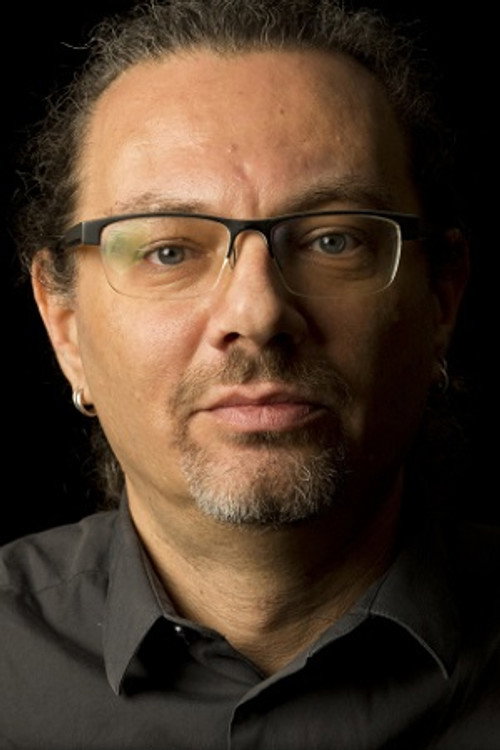
Dario Azzellini
Directing
Biography
No biography available.
Filmography Movies
Production
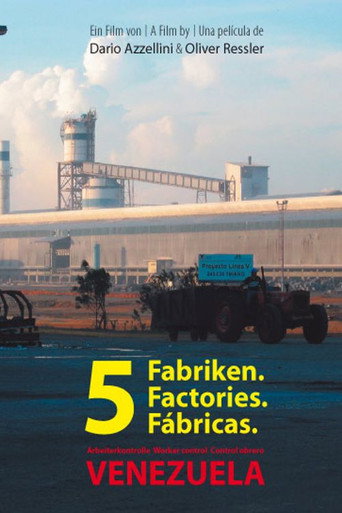
5 Factories: Worker Control in Venezuela
5 Factories provides a penetrating look at the Bolivarian socio-economic project designed to challenge the dominant neo-liberal development model. Since the election of Hugo Chávez in 1998, the Venezuelan government has implemented reforms to transform the nation into what Chávez and his supporters refer to as a form of democratic socialism. As a component of this economic transformation, the government has supported co-ownership initiatives in which workers’ councils play a key role in company management. 5 Factories provides a unique perspective on the Bolivarian experiment, examining the successes and challenges of five companies rejecting traditional ideas of industrial management.
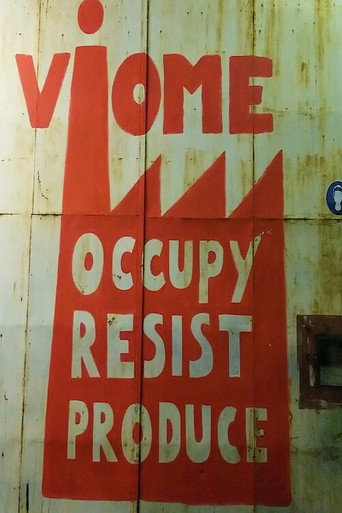
Occupy, Resist, Produce – Vio.Me.
In mid-February 2013 Vio.Me. began producing organic cleaning products and organic soap. Vio.Me. formed a cooperative in order to operate legally. However, Vio.Me. does not operate as a traditional cooperative. The workers do not consider the company their property but a common good that should serve the community. In the film the Vio.Me. worker Makis Anagnostou states that: “Our proposal is addressed to the whole of society, because we, as the working class, have proven that we can self-manage a factory, that we can do it ourselves, but our proposal that reaches out to society is that we can all self-manage our lives. This is why it concerns the whole of society. The factory is not a closed space, nor are we the vanguard of the working class.
Occupy, Resist, Produce – Vio.Me.
In mid-February 2013 Vio.Me. began producing organic cleaning products and organic soap. Vio.Me. formed a cooperative in order to operate legally. However, Vio.Me. does not operate as a traditional cooperative. The workers do not consider the company their property but a common good that should serve the community. In the film the Vio.Me. worker Makis Anagnostou states that: “Our proposal is addressed to the whole of society, because we, as the working class, have proven that we can self-manage a factory, that we can do it ourselves, but our proposal that reaches out to society is that we can all self-manage our lives. This is why it concerns the whole of society. The factory is not a closed space, nor are we the vanguard of the working class.
Occupy, Resist, Produce – Vio.Me.
In mid-February 2013 Vio.Me. began producing organic cleaning products and organic soap. Vio.Me. formed a cooperative in order to operate legally. However, Vio.Me. does not operate as a traditional cooperative. The workers do not consider the company their property but a common good that should serve the community. In the film the Vio.Me. worker Makis Anagnostou states that: “Our proposal is addressed to the whole of society, because we, as the working class, have proven that we can self-manage a factory, that we can do it ourselves, but our proposal that reaches out to society is that we can all self-manage our lives. This is why it concerns the whole of society. The factory is not a closed space, nor are we the vanguard of the working class.
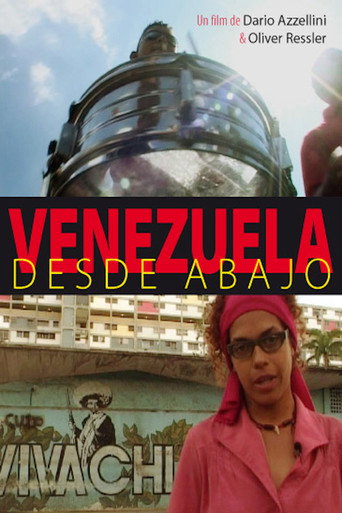
Venezuela from Below
In the film “Venezuela from Below,” the true actors in the social process are able to speak: the grassroots. After an introduction by philosopher Carlos Lazo, workers from the oil company PDVSA in Puerto La Cruz report how in 2002/2003 they protected the refinery from breaking down during the oil sabotage, which was pawned off as a strike, and how they were able to reinstate oil production. Several farmers from a newly founded cooperative in Aragua report on their process of self organization, on the literacy campaign, and how things should continue. A women’s bank project in Miranda and several loan recipients from Caracas’ disadvantaged district, 23 de Enero, present their projects. Indígena community members near the Orinoco river in Bolívar speak about how their demands and struggles are reflected in the constitution and what has changed for them. (and more!)
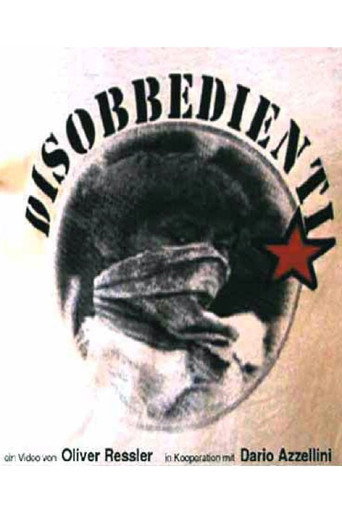
Disobbedienti
The Disobbedienti emerged from the Tute Bianche during the demonstrations against the G8 summit in Genoa in July 2001. The “Tute Bianche” were the white-clad Italian activists who used their bodies – protected by foam rubber, tires, helmets, gas masks, and homemade shields – in direct acts and demonstrations as weapons of civil disobedience. The Tute Bianche first appeared in Italy in 1994 in the midst of a social setting in which the “mass laborer,” who had played a central role in the 1970s in production and in labor struggles, was gradually replaced in the transition to precarious post-Fordist means of production. “Disobbedienti” thematizes the Disobbedienti’s origins, political bases, and forms of direct action on the basis of conversations with seven members of the movement.
Disobbedienti
The Disobbedienti emerged from the Tute Bianche during the demonstrations against the G8 summit in Genoa in July 2001. The “Tute Bianche” were the white-clad Italian activists who used their bodies – protected by foam rubber, tires, helmets, gas masks, and homemade shields – in direct acts and demonstrations as weapons of civil disobedience. The Tute Bianche first appeared in Italy in 1994 in the midst of a social setting in which the “mass laborer,” who had played a central role in the 1970s in production and in labor struggles, was gradually replaced in the transition to precarious post-Fordist means of production. “Disobbedienti” thematizes the Disobbedienti’s origins, political bases, and forms of direct action on the basis of conversations with seven members of the movement.
Gallery