Darcus Howe Movies, TV Shows, and Filmography
Darcus Howe
Acting
Biography
Leighton Rhett Radford "Darcus" Howe (26 February 1943 – 1 April 2017) was a British broadcaster, writer and racial justice campaigner. Originally from Trinidad, Howe arrived in England as a teenager in 1961, intending to study law and settling in London. There he joined the British Black Panthers, a group named in sympathy with the US Black Panther Party. He came to public attention in 1970 as one of the nine protestors, known as the Mangrove Nine, arrested and tried on charges that included conspiracy to incite a riot, following a protest against repeated police raids of The Mangrove restaurant in Notting Hill, London. They were all acquitted of the most serious charges and the trial became the first judicial acknowledgement of behaviour (the repeated raids) motivated by racial hatred, rather than legitimate crime control, within the Metropolitan Police. In 1981, he organised a 20,000-strong "Black People's Day of Action" in protest at the handling of the investigation into the New Cross house fire, in which 13 black teenagers died. Howe was an editor of Race Today, and chairman of the Notting Hill Carnival. He was best known as a television broadcaster in the UK for his Black on Black series on Channel 4, his current affairs programme Devil's Advocate, and his work with Tariq Ali on Bandung File. His television work also included White Tribe (2000), a look at modern Britain and its loss of "Englishness"; Slave Nation (2001); Who You Callin' a Nigger? (2004); and Is This My Country? (2006), a search for his West Indian identity. He was a columnist for the New Statesman and The Voice.
Filmography Movies
Acting
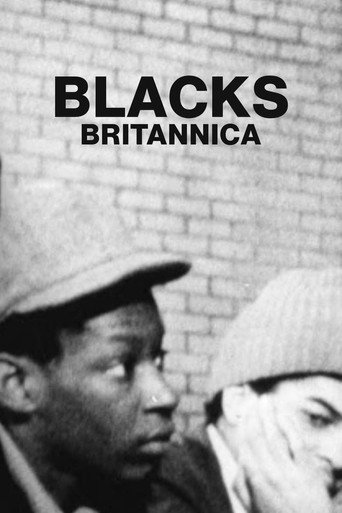
Blacks Britannica
A documentary illustrating the black community's understanding of, and response to, racism in Britain. It presents from a black working class perspective, an analysis of racism within the context of British history and the post-war crisis of the British economy. At the same time the film reflects the increasingly militant response within the black community to the continuing attacks upon it, both by organised fascist elements on the streets, and by the state itself.
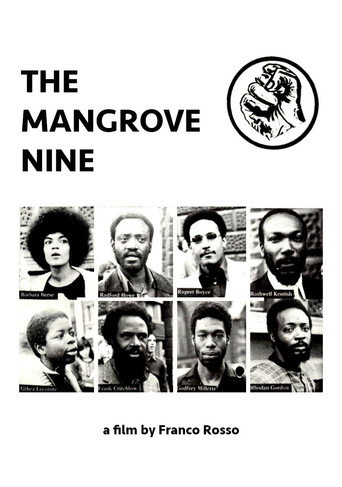
The Mangrove Nine
The Mangrove Nine trial resulted from conflict between the police and the Black community in Notting Hill that had escalated from the end of the 1960s onwards. The Mangrove case began when around 150 Black people protested against long-term police harassment of the popular Mangrove Restaurant in Ladbroke Grove. A documentary film, 'The Mangrove Nine' (directed and produced by Franco Rosso), was made in 1973, and includes interviews with the defendants recorded before the final verdicts. The Mangrove Nine film portrays interviews with the defendants recorded before the final verdicts were delivered at the trial, as well as contemporary comments from Ian Macdonald and others.
Who You Callin' a Nigger?
To mark his 21st anniversary in broadcasting, the commentator Darcus Howe picks up on his chosen topic for another piece of work; racism. However, when Howe came to England "racism" was something that all ethnic groups faced from white people and it bonded the community together. Now Howe travels to the Midlands and several other areas of England to find that racism is rife within the ethnic community. He interviews those within the West Indian, Indian, Pakistani and Somalis communities to find that they are split with hatred and racism views of one another bringing the communities to the boil.
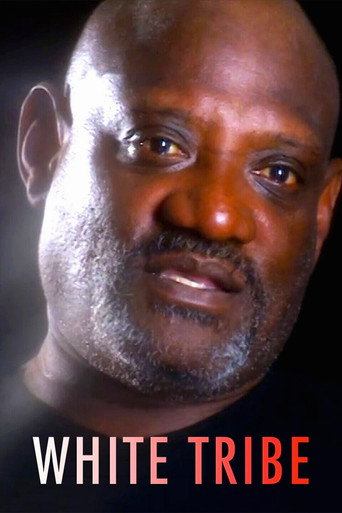
White Tribe
Darcus Howe tries to find out why the English don't seem to want to be English any more.
What Ron Said
A look at the end of the footballing television career of Ron Atkinson
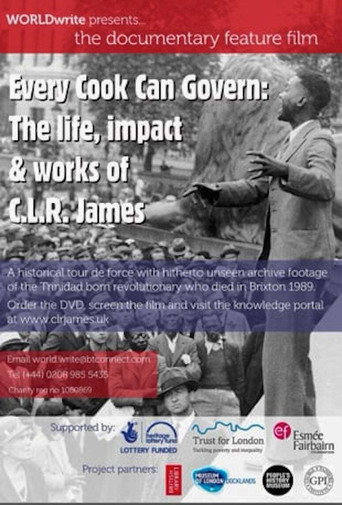
Every Cook Can Govern: The Life, Impact & Works of C.L.R James
Feature-length, crowd-funded documentary that interweaves never-before-seen footage of C.L.R. James, together with personal contributions from those who knew him, and historical and political analysis from leading scholars of his work. The film grapples with issues from colonialism to cricket, from slavery to Shakespeare, from Marxism to the movies and from reading to revolution.
Joan Rivers at the BBC
Katherine Ryan presents a celebration of one of the biggest comedy talents to ever appear on the small screens – the razor-sharp-tongued first lady of laughter, Joan Rivers.
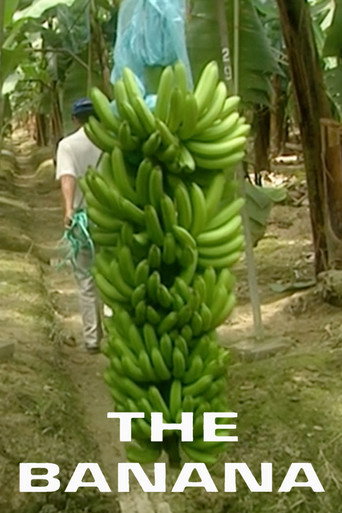
The Banana
The Velvet Underground's John Cale tells the story behind Andy Warhol's famous LP cover, Auberon Waugh and John Walters recall their first encounters with the fruit after the war, and footballer Brendan Batson considers how they became a symbol of racism hurled from the terraces
Viv
Documentary about West Indian cricket captain and batsman Viv Richards, looking at his home in Antigua and his illustrious career for Somerset and the West Indies.
Production
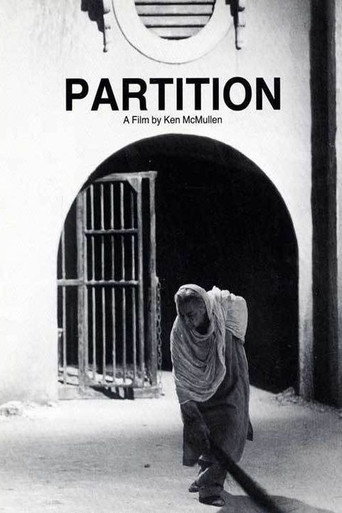
Partition
The tumultuous events surrounding the sub-continent's partition in 1947 into India and Pakistan are re-imagined in Ken McMullen's complex and visually striking film. A lunatic asylum in the city of Lahore becomes a mirror image of events in the outside political world, with the same actors playing both inmates and rulers. Adapted by Tariq Ali and McMullen from famous Urdu writer Saadat Hasan Manto's short story 'Toba Tek Singh', Partition speaks for the countless millions that the usual British Raj films sweep out of sight. Released to mark the 60th anniversary of the partition of the Indian sub-continent, this is the film's first-ever release on DVD.
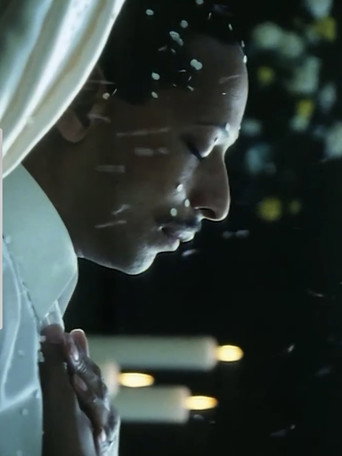
Da Silva, Da Silva
Dramatisation of part of Wilson Harris' novel "Da Silva's Cultivated Wilderness".
The Painter & The Pest
The story of how 60-year-old abstract impressionist painter Harold Shapinsky was discovered the previous year by Akumal Ramachander, an Indian professor of English.
Viv
Documentary about West Indian cricket captain and batsman Viv Richards, looking at his home in Antigua and his illustrious career for Somerset and the West Indies.