Acting
No biography available.
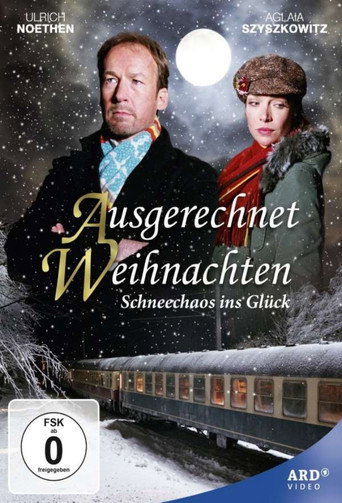
Like many other couples, teacher Sina and doctor Carl have lost their love in everyday life. They have filed for divorce, and their last words together were exchanged a long time ago. But on Christmas Eve, the disappointed husband and the overwhelmed single mother meet again on a crowded train between Salzburg and Munich. Old wounds are reopened and the two are back in the middle of the most beautiful marital tiff. In the best screwball tradition, male logic and female perspective collide. When the train gets stuck in a snowstorm, the angry couple's nerves are on edge. In their anger, Sina and Carl not only forget themselves, but also their son Felix (10), who is traveling with them and is completely overwhelmed by their arguments. But the other passengers also have their worries, and it is only when the situation in and around the train escalates that Sina and Carl come to their senses.
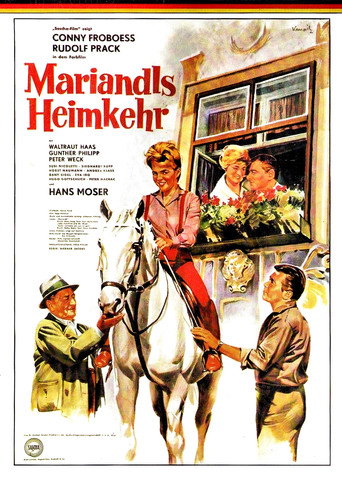
After marrying Hofrat Geiger, Marianne moves to Vienna to be with her husband. She runs the household while her daughter attends the music academy. But Mariandl is heartbroken. She constantly catches her Peter in strange situations with other women. Marianne, on the other hand, constantly has to listen to the innuendo of Franzi, Geiger's long-time housekeeper, who would have loved to be a Hofrat herself. Frustrated, mother and daughter decide to leave Vienna and visit their grandfather. He has inherited a dilapidated farm in the Wachau region, where horses are kept, awaiting shipment to Italian slaughterhouses. Through two benefit concerts, the talented music student Mariandl is able to raise enough money to buy the horses' freedom.
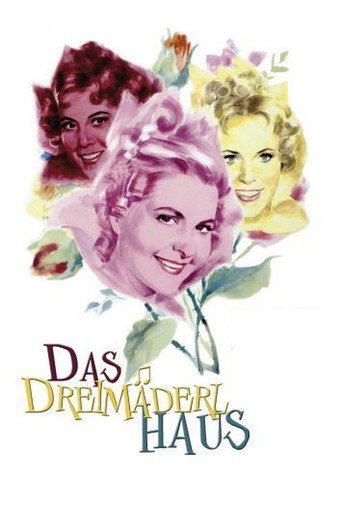
Vienna, 1826. The penniless composer Franz Schubert lives with friends in the house of court glazier Tschöll and his wife. Because of their three beautiful daughters, Hederl, Haiderl, and Hannerl, the property is called the "Three Girls' House." Hederl and Haiderl celebrate a double wedding with the gentlemen, master saddler Bruneder and postmaster Binder. Due to an intrigue by soprano Lucia Grisi, Hannerl, with whom Schubert is in love but dares not reveal herself, turns away from him and marries singer Franz von Schober. Schubert is left with nothing but music.
Major Kottan was actually born in the depths of the 1970s in a folk play by Helmut Zenker for the Vienna Volkstheater. More than 30 years after the film script was written, the Rabenhof version of the first Kottan TV episode, "Hartlgasse 16a," demonstrates the story's timeless validity. The stage version of this "milestone in television history," whose resonance is still felt in the German-speaking television landscape today, takes place here and now in the Rabenhof municipal building. The revival of the folk play genre is one approach to this venture; another explores the question of whether Helmut Zenker is not a direct artistic descendant of Ödön von Horvath.
A politician is afraid about his reputation
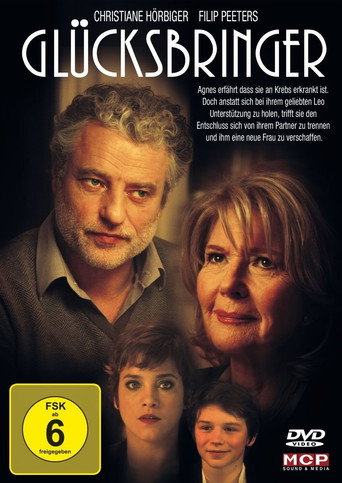
Agnes, the proud managing director of a renowned Viennese jewelery business, has been happily married to the jeweler Leo Wieland for 17 years. He designs for her the exclusive collections and proves her despite the obvious age difference - Leo is a lot younger than his wife - every day his great love. But everything changes when Agnes receives a devastating diagnosis from her doctor: lung cancer. By chance, the couple will one day get to know little Max and his attractive mother Vera. In the terminally ill Agnes matures a plan: Vera would be a perfect partner for Leo.
Crazy Roads takes you on roads of the unexpected.