Art
No biography available.
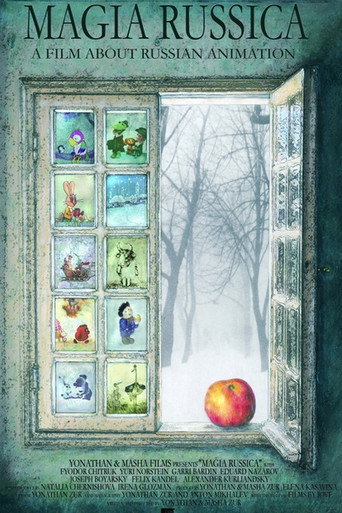
A poetic view of Russian animation and of cultural and social transformations Russian society has been gone through. It is about multi faceted and humorous animation, almost never exposed to western eyes.
A cartoon composed of four parts, parodying "classical" gangster and criminal movies of four countries: robbery American style, French style, Italian style and Russian style. All cartoon characters resemble real movie stars of 50th and 60th.
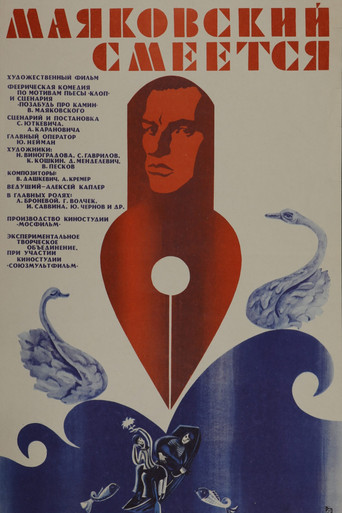
This little-seen and little-discussed film combines animation with self-reflexive, live action segments to embody the anarchic, satiric spirit of the poet and playwright Vladimir Mayakovsky (1893-1930). The film also showcases Sergei Yuktevich's fondness for formal experimentation. It is nominally adapted from Mayakovsky's play "The Bedbug" and his screenplay "Forget All About the Fireplace."
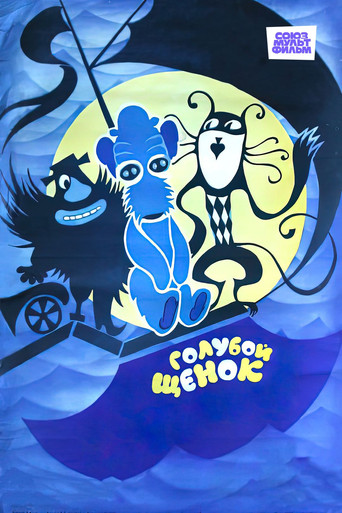
A puppy, born with a strangely light-blue coat, finds himself shunned by all. No one wants to play with him or call him a friend — even the Grey Dogs keep their distance. But when a fearsome Pirate suddenly attacks the island, he enlists the Black Cat’s help to kidnap the Blue Puppy.
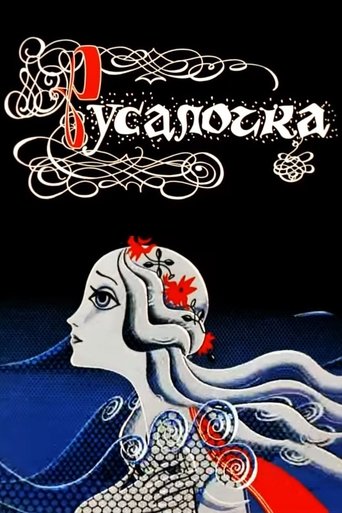
Rusalochka opens in modern day Copenhagen, Denmark. Several tourists gather around the capital's famous mermaid statue, as a tour guide explains its significance. A fish in the water below the tourists scoffs at their foolishness, and then, proceeds to tell about the doomed love of the mermaid. Upon reaching her 15th birthday, the Little Mermaid is allowed to swim up to the surface above. As soon as she does, however, the Mermaid spots a young prince caught up in a dreadful storm. She admires the man's bravery and decides to save him, declaring that, "The beautiful and the brave should not perish." After the mermaid returns to the ocean, she decides that she wants to become human.
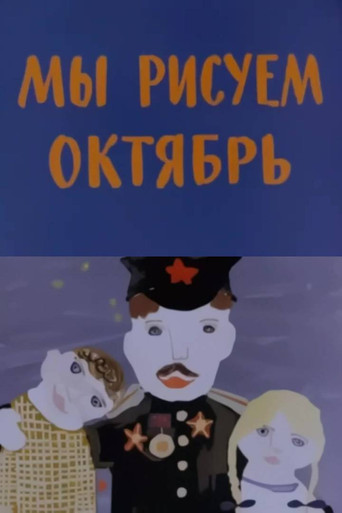
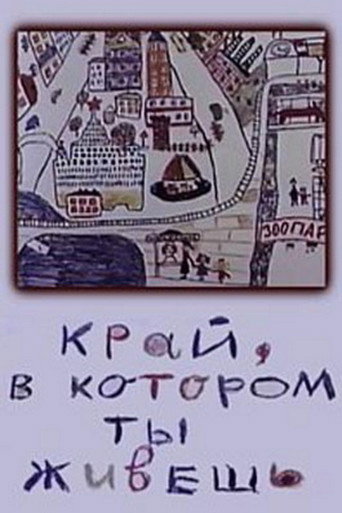
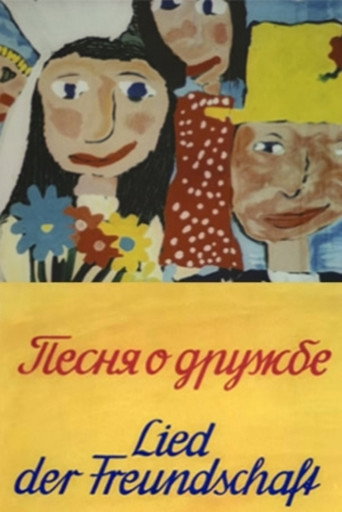
A joint production by animators of the USSR and the GDR based on children's drawings from the time of the Revolution and drawings by children of the 1970s.
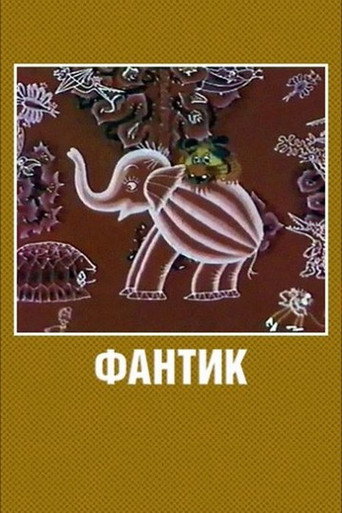
Animated cartoon about a little baby elephant Fantik and by the evil of Shtush-Kutush.
Cartoon based on letters and drawings of children of Soviet Union and German Democratic Republic.