Editing
No biography available.
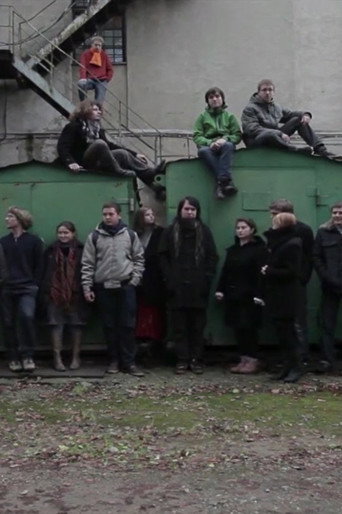
A documentary to commemorate the 20th anniversary of the Faculty of Film and Television.
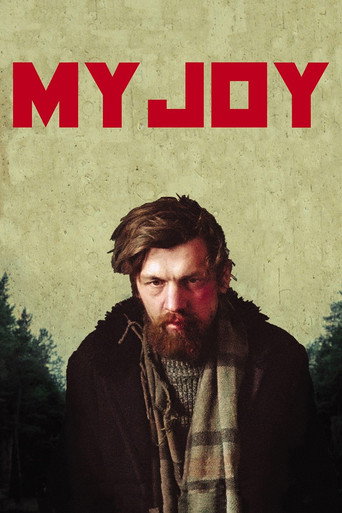
Georgy is driving a load of freight into Russia when, after an unpleasant encounter with the police at a border crossing, he finds himself giving a lift to a strange old man with disturbing stories about his younger days in the Army. After next picking up a young woman who works as a prostitute and is wary of the territory, Georgy finds himself lost, and despite asking some homeless men for help, he’s less sure than he was before of how to make his way back where he belongs. As brutal images of violence and alienation cross the screen, Georgy’s odyssey becomes darker and more desperate until it reaches an unexpected conclusion.
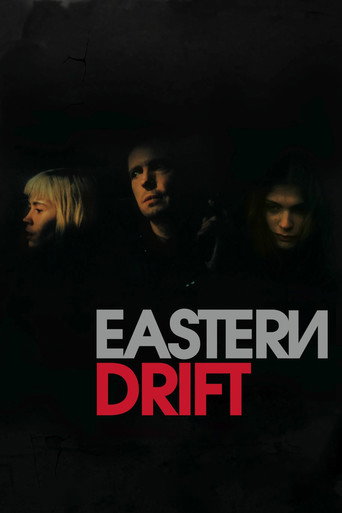
A drug smuggler is betrayed by his partner and is then forced to seek help from Russian mobsters.
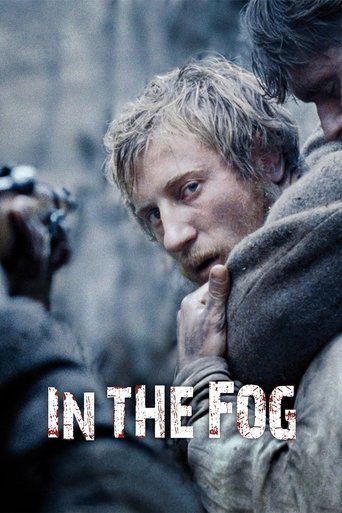
Western frontiers of the USSR, 1942. The region is under German occupation. A man is wrongly accused of collaboration. Desperate to save his dignity, he faces an impossible moral choice.
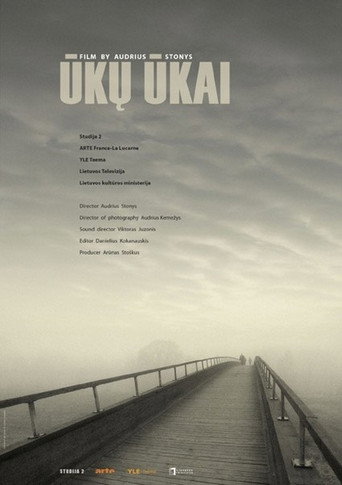
Sorrow does not come merely from contemplating death, which forces us to look into Eternity, but also from life, which compels us to confront Time", wrote Russian philosopher Nikolai Berdyayev. Renowned Lithuanian documentarist Audrius Stonys took these words as a motto for his latest film, a meditative visual essay which portrays old people undertaking all kinds of activities, meditation and group laughter therapy. Without a single word of commentary, he creates from sophisticated, aesthetic images a compelling study of human corporeality which, in an ideal union with spiritual equilibrium, can sustain us with the pledge that old age doesn't have to be a painful wait for the last breath.
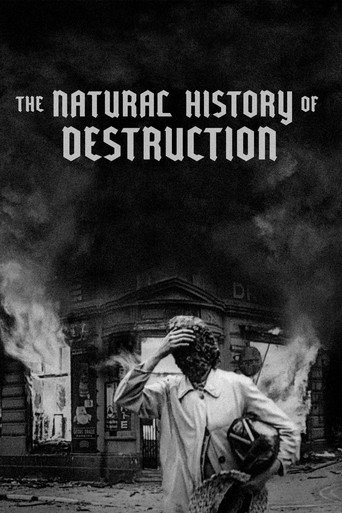
Is it morally acceptable to use the civilian population as yet another tool for waging war? Is it possible to justify death and destruction for the sake of supposedly lofty ideals? The question remains as pertinent today as it was at the beginning of World War II, and it is becoming increasingly urgent to answer, as countless tragedies have been caused by unethical political decisions.
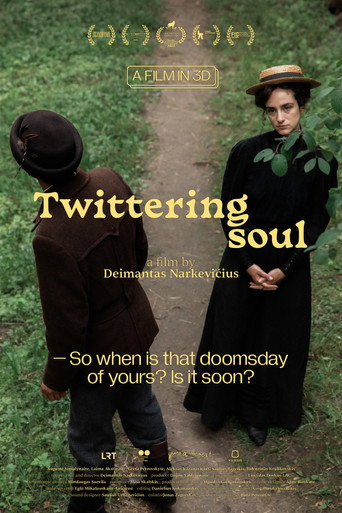
A musician on his way to meet a fellow fiddler, encounters two girls and is taken aback by their talks about afterlife. The musicians walk towards a village observing events, unable to discern phantasy from reality. Later, both men attend a funeral, where archaic rituals intertwine with the practice of marrying a dead girl to an ‘afterlife groom’.
This film about the Baltic nation of Lithuania from 1989 to 1991, when it broke away from the Soviet Union. This period of peaceful protests involving lots of singing came to be known as the "singing revolution."
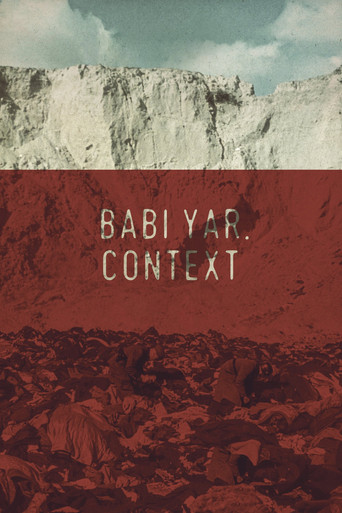
Nazi troops massacre 30,000 Jews over a three-day period in September 1941. Babyn Yar ravine in Kyiv, Ukraine.
Lithuanian photographer, the legend of Soviet Sixties' generation Vitas Luckus tragically passed away in 1987. Yet the life and times of the talented rebel still impassion and lead us to a journey questioning why, at all times, we are wary of those who are really free.