Directing
No biography available.
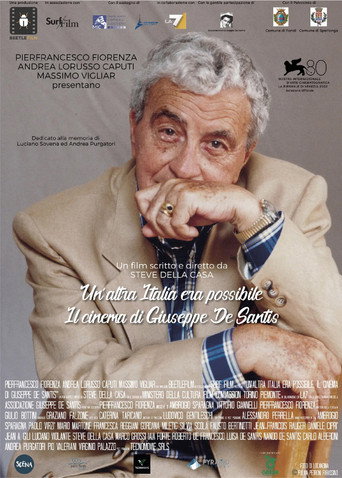
The documentary aims to tell the story of a director who managed to capture the attention of the whole world and, due to his political and aesthetic coherence, was able to work much less than he deserved. It's the story of a film professor who earned the gratitude and affection of all his students. The tale of a cinephile who successfully combined social and civic commitment with a spectacular talent worthy of Hollywood.
A compassionate look at the way the digital revolution has affected the Sicilian movie theater industry.
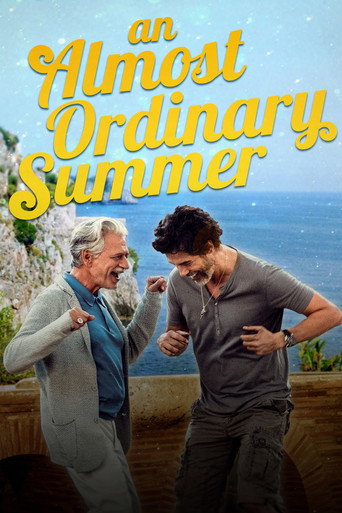
Two families meet for a marriage that neither want, and things take a turn when the respective patriarchs fall in love.
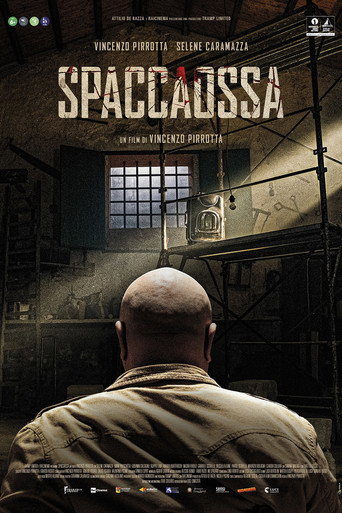
Inside a warehouse in Palermo, a group of people smashes a man’s arm to pieces with a wheelie bag packed with weights. This is the method used by an amateur criminal organization that fractures the limbs of its willing victims before staging fake accidents and raking in the insurance payouts. Vincenzo recruits the individuals from among the down-and-outs that haunt the city streets, where Luisa is a habitué, since she gets her crack there. Vincenzo’s problems suddenly get worse, though, after a series of mistakes shut him out of the gang, and Luisa is now his only chance: he convinces her to have her bones broken.
It follows Gaia, who works in a funeral home and one day something unexpected happens.
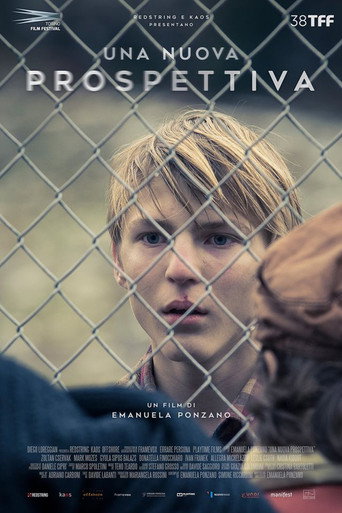
Early one morning, in an unspecified and seemingly far off time, a 12 year old boy, together with some friends, is searching a thick forest for objects of value. There is a lot of fog. The boy goes off by himself to another part of the wood and stands admiring an antique object he has found at the foot of a tree. His happy expression turns to one of curiosity as he is distracted by some high pitched cries which come and go intermittently.
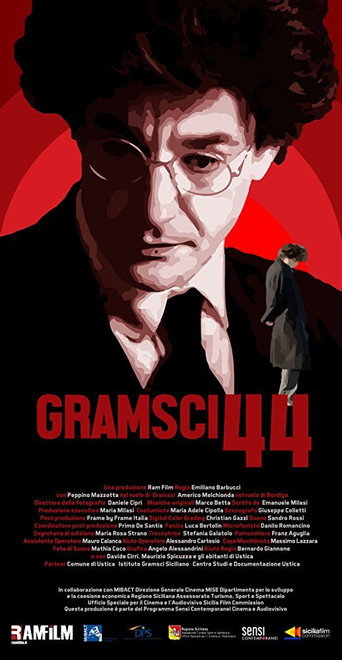
Between 1926 and 1927, the Italian intellectual and Communist political figure Antonio Gramsci spent 44 days imprisoned on the island of Ustica, off the northern coast of Sicily. Together with his fellow prisoners, he founded a school. This unique institution was open to all, welcoming people of all ages and social backgrounds, even the illiterate. Ustica still remembers this revolutionary school. Ustica, remote and neglected, still waits patiently at the harbor, hoping that the boat from the mainland will come.
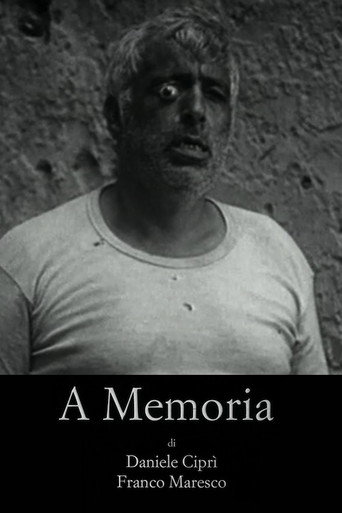
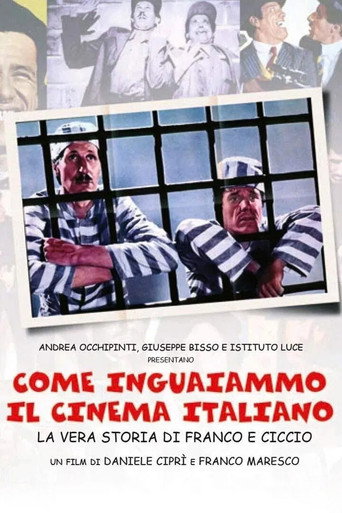
The Italian duo Ciprì & Maresco, known to be cynical deconstructionists, weave a fascinating film around memories of a decadent Sicily. Ruins, memories of ruins - memories are ruins. This thoroughly surrealist piece unfolds like a dream, with no clear direction but the haunting feeling of familiarity and the ready acceptance of otherness as oneness.
In relation to some of Pasolini's visits to Palermo for this last film, in 2000 Ciprì and Maresco shot Arruso, which begins with a phrase by Pasolini ("I banished the word hope from my vocabulary") and consists of imaginary interviews with some local characters who are presumed to have had homosexual relationships with the director. The two record the testimonies, sometimes affectionate others less, of those who had the opportunity to meet him and know the trends on the occasion of that trip.
A gang of teenage boys stalk the streets of Naples armed with hand guns and AK-47s to do their mob bosses' bidding – until they decide to be the bosses themselves.