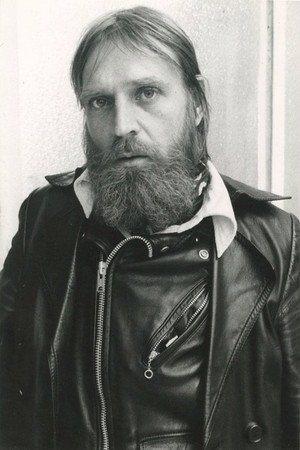
Daniel Pommereulle Movies, TV Shows, and Filmography
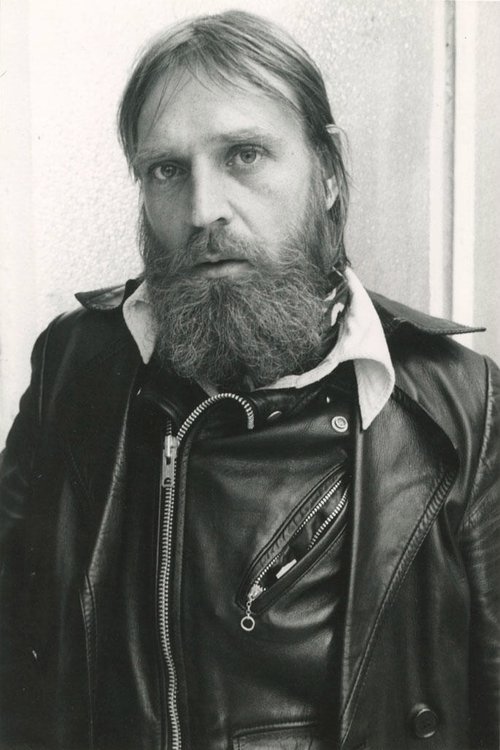
Daniel Pommereulle
Acting
Biography
Daniel Pommereulle passed away in December 2003, leaving a very diverse and complexe but also peculiar and premonitory work. According to Alain Jouffroy's phrase, he was associated to the "Objectors" (les "Objecteurs"). Despite some important exhibitions (Fin de siècle presented in 1975 at National Center for Contemporary Art - Georges Pompidou, or the retrospective exhibitions at the Dole and Belfort museums in 1991) and a growing aura, this work, certainly one of the most importants of the second half of the 20th century in France, remains unknown and secret. From the 1980's to the 1990's he concentrates on the transparency theme with layouts of glass, paper and steel. As an actor, he started with Eric Rohmer's La Collectionneuse in 1967 and played in a dozen of movies, among which François Truffau's La mariée était en noir ( The Bride Wore Black), Jean-Luc Godard's Week-End and Les Idoles by Marc'O are noteworthy. In 1972, he takes part in La Cicatrice Intérieure (The Inner Scar) by Philippe Garrel whom he'll join again 27 years later for Le Vent de la nuit(Night Wind).As a film director One More Time (1967) and Vite(Fast, 1969) are the most noticeable movies for which he successively created a suicide machine and shot sequences through a telephoto lens or a telescope, leading to an apology of the desert and the planet Saturn.
Filmography Movies
Acting
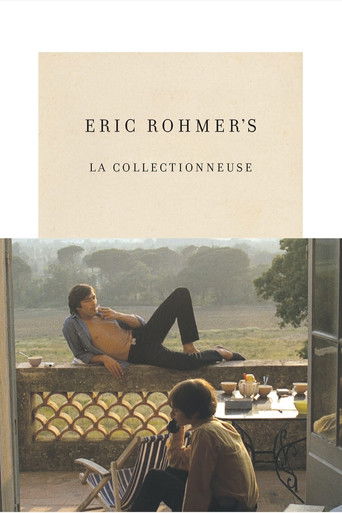
La Collectionneuse
A bombastic, womanizing art dealer and his painter friend go to a seventeenth-century villa on the Riviera for a relaxing summer getaway. But their idyll is disturbed by the presence of the bohemian Haydée, accused of being a “collector” of men.
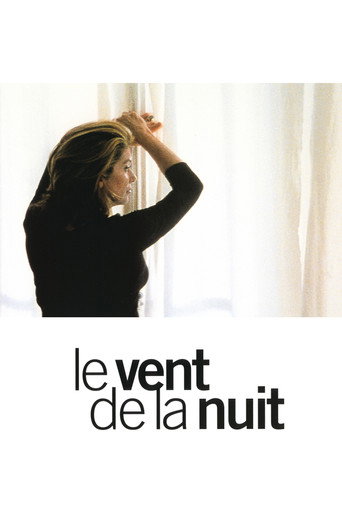
The Wind of the Night
A wayward young man finds himself involved with two mysterious people of a previous generation. After an affair with the married Hélène, the young man tries to escape her obsessions on a road trip with Serge, a taciturn relic of the 60s.
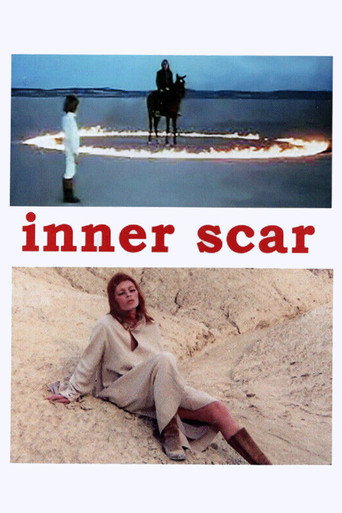
The Inner Scar
A composition of symbolic, surreal and almost mystic images.
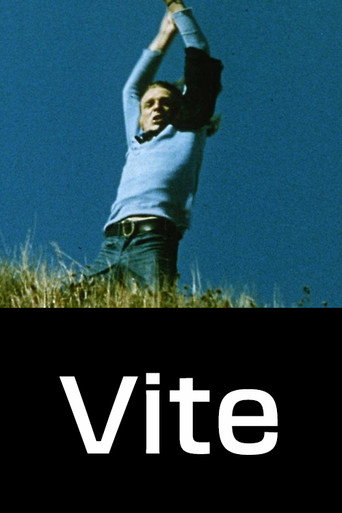
Vite
In 1969, the painter-sculptor Daniel Pommereulle made his third film, this one financed by Sylvina Boissonnas. Although only a short, Vite was one of the most costly of all the Zanzibar productions. It features, for instance, shots of the moon taken by a state-of-the-art telescope, the Questar, that Pommereulle first saw while visiting Marlon Brando in southern California in 1968. In Rohmer’s La Collectionneuse, Pommereulle and his friend Adrien philosophize on how best to achieve le vide (emptiness) during their summer holidays. Three years later, Pommereulle would transform the word “vide” to “vite” (quickly), signifying his profound disenchantment with the aftermath of the revolution of May ’68. —Harvard Film Archive
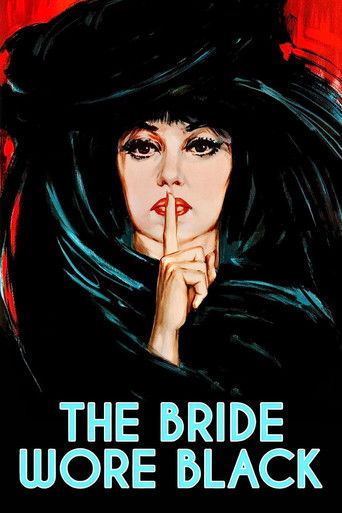
The Bride Wore Black
Julie Kohler is prevented from suicide by her mother. She leaves home, with the intent track down, charm and kill five men who do not know her. What is her goal? What is her purpose?
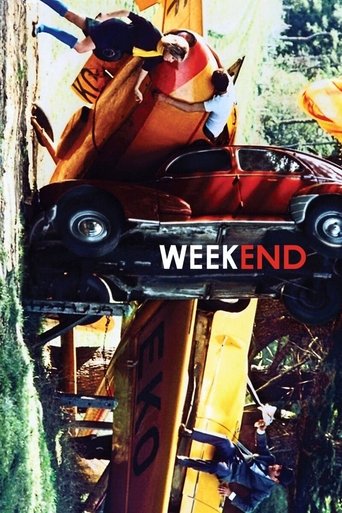
Weekend
A supposedly idyllic weekend trip to the countryside turns into a never-ending nightmare of traffic jams, revolution, cannibalism and murder as French bourgeois society starts to collapse under the weight of its own consumer preoccupations.
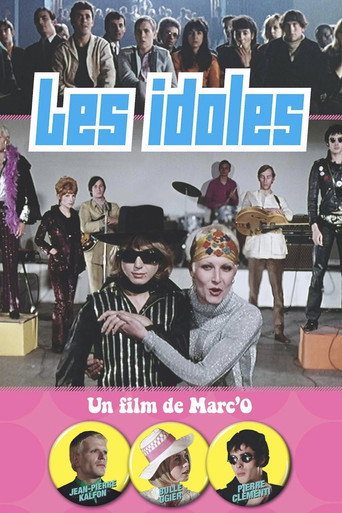
The Idols
This satire concerns three French singing idols and their attempt to stay in the public eye. A press conference, backstage hedonism, psychedelia, manipulative managers and disc jockeys are portrayed as the pop culture is thoroughly and effectively lampooned in this independent feature.
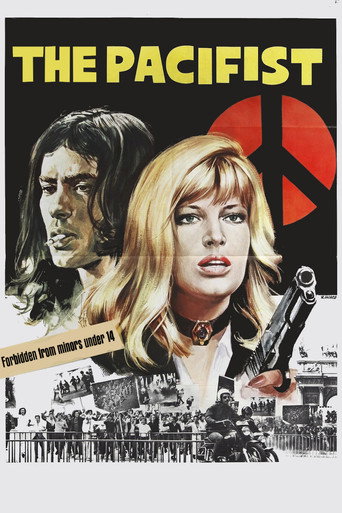
The Pacifist
A journalist preparing a story on extremist youth falls in love with a young radical who fears being killed by his companions when he is unable to commit a political assassination.
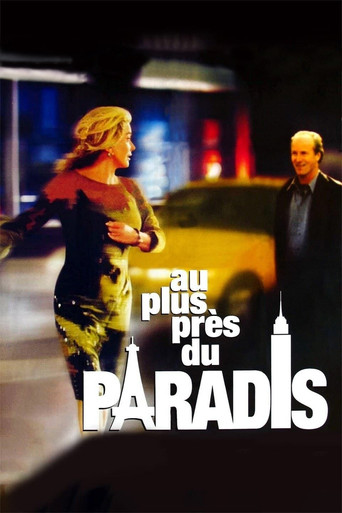
Nearest to Heaven
People and life can be cruel, and in their face, Fannette is cool: toward an old acquaintance, to her daughter, to colleagues. Beneath the surface, she roils with passion for a lost love, Philippe. She watches "An Affair to Remember" again and again, and when she receives a letter from Philippe asking her to meet him atop the Empire State Building, she swoons. She's writing a book on an aged painter, so she organizes a trip to New York ostensibly to secure photographs of some of his pieces. The publisher assigns her a photographer, Matt, on the surface spontaneous and flip, but also aggressive about his attraction to her. Will she be with the one she loves? Will she smile? Written by
Jupiter
Production
Vite
In 1969, the painter-sculptor Daniel Pommereulle made his third film, this one financed by Sylvina Boissonnas. Although only a short, Vite was one of the most costly of all the Zanzibar productions. It features, for instance, shots of the moon taken by a state-of-the-art telescope, the Questar, that Pommereulle first saw while visiting Marlon Brando in southern California in 1968. In Rohmer’s La Collectionneuse, Pommereulle and his friend Adrien philosophize on how best to achieve le vide (emptiness) during their summer holidays. Three years later, Pommereulle would transform the word “vide” to “vite” (quickly), signifying his profound disenchantment with the aftermath of the revolution of May ’68. —Harvard Film Archive
La Collectionneuse
A bombastic, womanizing art dealer and his painter friend go to a seventeenth-century villa on the Riviera for a relaxing summer getaway. But their idyll is disturbed by the presence of the bohemian Haydée, accused of being a “collector” of men.
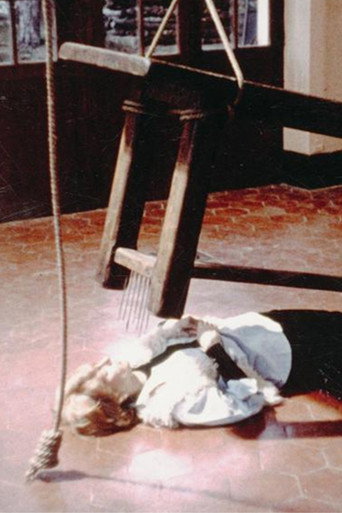
One More Time
A young woman decided to make a show of her death she is going to look at during the whole film. We will see the progressive and long descent of a murderous machine which may pierce her throat.
Vite
In 1969, the painter-sculptor Daniel Pommereulle made his third film, this one financed by Sylvina Boissonnas. Although only a short, Vite was one of the most costly of all the Zanzibar productions. It features, for instance, shots of the moon taken by a state-of-the-art telescope, the Questar, that Pommereulle first saw while visiting Marlon Brando in southern California in 1968. In Rohmer’s La Collectionneuse, Pommereulle and his friend Adrien philosophize on how best to achieve le vide (emptiness) during their summer holidays. Three years later, Pommereulle would transform the word “vide” to “vite” (quickly), signifying his profound disenchantment with the aftermath of the revolution of May ’68. —Harvard Film Archive
One More Time
A young woman decided to make a show of her death she is going to look at during the whole film. We will see the progressive and long descent of a murderous machine which may pierce her throat.
Gallery