Daniel Melingo Movies, TV Shows, and Filmography

Daniel Melingo
Acting
Biography
Daniel Melingo (born October 22, 1957) is an Argentine Rock and Tango musician who has appeared in several feature films.
Filmography Movies
Acting

Bios: Andres Calamaro
By way of unearthed material, commentary from Andrés Calamaro’s friends and former bandmates, and an in-depth interview with Calamaro himself, this special explores the multi-instrumentalist, Latin Grammy award-winning artist’s career.
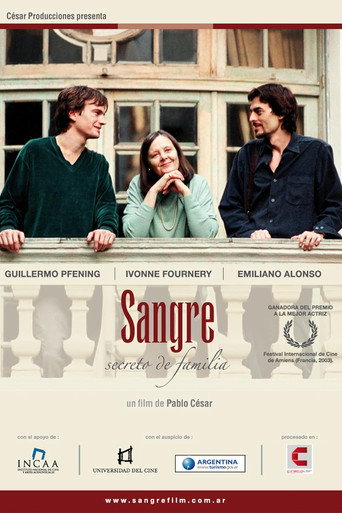
Sangre
Blood is a family portrait. A mother, her two children and the shadow of her husband who died 25 years ago under strange circumstances.
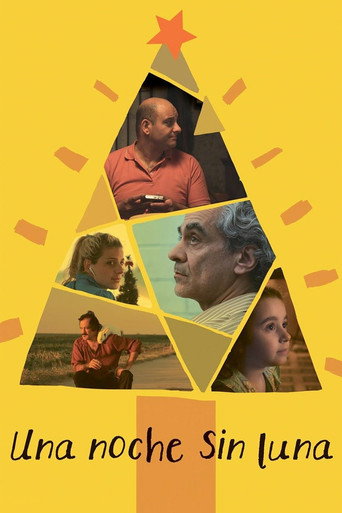
A Moonless Night
A divorced taxi driver shows up with a black eye at the home of his ex-wife’s new family; he’s been invited to dinner and he desperately wants to reconnect with his young daughter. A professional magician’s car breaks down and he ends up spending an emotionally intense night with a young, widowed toll booth worker. A singer songwriter serving a lengthy prison sentence is released for one night to perform at a local community centre. These three deeply engaging stories about yearning for connection unfold in parallel, one New Year’s Eve in a small town in central Uruguay, balancing the universality of human suffering with a powerful sense of hope.
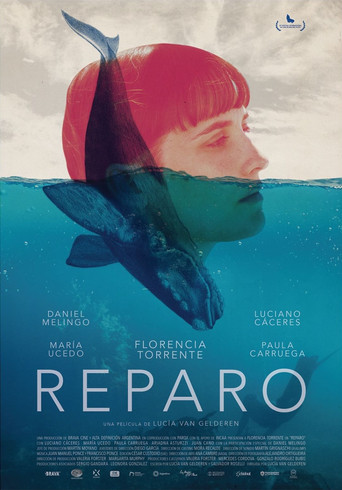
Reparo
Justina, a young graphologist, finds out that Patricio, her eternal summer love, is getting married in Patagonia, the place where she vacations since she was a child. He decides to travel and arrives in whale season. He is staying at his aunt Amalia's, owner of a restaurant specializing in seafood. Everyone speculates that he comes to interrupt the wedding. She sees her old love again, but the town and its fauna will lead her to an unexpected reunion. The sea and the whales assemble a new universe of identity.
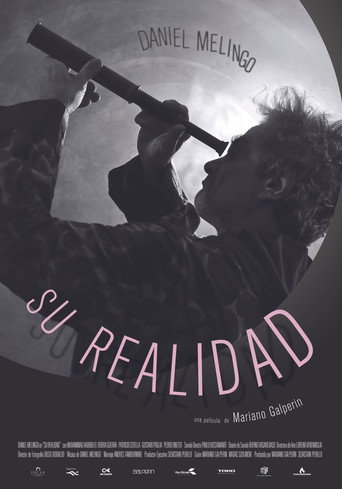
Su realidad
The story takes place in a parallel world during a tour of the musician Daniel Melingo in Europe. What looks like real not always is. With elements of surrealism, the 1930s and the 21st century, the plot accompanies him always focused on the intermediate times, when he downs the stage, away from the show.

Campaña Antiargentina
An actor inherits a house in which he finds hidden items that reveal an alleged campaign against Argentina.

Lulú
Two young urchins turn the streets of Buenos Aires into their own magical playground, in this vibrant portrait of young love.

I'm Gilda
The life and death of the tropical singer Gilda.
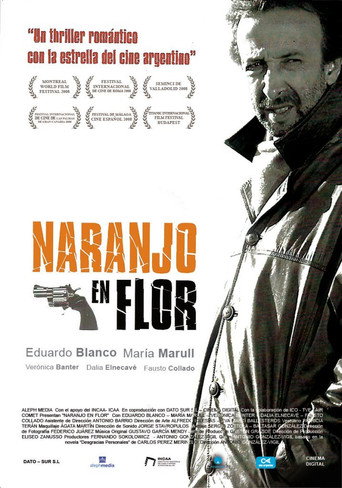
Flower of Seduction
Malena is an attractive woman, psychoanalyst of profession and tango dancer by devotion. One night she kills accidentally a man and decides to hide her crime. Days after, she sees in the news the man’s wife and little daughter: he was a policeman. In her plan, Malena meets Carlos, work companion of the dead policeman who is investigating his disappearance. He is of Vasc origin and they call him “the Sabina,” because sometimes he answers using phrases of the songs of the artist. A strange fascination captures Malena with “the Sabina,” the man who has to discover the crime she committed and take her to prison. Since the beginning, the relationship between them is passionate and transgressor, without moral limits.
Production
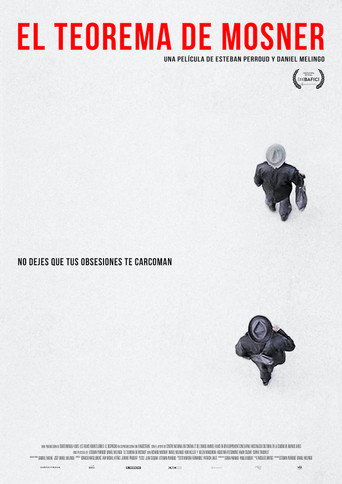
Mosner’s Theorem
A mirror game between reality and fiction about the creative blocking of a troubled artist. Ricardo Mosner exists, but his character transcends the documentary world. We also see musician Daniel Melingo, the film’s director and co-star, transformed into a ghostly vagabond in the city. The camera captures these specters’ roaming like images of a digital canvas. There is wine, loneliness, parties and sunrises of bourgeois bohemians. The film encrypts its indomitable value in exposing how you can paint an audiovisual picture under the influence of this century’s events and variations. In the end, the film is an act of combining brushes and colors with precision in order to depict a happy reunion in exile.
Mosner’s Theorem
A mirror game between reality and fiction about the creative blocking of a troubled artist. Ricardo Mosner exists, but his character transcends the documentary world. We also see musician Daniel Melingo, the film’s director and co-star, transformed into a ghostly vagabond in the city. The camera captures these specters’ roaming like images of a digital canvas. There is wine, loneliness, parties and sunrises of bourgeois bohemians. The film encrypts its indomitable value in exposing how you can paint an audiovisual picture under the influence of this century’s events and variations. In the end, the film is an act of combining brushes and colors with precision in order to depict a happy reunion in exile.
Mosner’s Theorem
A mirror game between reality and fiction about the creative blocking of a troubled artist. Ricardo Mosner exists, but his character transcends the documentary world. We also see musician Daniel Melingo, the film’s director and co-star, transformed into a ghostly vagabond in the city. The camera captures these specters’ roaming like images of a digital canvas. There is wine, loneliness, parties and sunrises of bourgeois bohemians. The film encrypts its indomitable value in exposing how you can paint an audiovisual picture under the influence of this century’s events and variations. In the end, the film is an act of combining brushes and colors with precision in order to depict a happy reunion in exile.
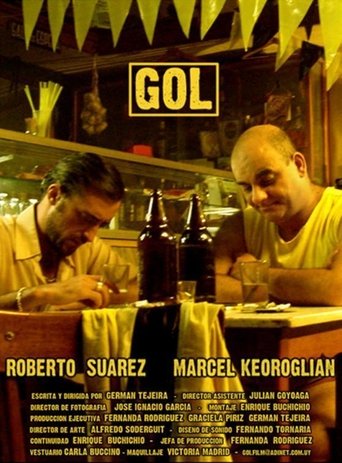
Goal
Two old crime partners meet again. One of them just got out of jail and is looking for a new gig, while the other one now has a legitimate business. They go to catch up at a bar while Peñarol plays the final of the 1987 Copa Libertadores de América.
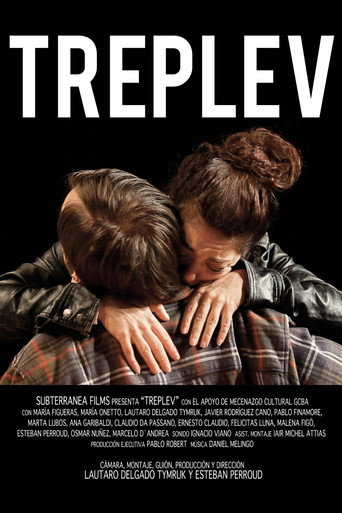
Treplev
An Argentine theater company sets off on a tour of various towns in France, performing Anton Chekhov's The Seagull, directed by Daniel Veronese. The actor who plays Treplev—the writer in love with Nina—and Perroud, a young film director, record this trip. What begins as a travelogue transforms into a duel of viewpoints: that of Perroud's camera versus that of "the Actor who plays Treplev."
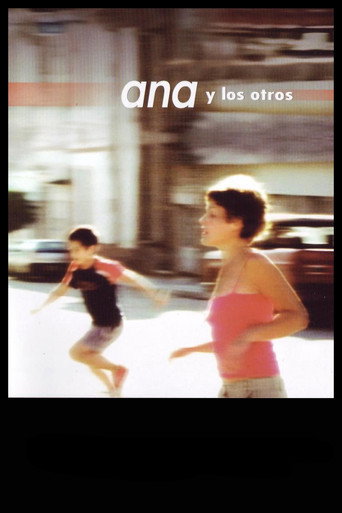
Ana and the Others
Twenty-something Ana, now living in Buenos Aires, returns to her native city of Paraná. She meets old school mates, old friends, makes new ones, and starts to rethink her life, and perhaps change her future.

Alberto Greco, obra fuera de catálogo
In the mid-1950s, Alberto Greco, a permanent and unclassifiable artist, began a wandering journey that took him from Argentina to Brazil and Europe. He traveled through painting, tango, urban action, poetry, and came to generate a manifesto in which he proclaims that the vitality of art is in the street. Around the year 2000, the artist Paula Pellejero became fascinated with Greco's work and decided to start a documentary.
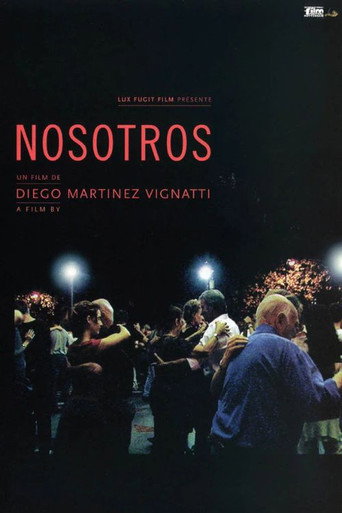
Nosotros
A lucid and sensitive documentary about having roots in Buenos Aires and hence about migration, coffee, food and above all the tango.
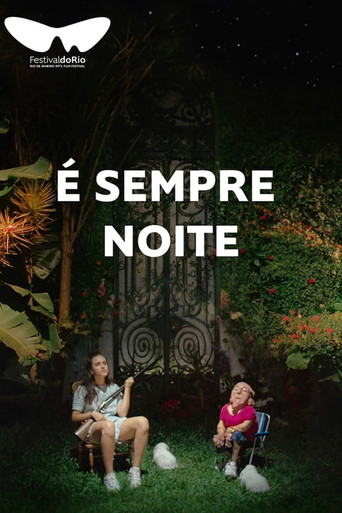
Always Night
An armed young woman and a poet with a strange physical condition live in a house disconnected from the outside world. One day, a knife sharpener rings the doorbell and falls in love with the girl at first sight. The poet believes that it is death coming for him. When she becomes pregnant and her son is born, the young woman returns to her mother's house, a lady with serious mental problems.
Gallery