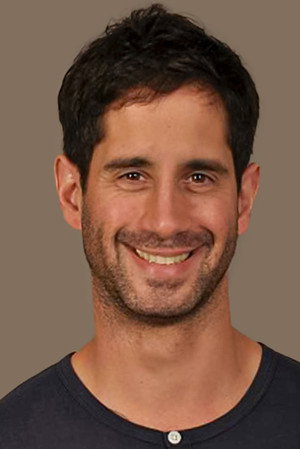
Daniel Margolius Movies, TV Shows, and Filmography

Daniel Margolius
Acting
Biography
No biography available.
Filmography Movies
Acting
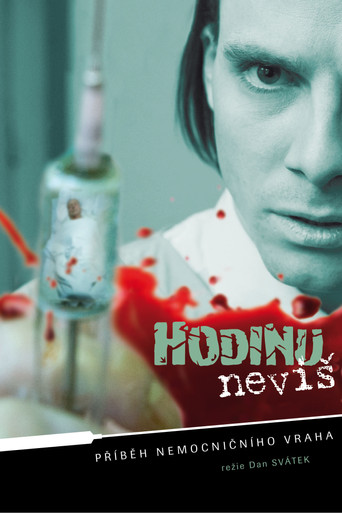
Unknown Hour
Hynek Michánek wants to study medicine but fails his entrance exams five times. He starts a job as an orderly in a district hospital where one of the doctors on the examining board works as well. He feels no-one takes him seriously and he loathes the doctors, who treat him with disdain. When an old man begs him to end his pain and suffering by helping him to die, Hynek gives him a "liberating" injection. But now he has done it once, he finds he can't stop. He continues killing other patients, even though he knows he can't get away with it for long.
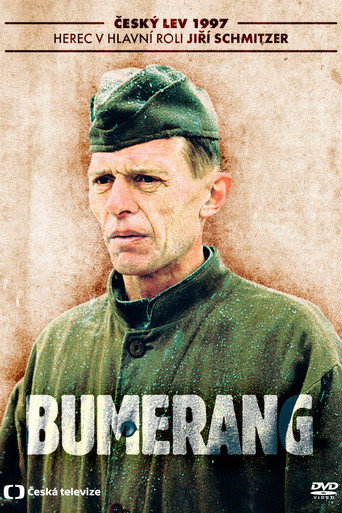
Boomerang
The story, written by former George Stransky former political prisoners and today's chairman Pen Club is situated to 50 years and uranium camp of political prisoners in Pribram, where after the fall of the Stalinist cult comes at the end of 1958 as a prisoner of the former Chief of Main Administration of correctional facilities Colonel Good. Former chief topic of coexistence, "a guard" and political prisoners in the Bolshevik camp served timeless makers to reflect on the possibility (or impossibility) of forgiveness and a sense of justice. The film, unfortunately, below expectations - mainly because of its rarity and lack syžetovou arching dramatic arc of the story, including natural gradation. Nice camera and vice versa are cast, formed literally myriad of top Czech actors. A representative of one of the main roles - Jiri Schmitzer in 1997 was awarded the Czech Lion.
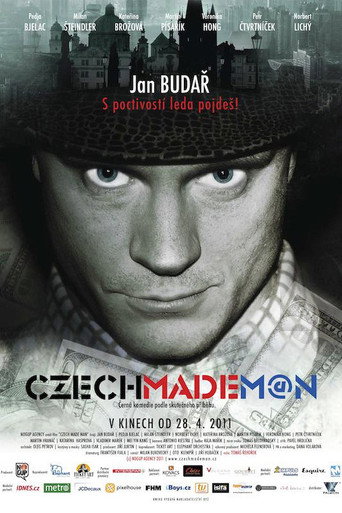
Czech Made Man
The movie is based on the narrative of a Czech multimillionaire who achieved success not by stripping companies, making crooked deals and crony-ism, but by blazing his own trail like Schweikesque self-made man. He realizes early on that he has nobody but himself to rely on. During the totalitarian regime of the 80s, he ambles along his oddball path and then experiences the Velvet Revolution atypically, too - in an asylum amidst nut-cases. After the Revolution, he really gets rolling. To Germany and back. To prison and back. To China and back. The intriguing and endless opportunities afforded by the Internet eventually blossom into virtual prosperity. The hero has everything and is even planning a highly unorthodox family. A happy ending is nigh, until everything goes up in smoke, of course...
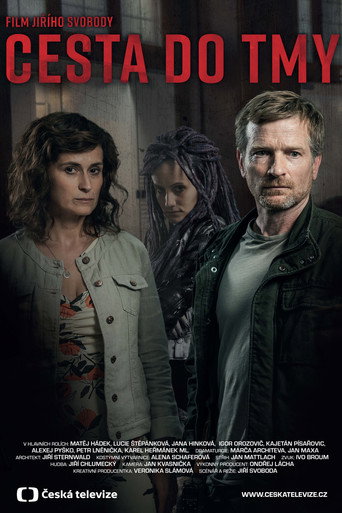
Into the Darkness
What led a former top scientist to rob a bank and hold a dozen hostages? Czech Television's crime thriller based on Martin Goffa's novel "The Little Girl" is squeezed into two environments - the interior of a robbed bank with hostages and the interior of a crisis management car, from where the police communicate with the mysterious attacker and try, like him, to play for time and find out more about him. The flashbacks also tell the story of the attacker's daughter Karin from the recent past, gradually revealing a connection with what is happening in the current storyline.
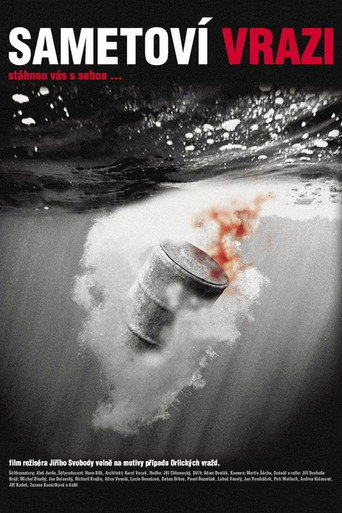
The Velvet Murders
A thriller loosely based on one of the most violent Czech criminal cases of the nineties, popularly known as the Orlík murders. The film delves into the motivation behind the killings, exposing their exceptional cruelty and an absolute absence of moral values. The perpetrators executed four people on their way to achieving material gain. Two of the bodies were found at the bottom of Orlík reservoir, the third perished in a bomb blast, and the forth was shot at home...
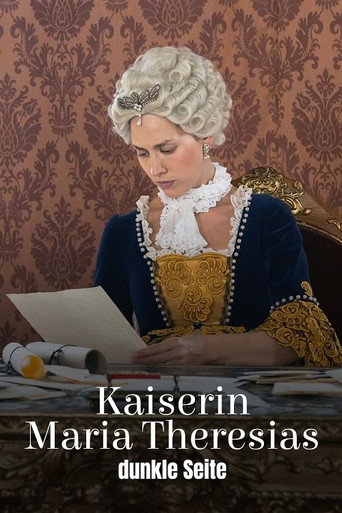
Maria Theresa’s Dark Side
Shortly before Christmas 1744, Vienna, the center of power in the Habsburg Empire, is the scene of a disastrous drama with repercussions for the whole of Europe. Against the spirit of enlightenment and tolerance, the very young Maria Theresa orders the expulsion of the allegedly disloyal Jews from Prague.
Kouzelný přítel
An evil wizard longs to obtain what he does not yet have—a magic lamp. However, only a young boy can help him, so he seeks out the orphan Ali and sends him to a magical cave. The boy obtains the lamp, grows up, and woos the beautiful princess Fatima. Their happiness does not last long, as the vengeful wizard has no intention of giving up the lamp... How the love of the poor merchant Ali, with his wealth of goodness and love in his heart for Princess Fatima, ultimately triumphs, you will see in this fairy tale inspired by an oriental story from the collection One Thousand and One Nights.
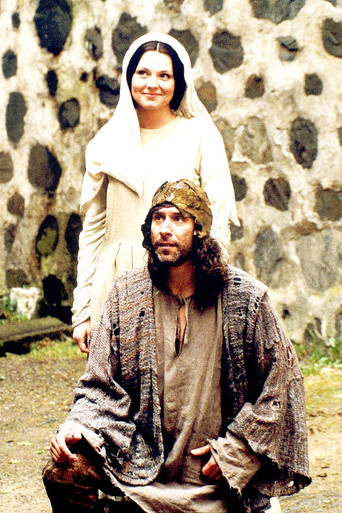
Bride with big legs
This fairy tale, based on an old French legend, takes place in the Middle Ages at the court of King Pepin. The king wants to marry and, on the advice of Duke Akilon, decides to court the Hungarian princess Bertha. Although the princess has a physical flaw—her feet are too large—Pepin does not care much about that. He remembers how he was friends with Bertha as a little boy and even then admired her bravery. Duke Akilon therefore sets off for Hungary to ask for Princess Bertha's hand in marriage for his king. However, he has his own plan and has no idea what will thwart it.
Rána z milosti
On the night it happened, Aleš Berka was celebrating his 50th birthday. A successful, mature man at the peak of his powers. Congratulations, gifts, a happy mistress, a healthy son. The fact that one of the guests had an accident at an intersection on his way home from the party was just a minor blemish on an otherwise perfect evening. The local underworld boss, Radek Máša, immediately called Aleš and asked him to cover up the accident, as always. The district police chief, Aleš Berka, promised to do so, as always. But in the morning, he learned that Marta, the girl who was driving the car, was lying in agony in the hospital and that she was the love of his son Ríša. Ríša believes unconditionally that his father, the district police chief, will do everything in his power to find and punish the culprit of the traffic accident who fled the scene...
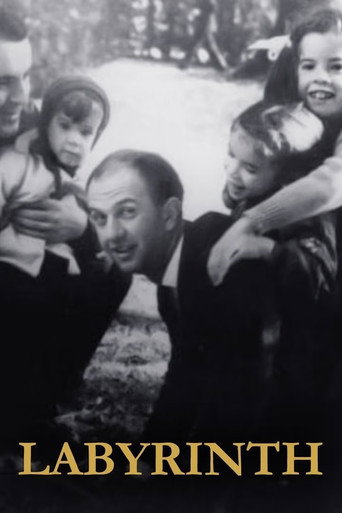
Labyrinth
Film makes the creative process visible by letting its narrative flow in the mind of a foreign director who is researching a film about Franz Kafka in Prague. Based on the principle of dreams and free association, segments unfold that deal with the various points of view that Kafka's work, personality and fate offer. In the labyrinth of his mind, the fictional director projects himself into situations from the author's life, with Kafka himself as his guide. At the same time, he delves into the history of the persecution of the Jews and glimpses the monstrosity of the bureaucratic apparatus that Kafka anticipated but could not have foreseen the monstrous size and function it would grow to a few years after his death in the institutionalized genocide and overall machinery of Nazism.
Gallery