Production
No biography available.
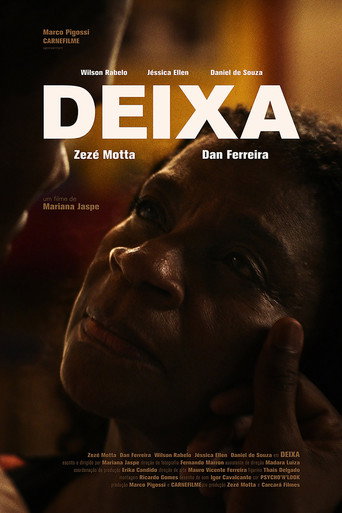
Carmen lives her last day of freedom before her husband leaves prison.
The film portrays the power of the collective that transforms people marked by the barriers imposed by HIV and follows six HIV-positive characters in different social contexts.
Although Fatima, Brandy, Ana and Cecilia have never met, their life stories seem connected. Despite their difference in age, origin and skin color, they are all Latin American women affected by violence. Set in Mexico, Honduras, Brazil and Argentina, this full-length documentary recounts their stories of vulnerability and strength. Despite all these contrasts, their stories align and rhyme with each other.
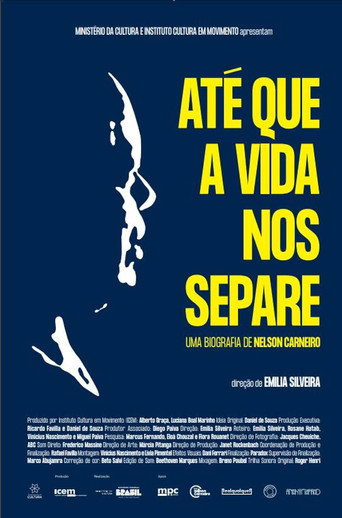
In 2018, Brazil’s 1988 Constitution turned thirty. Known as the Citizen Constitution, it was a landmark in the history of Brazil, the outcome of across-the-board engagement of society in its preparation. In Congress, the parliamentarians best known for their involvement in this initiative were names that are still familiar today in Brazil’s political history: Ulysses Guimarães, Teotônio Vilela, Tancredo Neves and Nelson Carneiro.
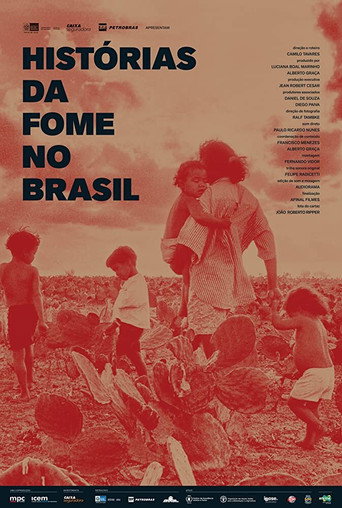
Histories of Hunger in Brazil is a documentary that sets a timeline of hunger in the country. From Colonial Brazil, where the seeds of social inequalities were planted, to the recent public policies that culminated with Brazil finally exiting UN official World Map of Hunger, we portray how the confrontation of this evil on the part of the society and of the government took place.
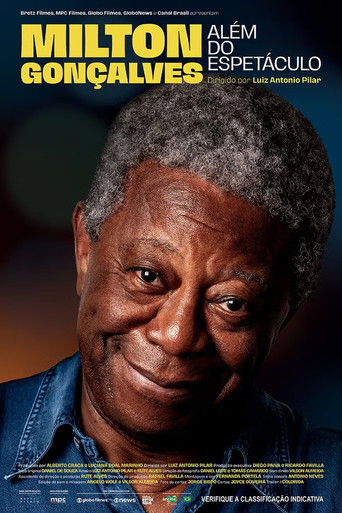
This biopic documents the life and work of one of Brazil’s most prolific artists: Milton Gonçalves. This actor and director are credited with more than sixty television titles, seventy movies and twenty plays. Known from classic full-length features like Macunaíma, They Don't Wear Black Tie and Kiss of the Spider Woman, his dramatic versatility also encompasses major Brazilian soap operas, including O Bem Amado and Roque Santeiro. With his talent, he overcame barriers faced by many Black performers in Brazil. An active on-screen and on-stage presence since the 1950s, his name is synonymous with the history of Brazilian television, theatre and cinema, making him a landmark talent in the performing arts world.