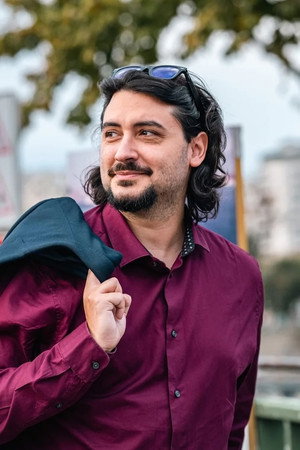
Daniel Conversano Movies, TV Shows, and Filmography
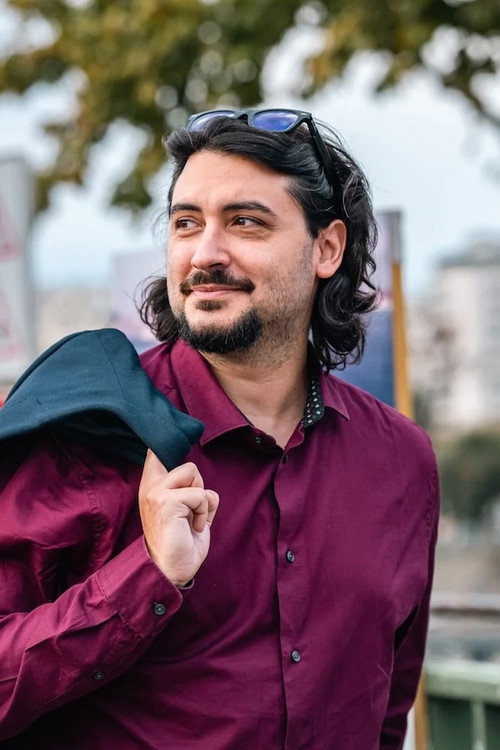
Daniel Conversano
Directing
Biography
Daniel Conversano, born on March 25, 1986 in Grenoble, is a French YouTuber, writer, publisher, and nationalist activist. He defines himself as an occidentalist and ethno-nationalist. Born to an Italian father and a French mother, Daniel Conversano grew up in a modest environment in Grenoble. Between 2005 and 2010, he studied at Grenoble-II University, where he earned a master's degree in philosophy. In March 2018, he released his first novel, "Sorry Jean-Pierre" (Désolé Jean-Pierre). He self-published it, creating his own publishing house, Éditions Petit Jean. In 2019, he published the latest work of Guillaume Faye, with whom he had become friends, titled "Guerre Civile Raciale" (Racial Civil War). At the same time, he founded a new publishing house, Éditions Conversano. source metapedia
Filmography Movies
Acting
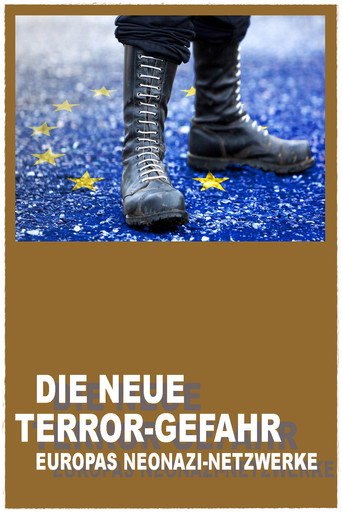
Ultra-right and Neo-Nazi Groups: The New Terrorist Threat
In Europe, a new generation of neo-Nazis is radicalizing and carrying out targeted attacks on Muslims, Jews, migrants and leftists. Their goal is white supremacy. They organize themselves in online forums, run dating sites only for whites, or parade through small German towns like Wunsiedel in Bavaria every year with burning torches. They make no secret of their contempt for democratic institutions and want to specifically infiltrate the police and army. The ultra-right are no longer just agitating at the regulars' table, but are also showing an increasing willingness to use violence. In France, security authorities are also monitoring right-wing extremist groups. In 2022, French media revealed that there is a right-wing network within the French army that is openly committed to Nazi ideology. The racially motivated murder of Federico Aramburú in 2022 or the case of the right-wing agitator Daniel Conversano put the authorities on alert.
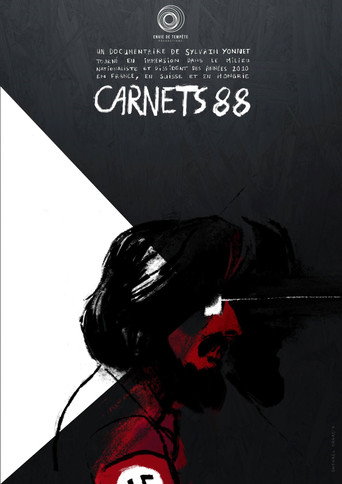
Carnets 88
Ten notebooks depict an immersion in French neo-fascist circles during the 2010s.
Production
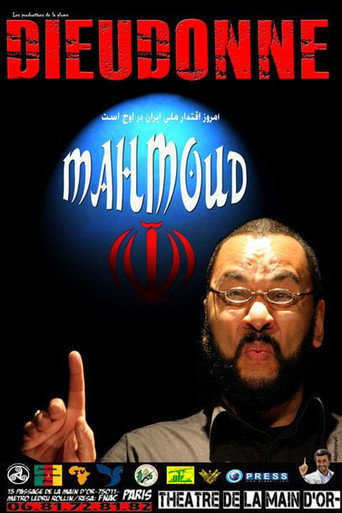
Dieudonné - Mahmoud
Filmed at the Théâtre de la Main d'Or on October 22, 2010. Dieudonné returns with "Mahmoud", in what can be described as "a contemporary artistic testimony with a strong humorous content." He tells us about the incredible events that led him to meet the Iranian president, Mahmoud Ahmadinejad. He takes us back in time and transports us to the 16th century on a plantation in Martinique to discuss the courteous relationships between masters and their slaves. He also talks about the all-powerful and revered field of medicine... only to mock it, of course. And it feels good!
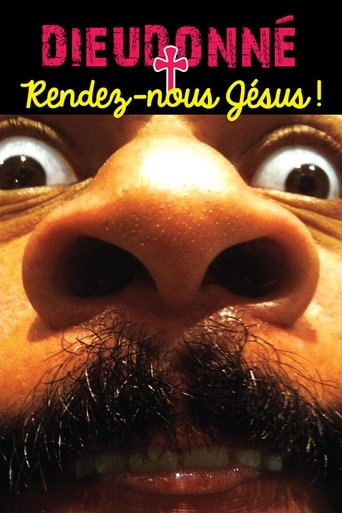
Dieudonné - Rendez-nous Jésus !
Dieudonné, father of little Judas, talks to us about Jesus. What could be more natural! After all, Dieudo grew up in the light of Christ and, like a mirror, reflects his personal vision of Jesus back to us. A Jesus who is both the Son of God for Christians and also a prophet of Islam, foretelling the arrival of his messenger, Muhammad. For Dieudonné, Christians and Muslims share a common destiny: to laugh together, and to do so heartily!
Dieudonné - Rendez-nous Jésus !
Dieudonné, father of little Judas, talks to us about Jesus. What could be more natural! After all, Dieudo grew up in the light of Christ and, like a mirror, reflects his personal vision of Jesus back to us. A Jesus who is both the Son of God for Christians and also a prophet of Islam, foretelling the arrival of his messenger, Muhammad. For Dieudonné, Christians and Muslims share a common destiny: to laugh together, and to do so heartily!
Dieudonné - Mahmoud
Filmed at the Théâtre de la Main d'Or on October 22, 2010. Dieudonné returns with "Mahmoud", in what can be described as "a contemporary artistic testimony with a strong humorous content." He tells us about the incredible events that led him to meet the Iranian president, Mahmoud Ahmadinejad. He takes us back in time and transports us to the 16th century on a plantation in Martinique to discuss the courteous relationships between masters and their slaves. He also talks about the all-powerful and revered field of medicine... only to mock it, of course. And it feels good!
Dieudonné - Mahmoud
Filmed at the Théâtre de la Main d'Or on October 22, 2010. Dieudonné returns with "Mahmoud", in what can be described as "a contemporary artistic testimony with a strong humorous content." He tells us about the incredible events that led him to meet the Iranian president, Mahmoud Ahmadinejad. He takes us back in time and transports us to the 16th century on a plantation in Martinique to discuss the courteous relationships between masters and their slaves. He also talks about the all-powerful and revered field of medicine... only to mock it, of course. And it feels good!
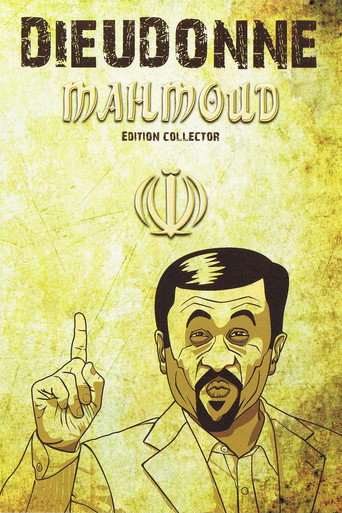
Dieudonné - Mahmoud (Édition Collector)
Filmed at the Théâtre de Marens in Nyon on April 27, 2011. Dieudonné returns with "Mahmoud", in what can be described as "a contemporary artistic testimony with a strong humorous content." He tells us about the incredible events that led him to meet the Iranian president, Mahmoud Ahmadinejad. He takes us back in time and transports us to the 16th century on a plantation in Martinique to discuss the courteous relationships between masters and their slaves. He also talks about the all-powerful and revered field of medicine... only to mock it, of course. And it feels good!
Dieudonné - Mahmoud (Édition Collector)
Filmed at the Théâtre de Marens in Nyon on April 27, 2011. Dieudonné returns with "Mahmoud", in what can be described as "a contemporary artistic testimony with a strong humorous content." He tells us about the incredible events that led him to meet the Iranian president, Mahmoud Ahmadinejad. He takes us back in time and transports us to the 16th century on a plantation in Martinique to discuss the courteous relationships between masters and their slaves. He also talks about the all-powerful and revered field of medicine... only to mock it, of course. And it feels good!
Gallery