Danièle Delorme Movies, TV Shows, and Filmography
Danièle Delorme
Acting
Biography
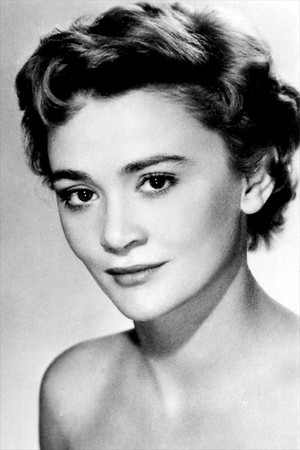
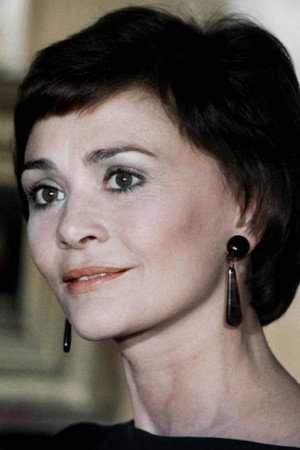
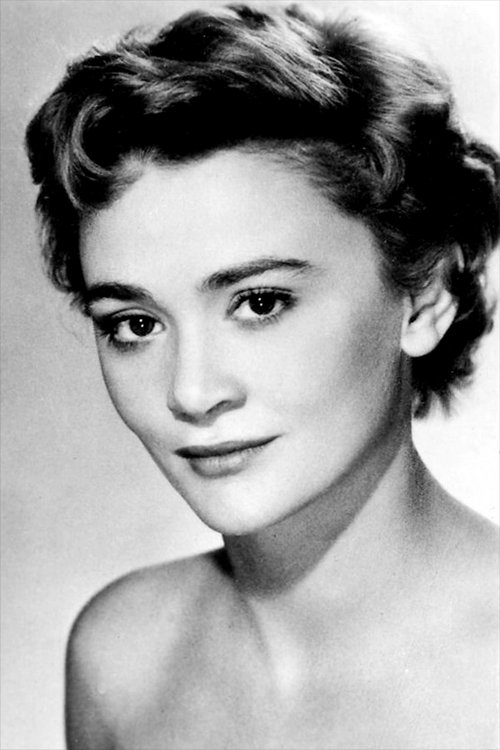
Gabrielle Danièle Marguerite Andrée Girard (9 October 1926 – 17 October 2015), known by her stage name Danièle Delorme, was a French actress and film producer, famous for her roles in films directed by Marc Allégret, Julien Duvivier or Yves Robert. Delorme was born in Levallois-Perret, Hauts-de-Seine, one of four children to the well-known painter, poster-maker and theater-designer André Girard and his wife Andrée (nee Jouan). Girard maintained a studio in Venice in 1936–37 and in Manhattan in 1938. Back in France he was not called up in 1939. After the Battle of France, M. Girard removed to Antibes, then a free-zone and set up a network which provided recruiting and spying work for the French resistance. It was during this time that young Delorme began her acting career. In 1940 at the age of 14 Delorme began acting and played a series of minor roles before she began acting in film. Two years later, owing to her father's contacts, she was able at 16 years old (at the time using the name Danièle Girard) to secure a bit part in The Beautiful Adventure (La Belle aventure (1942)). Two years later director Marc Allégret again used Delorme, this time in a large role. This time she performed on the stage name she would use for the rest of her career, Danièl Delorme. One story developed that she took the name in order to hide from the Gestapo her relationship to her father. But the suggestion came from character actor Bernard Blier, who performed with her in her second film to take the name from the heroine of Victor Hugo's play Marion Delorme. (Delorme would co-star with Blier two decades later in the philosophical courtroom criminal drama, The Seventh Juror (Le septième juré (1962)). During the first decade of her career Delorme played delicate, demure, bright young women, roles for which she was physically fitted. Her first husband Daniel Gélin, who also performed in The Beautiful Adventure, said she had "the face of a little girl, an upturned nose with passionate nostrils, the lips of a child, the body of a woman and a certain way about her that turns heads." Richard W. Seaver of the New York Times described her as "a winsome wisp of an actress, with her soft smile and grey eyes." These features landed her a breakthrough role in Miquette et sa mère (1949). In 1949, she also played the title role in Gigi (1949 film), before Leslie Caron's success in the same role in the American (musical) version (Gigi (1958 film)) . Also notable was her performance as femme fatale in Julien Duvivier's Voici le temps des assassin (1956) (Deadlier Than the Male in the US and Twelve Hours to Live in the UK), co-starring with Jean Gabin. In 1960 Delorme joined more than 140 intellectuals, teachers, writers and celebrities in signing a manifesto supporting the right of French conscripts to refuse military service in Algeria. As a result, the French government on 28 September issued a ban against all signatories from appearing on state-run radio or television or in state-run theaters. At the same time the information minister said that another cabinet order was in preparation that would deny government funding to any film project in which any signatory appeared. ... Source: Article "Danièle Delorme" from Wikipedia in English, licensed under CC-BY-SA.
Filmography Movies
Acting
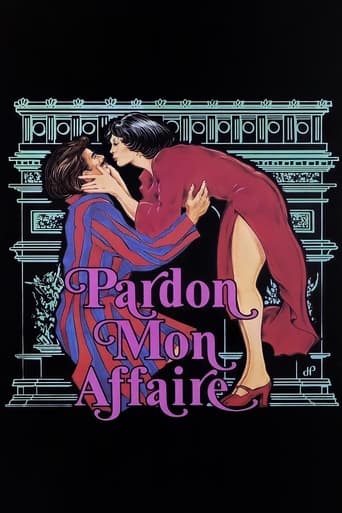
Pardon Mon Affaire
On an otherwise normal day, Étienne, a happily married man and a good father, sees something that stops him dead in his tracks: a gorgeous woman in a billowing red dress. Long after she has left his vision, her memory continues to haunt his mind. He falls instantly in love with her and tries everything to get to know her better. Helping Étienne snare his elusive lady in red are his three bumbling buddies, which all have secret affairs and/or cheat on their wives.
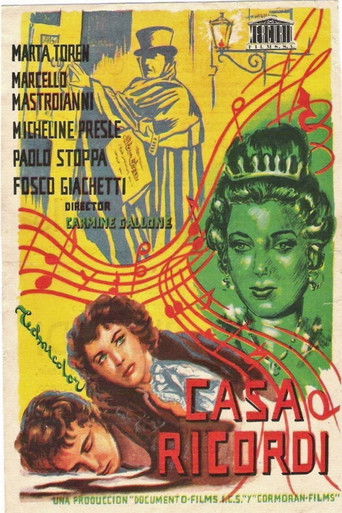
House of Ricordi
The film covers a hundred years in the lives of the Ricordi family, the Milan publishing house of the title, and the various composers and other historic personalities, whose careers intersected with the growth of the Ricordi house. It beautifully draws the parallel between the great music of the composers, the historic and social upheavals of their times, as well as the "smaller stories" of the successive generations of Ricordi.
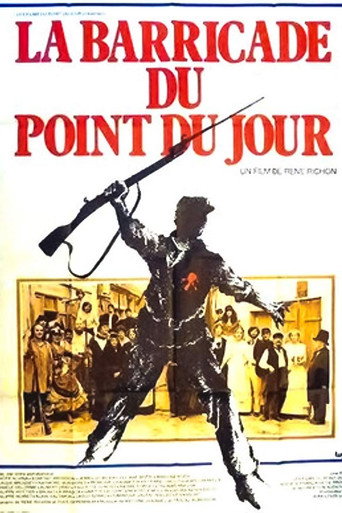
La Barricade du Point-du-Jour
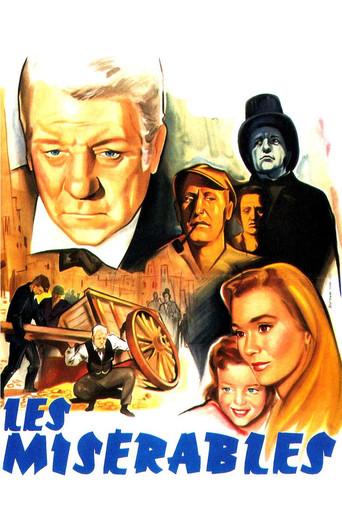
Les Misérables
In 19th century France, Jean Valjean, a man imprisoned for stealing bread, must flee a relentless policeman named Javert. The pursuit consumes both men's lives, and soon Valjean finds himself in the midst of the student revolutions in France.
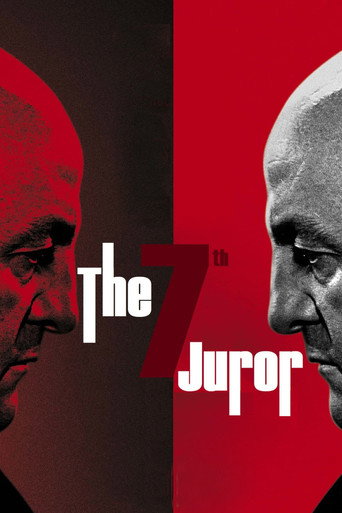
The Seventh Juror
In a moment of madness a middle-aged, married and respectable pharmacist kills a young woman who is sun-bathing by a lake. Unable to take in what he has done, he flees from the scene of the crime and behaves as if nothing has happened. Eventually her boyfriend is charged with the crime and, in a strange twist of fate, the killer finds himself serving on the jury.
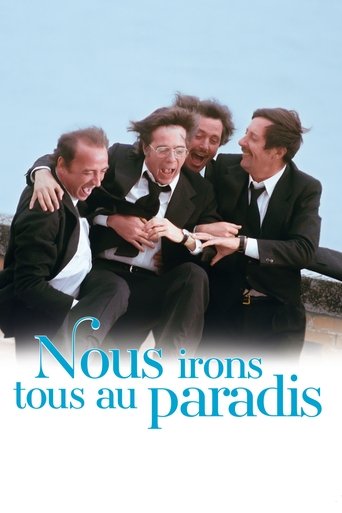
We Will All Meet in Paradise
Having fortuitously discovered a photograph in which Marthe embraces someone unknown, Étienne Dorsay becomes jealous and imagines various stratagems to identify the lover. In the meantime, he and his friends acquire a weekend house for a very low price.
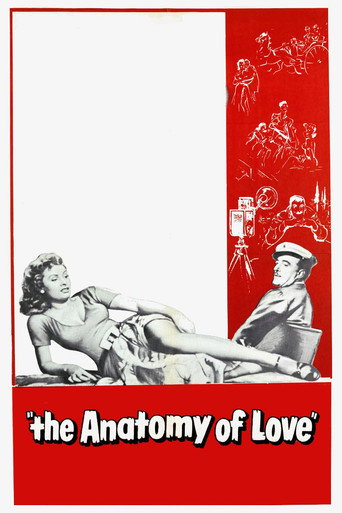
The Anatomy of Love
Nine episodes about life in Italy in the period just before its economic boom.
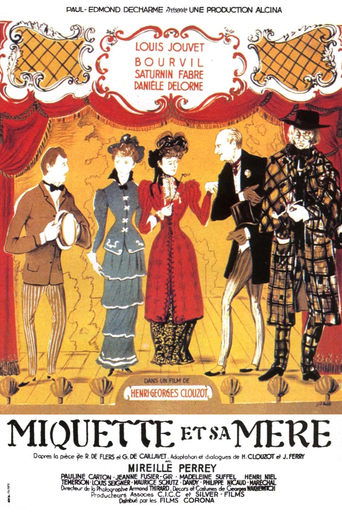
Miquette
A provincial ingenue leaves her mother’s tobacco shop with dreams of a life in the Parisian theater, only to become entangled in relationships with a lecherous aristocrat, his starry-eyed nephew, and an old ham actor.
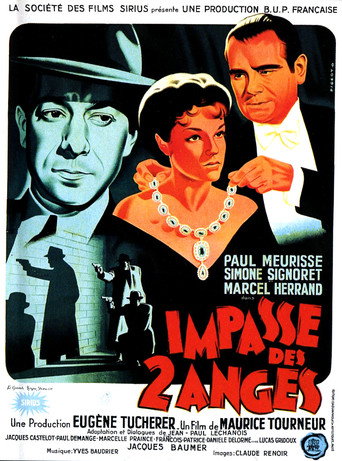
Impasse of Two Angels
Stage actress Marianne has decided to give up her career to marry wealthy nobleman Marquis Antoine de Fontaines. As a wedding present, Antoine gives his future wife a precious diamond necklace, which is coveted by a gang of crooks. Jean, one of them, is given the mission to approach Marianne and steal the necklace from her. The only trouble is that when he meets her, she recognizes him as the man she once loved.
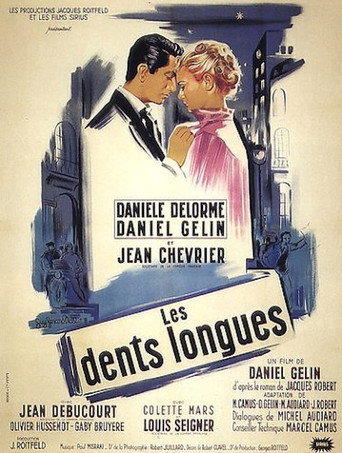
Les Dents longues
A young, talented and ambitious journalist, Louis heads off to try his luck in Paris. He's spotted by Walter, editor-in-chief for a major daily newspaper, who takes to him and furthers his career. What he doesn't realise is that Louis is ready to betray anyone to achieve his ends...
Production
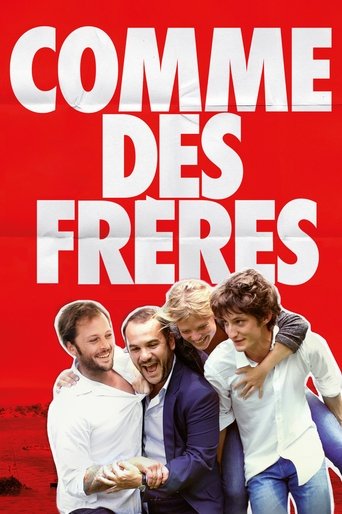
Just Like Brothers
Since Charlie is no longer there, the lives of Boris, Elie, and Maxime have been torn apart. These three men, who have nothing in common, all shared one thing: their love for Charlie. One loved her like a sister, one loved her like the woman of his dreams, one loved her like a friend. Except that Charlie is dead and none of them - not Boris, an accomplished businessman, not Elie, a night owl scriptwriter, and not Maxime, still living at home with his mother - know how to deal with it. But because she asked them to do so, they abruptly decide to undertake a journey together, heading for Corsica and the house that Charlie loved so much. Except that here they are stuck in a car together for over 500 miles. It's going to be a long journey. Boris, Elie and Maxime, three men, three generations, no affinity. But by the time they arrive at their destination, they will have realized one majorly important thing: Charlie has changed their lives forever.
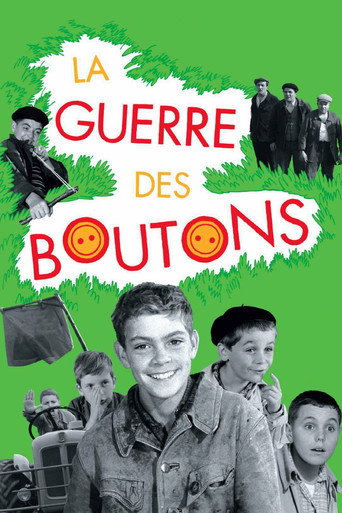
War of the Buttons
For generations, two rival French villages, Longueverne and Velrans, have been at war. But this is no ordinary conflict, for the on-going hostilities are between two armies of young schoolboys. When he is beaten by his father for having lost his buttons, the leader of the Longueverne army, Lebrac, has an idea which will give his side the advantage: next time, he and his brave soldiers will go in battle without their clothes...
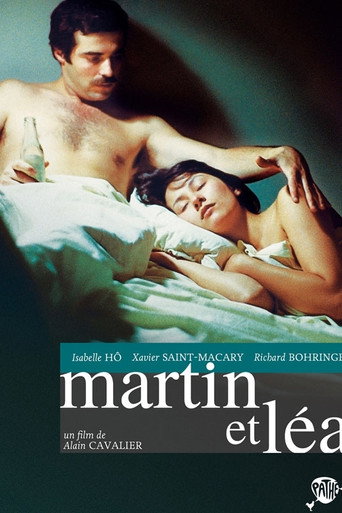
Martin and Lea
A loving couple Martin and Lea have some problems with each other too.
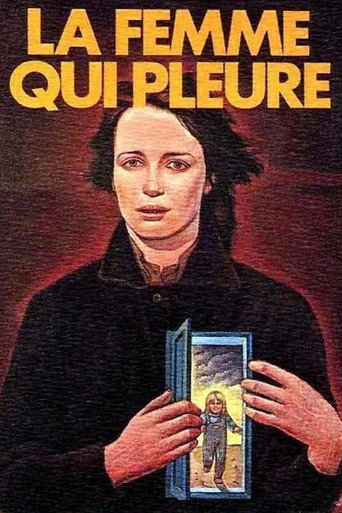
The Crying Woman
Jacques returns after a long absence to his wife Dominique and their daughter Lola in their isolated house, located on a hillside in Provence. Dominique is crouching and crying. She had asked Jacques to go because she could not stand him seeing her crying. Jacques powerlessly witnesses the excesses of Dominique's emotions. She understands that he loves another woman, and ousts him again...
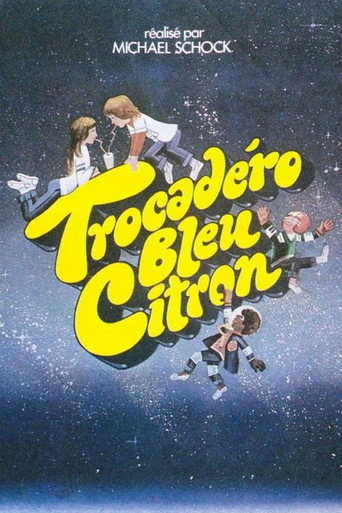
Trocadero Lemon Blue
Ten years old Phil who is living with his mother and likes skateboarding with his friends has fallen in love with a girl of his age.
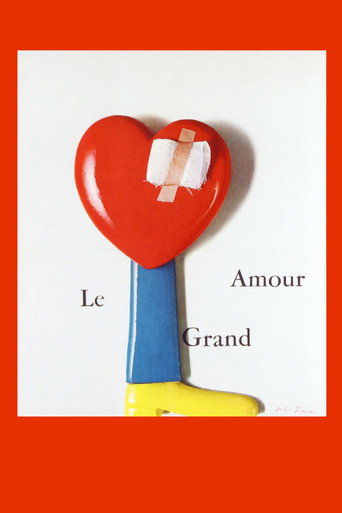
Le Grand Amour
Pierre married Florence, the only daughter of a small industrialist. 15 years later, he is the boss, but his middle-class life worries him a lot. When a new young and lovely secretary comes, he starts dreaming.
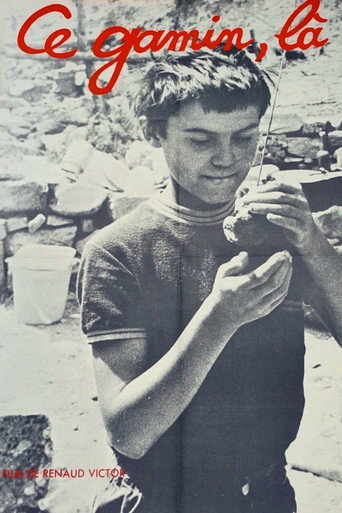
That Kid
A group of educators led by Fernand Deligny are working to create contact with autistic children in a hamlet of the Cevennes.
L'Été 36
In 1936, the life of the inhabitants of a Breton manor is disturbed by the arrival of workers on vacation.
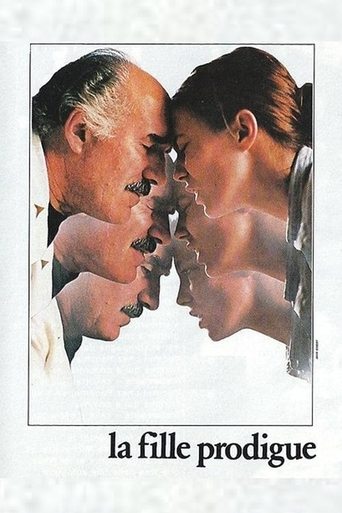
The Prodigal Daughter
A young woman in a deep depression leaves her husband and returns to her parents. She discovers her father is having an affair, becomes jealous of his mistress and tries to turn his feelings in her direction.
Gallery