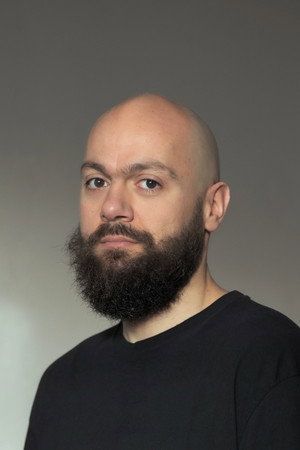
Dane Komljen Movies, TV Shows, and Filmography

Dane Komljen
Directing
Biography
Dane Komljen, born in 1986 in Banja Luka. He made three feature films, Desire Lines, Afterwater and All the Cities of the North, one documentary, The Garden Cadences, and numerous shorts exploring notions of body, space, utopia and being together.
Filmography Movies
Acting
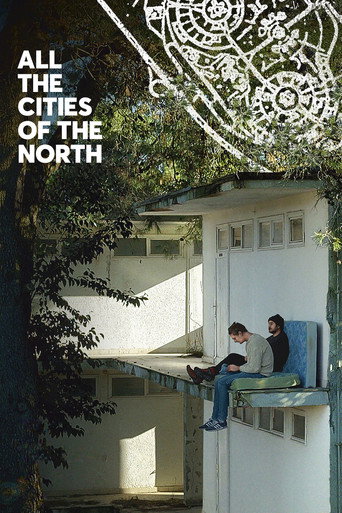
All the Cities of the North
It’s like almost all is lost. Yet still they are here – abandoned bungalows, an artificial lake, dirty plastic bottles, lost donkeys and stray dogs, draining pipes running over fields of salt, deserted factories, statues of revolutionaries, concrete playgrounds covered with weeds, rotten fruit, folded T-shirts, pop songs, decades of forgetting, a single room with a blue tent inside. And it felt like a kiss.
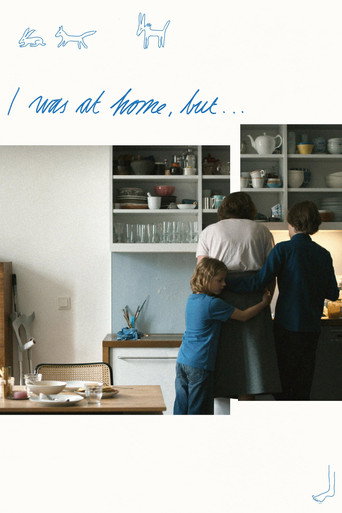
I Was at Home, But...
After a 13-year-old student disappears without a trace for a week and suddenly reappears, his mother and teachers are confronted with existential questions that change their whole view of life.

The Pursuit
Bosnian short film about some people and their problems in the city.
Production
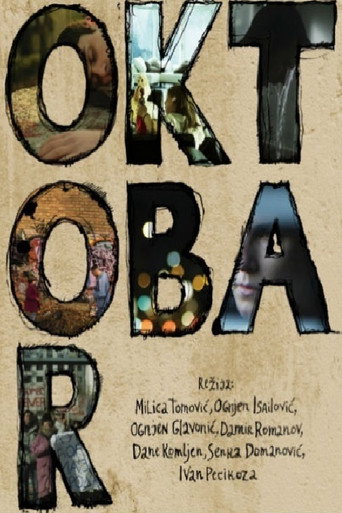
October
Through the intimate stories of seven young directors, October is the generational attitude towards Serbia today, shown in different perspectives and through different genres - from black comedy to melodrama, poetic portrait to the socially engaged horror. Motif that binds all of the stories together is the tenth anniversary of the democratic revolution. Each film is taking place on that day, 5th of October in 2010, and each film is differently related to the anniversary and what that event means 10 years after. The film brings fresh visions of the seven young directors who were teenagers at the time of the overthrow of president Milosevic and his regime. On a personal and emotional way they show a complex picture of modern Serbia.
Project
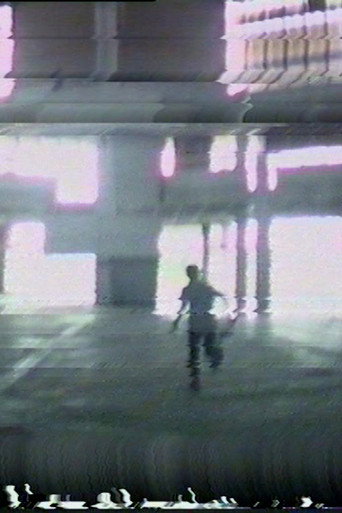
Forty-six years after its completion, the International Trade Fair Complex in Lagos, Nigeria, lies waterlogged and in disrepair, its modernist concrete pavilions flooded and overgrown with vegetation, and its shopping stalls and convention centers now serve as makeshift workshops, bike repair stalls, and playgrounds. Shooting in a soft-edged standard-definition video, Komljen observes the complex’s grounds with equanimity and warmth, marking both its history as a former utopian project and its present-day vernacular uses.
Project
Forty-six years after its completion, the International Trade Fair Complex in Lagos, Nigeria, lies waterlogged and in disrepair, its modernist concrete pavilions flooded and overgrown with vegetation, and its shopping stalls and convention centers now serve as makeshift workshops, bike repair stalls, and playgrounds. Shooting in a soft-edged standard-definition video, Komljen observes the complex’s grounds with equanimity and warmth, marking both its history as a former utopian project and its present-day vernacular uses.
Our Body
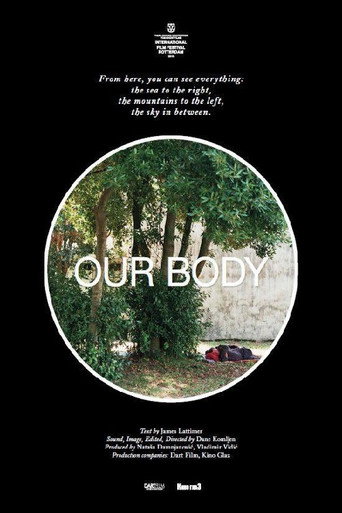
From here, you can see everything: the sea to the right, the mountains to the left, the sky in between.
Our Body
From here, you can see everything: the sea to the right, the mountains to the left, the sky in between.
The Garden Cadences
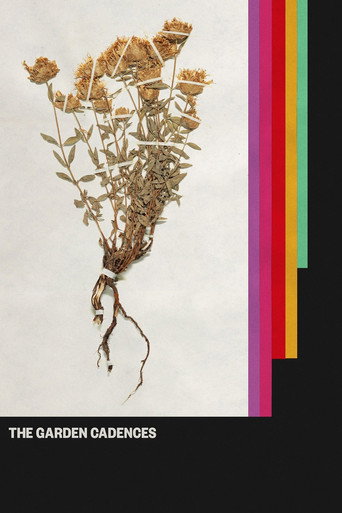
Jone is ready to fly. She finds herself at the beginning of something new, but before she moves on, there needs to be a closure. Jone is one of Mollies, the queer-feminist collective that had been living for a decade at a trailer park next to Ostkreuz, Berlin.
The Garden Cadences
Jone is ready to fly. She finds herself at the beginning of something new, but before she moves on, there needs to be a closure. Jone is one of Mollies, the queer-feminist collective that had been living for a decade at a trailer park next to Ostkreuz, Berlin.
The Garden Cadences
Jone is ready to fly. She finds herself at the beginning of something new, but before she moves on, there needs to be a closure. Jone is one of Mollies, the queer-feminist collective that had been living for a decade at a trailer park next to Ostkreuz, Berlin.
All the Cities of the North
It’s like almost all is lost. Yet still they are here – abandoned bungalows, an artificial lake, dirty plastic bottles, lost donkeys and stray dogs, draining pipes running over fields of salt, deserted factories, statues of revolutionaries, concrete playgrounds covered with weeds, rotten fruit, folded T-shirts, pop songs, decades of forgetting, a single room with a blue tent inside. And it felt like a kiss.
All Still Orbit
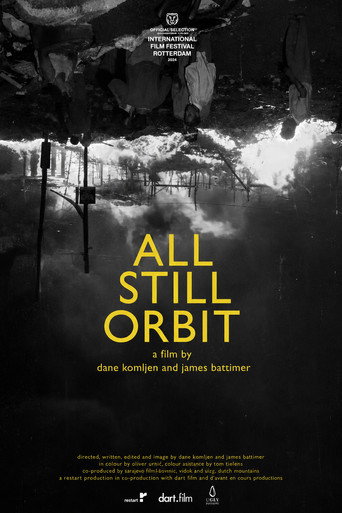
A breathtaking quest for the dream the imposing city of Brasilia was based on, a marked contrast with the chaos of the adjacent construction workers' village. Everything about Brasilia was devised and designed, but not on the basis of some cold urban design concept: the plan proves to originate from 19th-century priest Don Bosco’s dream. The chaos and disorder of the adjacent construction workers' village Vila Amauri long stood in stark contrast to the grandeur and majestic regularity of Brasilia. Now the village has disappeared beneath the reservoir’s surface, the necessary order has been restored. All Still Orbit examines both these histories.
Gallery