Sound
No biography available.
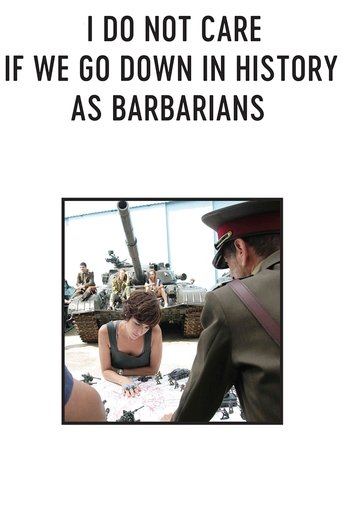
"I do not care if we go down in history as barbarians." These words, spoken in the Council of Ministers of the summer of 1941, started the ethnic cleansing on the Eastern Front. The film attempts to comment on this statement.
Marian Crișan's film presents the actions of a "young and restless" woman, set out to avenge her lover's infidelity.
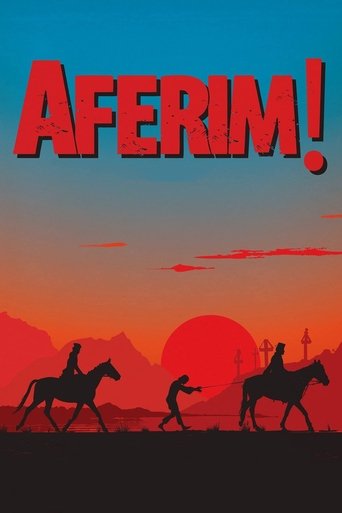
Set in early 19th century Wallachia, Romania, a policeman, Costandin, is hired by a nobleman to find a Gypsy slave who has run away from his estate after having an affair with his wife.
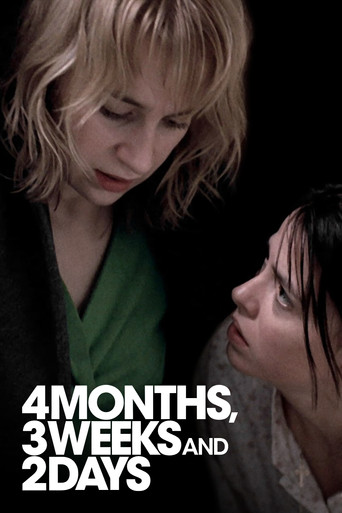
Two college roommates have 24 hours to make the ultimate choice as they finalize arrangements for a black market abortion.
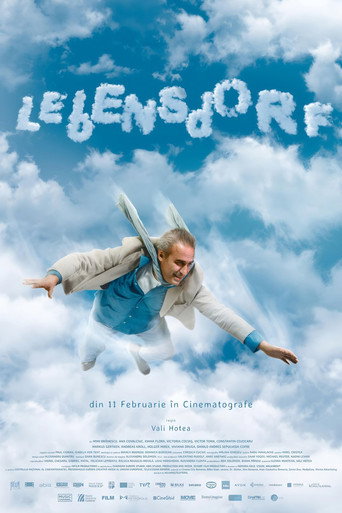
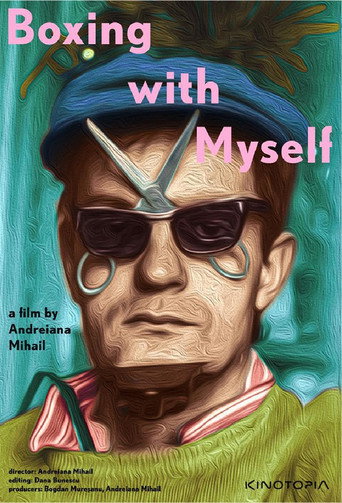
Ducu is a a 45-year-old Romanian writer facing a midlife crisis. He leaves Bucharest to be part of a creative residence in Berlin and in an attempt to rebuild his life. He swings between two countries and two women: Andra, his hot-tempered wife, who wants a divorce, and Giulia, Ducu's love from his youth, who lives in an eco-village in Germany - Lebensdorf. Looking for an answer, he goes through a series of strange, funny and even eye-opening events.
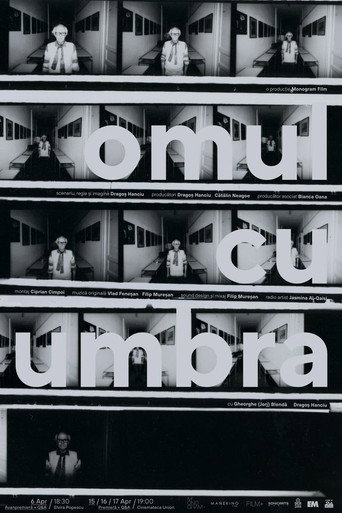
Gheorghe Blondă is the analog film laboratory technician from the National Film University of Bucharest. Under the pretext of modernizing the university, he is to be replaced and have his life-long career end. With the filming taking place at the same time as the anti-corruption protests in 2017, Romania, the film brings to light the ways in which the university, a public institution, mirrors the autorities that rule the country. Despite the leading board of the university claiming that it's a natural technological transition, Gheorghe's struggle to keep his job becomes a matter of life or death.
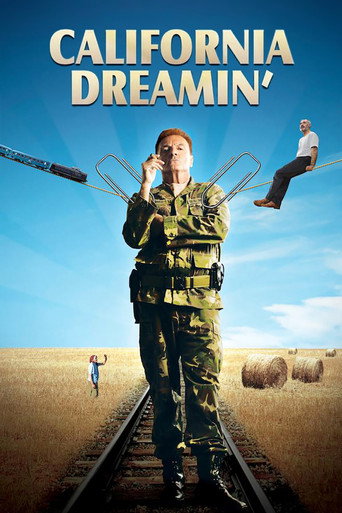
1999. Kosovo War. In a small Romanian village, the chief of the railway station, who also happens to be a local gangster, stops a NATO train transporting military equipment. Their arrival in this small village dramatically changes its landscape.
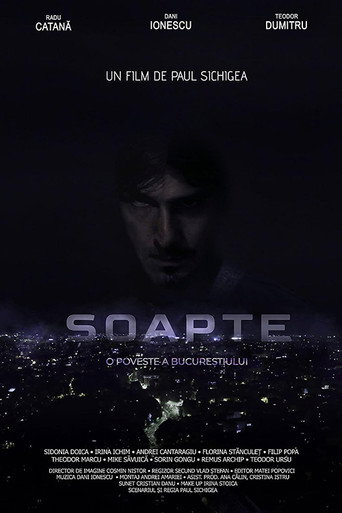
In a Bucharest terrorized by a serial killer, a chief commissioner from Crime Division takes over the case and develops an obsession with it.
The film follows the life and work of Romanian visual artist ION GRIGORESCU, one of the pioneers of experimental art in Europe. The film discusses our evanescent existence, morality, and spirituality and interrogates the possible extent of the inglorious recollection of our own biography.
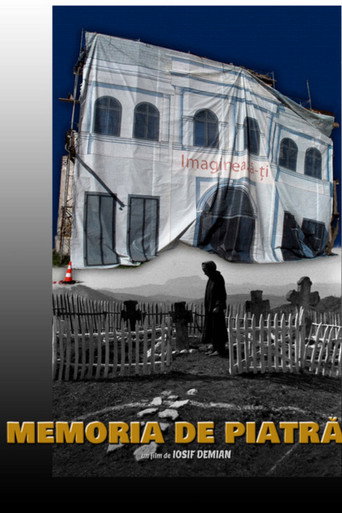
Iosif Demian returns forty years later to Rosia Montana, the place where two memorable films of the Romanian cinema have been shot: "Nunta de piatra" and "Duhul aurului" for which he signed the cinematography.
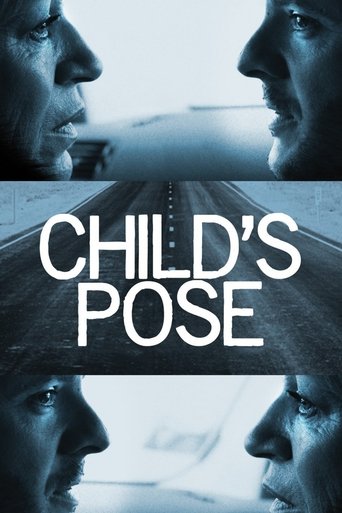
Child's Pose is a contemporary drama focusing on the relationship between a mother and her 32-year-old son. After the accidental killing of a boy in a car crash, the mother tries to prevent her son being charged for the death, and she refuses to accept that her son is a grown-up man.
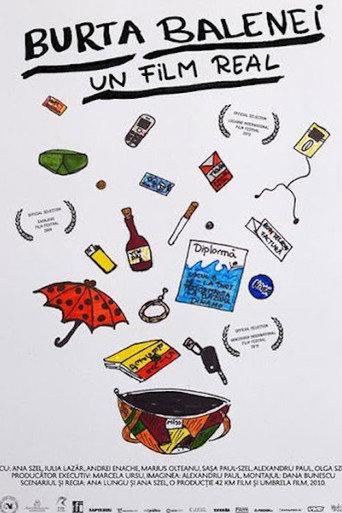
Ana is 30 years old and lives with her parents. As her ex-husband takes their daughter and her nagging mother to the countryside, she prepares for a laidback evening with her friends. Soon she comes to realize she lost her cell phone which prevents her from receiving a much awaited call from her previous night's stand. Her friends, Iulia, Andrei and Marius, arrive and try to watch a movie. The screening is frequently interrupted by an increasingly annoying and rather absurd dialogue that takes place between the thief/finder of the cell phone and Ana.
Robinson is a doctor and unlike Robinson Crusoe, his solitude is voluntary but his island in the Mediterranean Sea is invaded by migrants, NGOs, guards. Friday is a castaway, the only one from his boat to have survived when sailing from Africa to Italy. During his strolls on the island, Robinson confronts his own solitude by keeping a diary - that works like augmented reality - filled with extraordinary beings and events, which both fill and trouble his daily life.