Sound
No biography available.
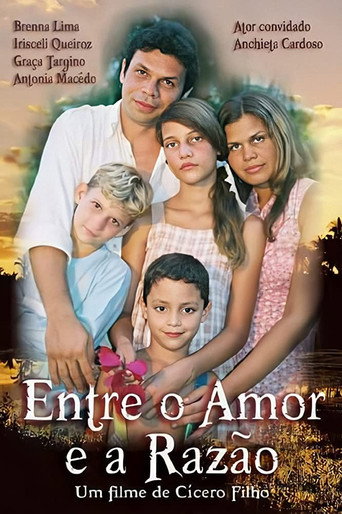
In a small city in northeastern Brazil, a poor family goes though many hardships and pains while seeking a better life.
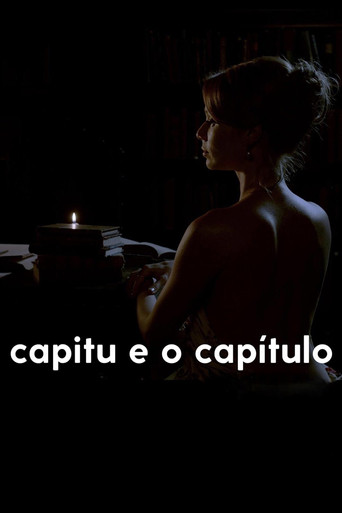
“If you had to choose between me and your mother, who would it be?” Capitu asks provocatively of her problematic lover. Elsewhere, they dance to inaudible music with their friends, each couple keeping to a rhythm of their own. At times, this depiction of the memories we see one Dom Casmurro commit to paper with a flamboyant pen seems to be an interplay of conflicting emotions – particularly when jealousy raises its head. Adapted from the Brazilian classic novel 'Dom Casmurro' (1899) by Machado de Assis as an ironic/philosophical essay on poetry and jealousy, and featuring fragments of Bressane’s previous works.
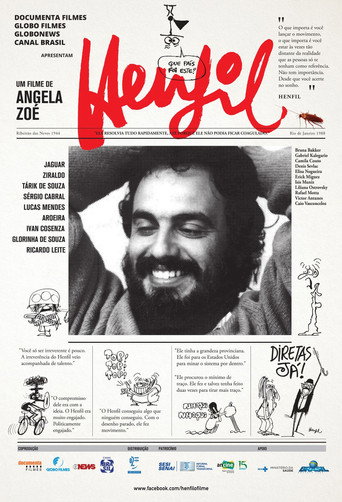
The documentary will reveal parallel narratives that present the life of the cartoonist and activist, Henrique de Souza. The film explores a movement of discovery of the character next to the young people from a class of animators who tries to bring the work of Henfil to the present days. In addition to the findings from friends' testimonies, revelations about how the artist used his drawings as a device to "dribble" political censorship and also as a resource for dealing with his fragile health, caused by hemophilia, and expose your creative restlessness.
Brazilian short film, directed by Julia Murat.
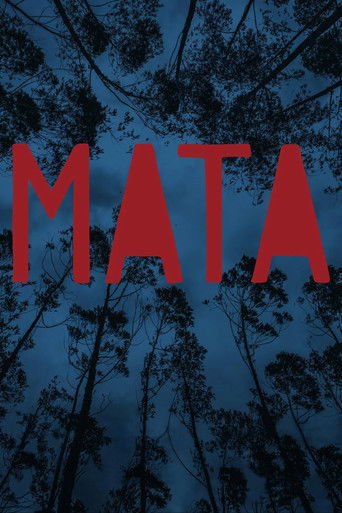
Faced with the advancement of eucalyptus plantations, a farmer and an indigenous community stand as resistance and reveal the impact of monoculture on the environment, in contrast to traditional ways of life. The enemy can also be green.
Birth, life and death of a carnival sculpture. Linked to the mythology of the Orixás, a metaphor of creation based on the Babalotim doll, a boy idol who has lived through many carnivals.
Gatto and Barbot are lifelong companions for more then 40 years and have just moved to a big decayed and abandoned building downtown Rio de Janeiro, where they start to live and promote their dance company rehearsals. The difficulties of everyday life are merged to artistic creation and to their belief in the Orishas gods. Through dance they spread through the city, occupying their territories.
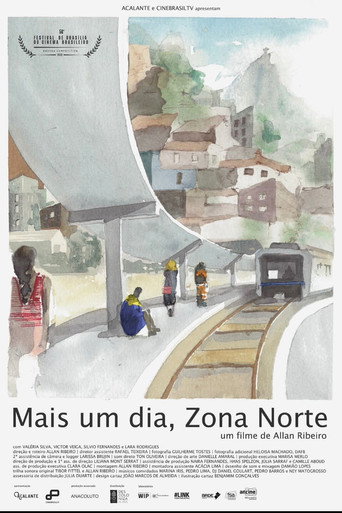
Workers on the outskirts of Rio de Janeiro are experiencing moments of transformation in their routines. An instant of dreams, fantasy and escape from reality as a counterpoint to the sameness of everyday life.
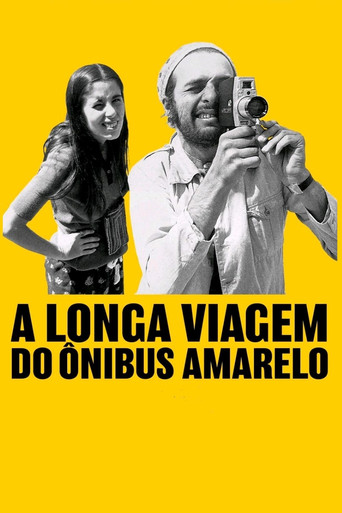
For this behemoth, Bressane took his opera omnia and edited it in an order that first adheres to historical chronology but soon starts to move backwards and forward. The various pasts – the 60s, the 80s, the 2000s – comment on each other in a way that sheds light on Bressane’s themes and obsessions, which become increasingly apparent and finally, a whole idea of cinema reveals itself to the curious and patient viewer. Will Bressane, from now on, rework The Long Voyage of the Yellow Bus when he makes another film? Is this his latest beginning? Why not, for the eternally young master maverick seems to embark on a maiden voyage with each and every new film!