Dalida Movies, TV Shows, and Filmography

Dalida
Acting
Biography
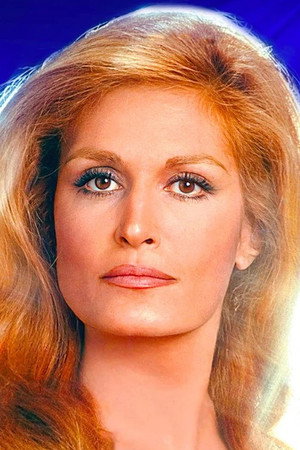
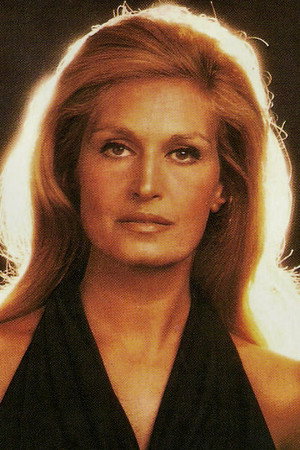
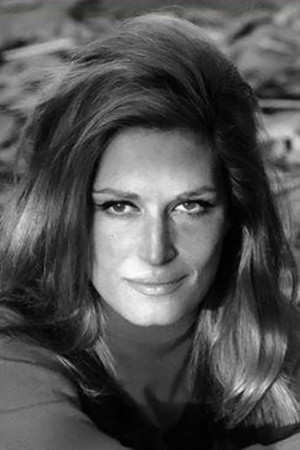
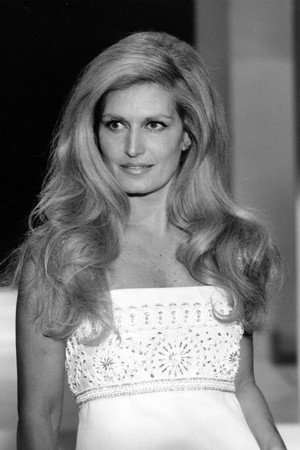
Iolanda Cristina Gigliotti (17 January 1933 – 3 May 1987), professionally known as Dalida, was an Italian naturalized French singer and actress. Leading an international career, Dalida has sold over 140 million records worldwide. Some of her best known songs include "Bambino", "Ciao amore, ciao", "Gigi l'amoroso", "Il venait d'avoir 18 ans", "Laissez-moi danser", "Salma ya salama", "Helwa ya baladi", "Mourir sur scène", and "Paroles, paroles" featuring spoken word by film star Alain Delon. Initially an actress, she made her debut in the film A Glass and a Cigarette by Niazi Mustapha in 1955. A year later, having signed with the Barclay record company, Dalida achieved her first success as a singer with "Bambino". Following this, she became the top-selling recording artist in France between 1957 and 1961. Her music charted in many countries in Europe and Latin America. She collaborated with singers such as Julio Iglesias, Charles Aznavour, Johnny Mathis and Petula Clark. Although she made a few films during her career as a singer, she effectively reconnected with cinema with The Sixth Day, a film by Youssef Chahine released in 1986. In France, although the film was hailed by critics, it was a commercial failure. Dalida was deeply disturbed by the suicide of her partner Luigi Tenco in 1967. Despite this, she forged ahead with her career, forming the record label International Show with her brother Orlando, recording more music and performing at concerts and music competitions. After struggling with bouts of depression for many years, Dalida killed herself by drug overdose on 3 May 1987. Dalida was born Iolanda Cristina Gigliotti in Cairo, Kingdom of Egypt, on 17 January 1933. Her father Pietro Gigliotti (1904–1945) and mother Filomena Giuseppina (née d'Alba; 1904–1971) were both born in Serrastretta, Calabria, Italy, and were then taken by their emigrant parents to Egypt. Pietro studied music at school and played the violin in taverns; Giuseppina was a seamstress and homemaker. By birth, Dalida automatically gained Italian nationality through jus sanguinis of both Italian parents. It has been suggested that Dalida had Jewish roots, with her family's hometown of Serrastretta having been founded by Spanish Jews and her grandfather Enrico reportedly being of Algerian Jewish ancestry. The year they were married, the Gigliottis settled in the Shubra district of Cairo, where, between the births of Iolanda's older brother Orlando (1930–1992) and younger brother Bruno (1936), the Gigliotti family became well established in the community. In addition to earnings from Giuseppina's work, their social status benefited when Pietro became primo violino at Cairo's Khedivial Opera House, and the family bought a two-storey house. ... Source: Article "Dalida" from Wikipedia in English, licensed under CC-BY-SA.
Filmography Movies
Acting
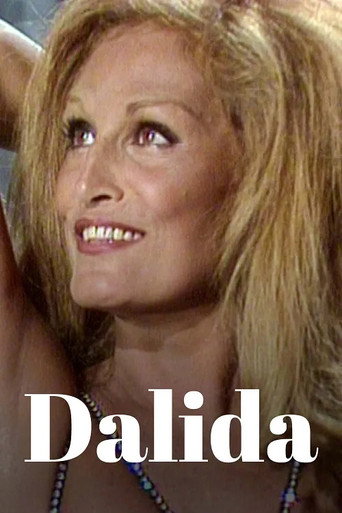
Dalida Forever!: The Greatest Hits Over 40 Years
Beyond her enormous stage presence, Dalida (1933-1987) was an exceptional musical phenomenon: she was convincing in the most diverse genres, from chanson to disco to world music and Schlager, and sang in a total of twelve languages. Like hardly any other artist, she adapted to her respective audience and was thus able to achieve worldwide popularity. This show revisits her greatest hits and thus becomes a musical border crossing and voyage of discovery that will bring us closer to Dalida in all her musical and linguistic facets for the first time.
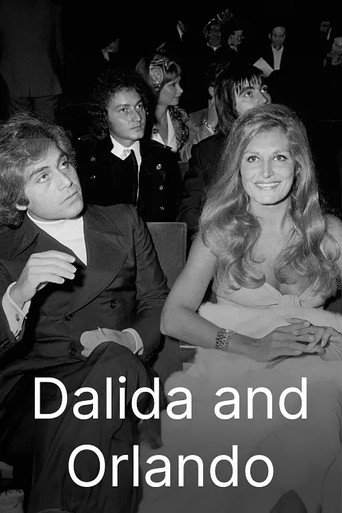
Dalida & Orlando: Brother and Sister Forever
Dalida was an international star, selling over 140 million records in 10 languages. But behind her glittering career and dramatic and tragic personal life, was her ever supportive younger brother Orlando. The documentary sheds light on the professional and personal relationship between the music icon and her producer, between sister and brother.
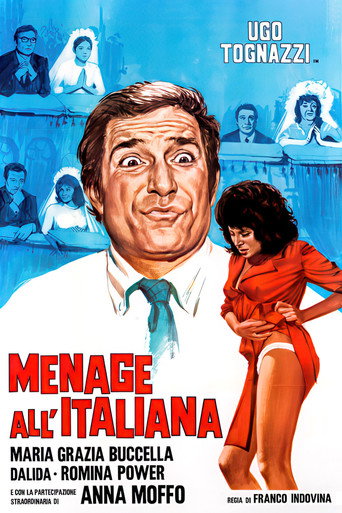
Menage Italian Style
In Italy in the 60's it is difficult to get a divorce. Carlo gets a visit from his Swedish wife, but he is already remarried. Every time he meets a new woman, he vanishes away from the last wife.
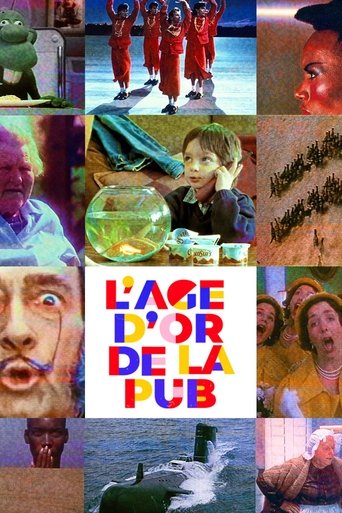
L'Âge d'or de la pub
55 years ago, on October 1 1968, the first brand advertising spot appeared on the French television screen. Over the next three decades, thousands of creative little films would seduce and build our collective memory. Kitschy or cult spots, humor, slogans, music, stars, gimmicks, grand spectacle or sex appeal: during its golden age, how did advertising convince? Thierry Ardisson has brought together almost 400 advertising clips to relive the era of the conquest of minds and wallets.
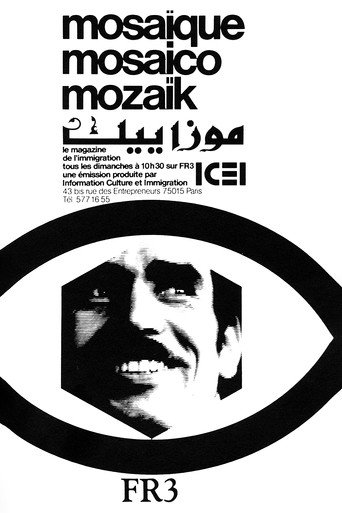
Mosaïque
Broadcast from 1977 to 1987 on FR3, every Sunday morning, for 1h30, Mosaïque is a variety show with a set where music groups from the countries of origin of immigration perform, and which broadcasts reports on these countries and on immigrants who live in France. When it was created, it aimed to promote the cultures of origin of immigrants, but also to make them better known to the rest of the population. However, the program was never financed by public television which considers that it was aimed at a specific audience and was therefore not part of a public service mission. It received financial support from the Ministry of Labor, through its subsidy to the National Office for the Cultural Promotion of Immigrants, ONPCI (later becoming Information Culture and Immigration, ICEI, in 1977, then Agency for the Development of Intercultural Relations , ADRI). , in 1982).
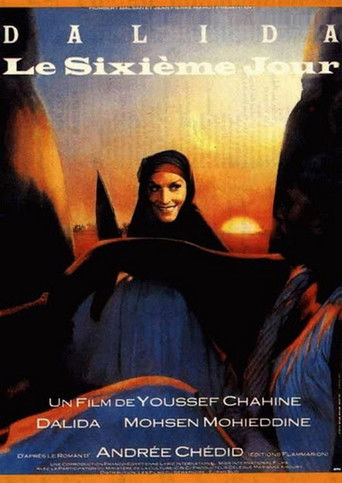
The Sixth Day
Egypt, 1947: in the midst of a cholera outbreak. A washerwoman tries to take care of her family, while at the same time resisting the advances of a charming suitor who's half her age.
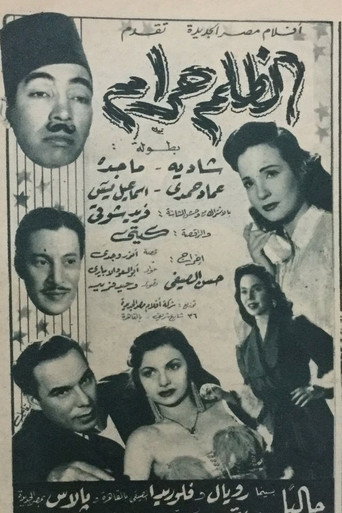
El-Zolm Haraam
Samira and Huda are sincere best friends. Samira falls in love with Farid, who deceives her and impregnates her, he extorts and threatens to blackmail her after finding out that she is going to marry a rich young man, who is her friend, Huda, brother.
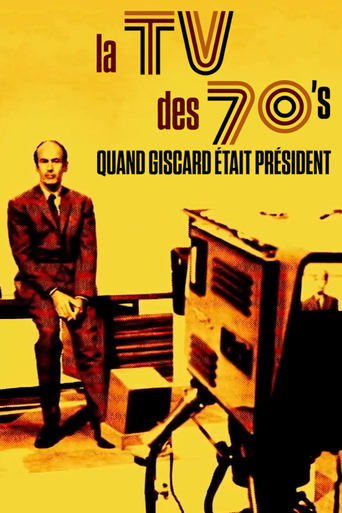
La TV des 70's : Quand Giscard était président
In May 1974, Valéry Giscard d'Estaing became President of the Republic and wanted to bring about a new era of modernity. One of his first decisions was to break up the ORTF with the creation of three new television channels: TF1, Antenne 2 and FR3. Three new public channels but autonomous and competing. It is a race for the audience which is engaged then, and from now on the channels will make the war! This competition will give birth to a real golden age for television programs, with variety shows in the forefront. The stars of the song are going to invade the living rooms of the French for their biggest pleasure. This unedited documentary tells the story of the metamorphosis of this television of the early 1970s, between freedom of tone, scandals, political intrigues and programs that have become mythical.
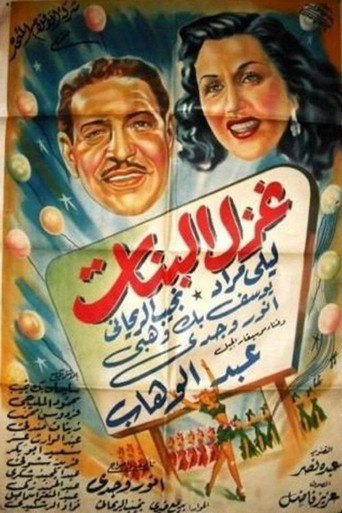
The Flirtation of Girls
Hamam is a poor Arabic language teacher who gets sacked from a girls' elementary school for not being able to control mischievous students. He feels pessimistic about everything in life,but his freind,an employee working for a pasha finds him a job as a private teacher for his only daughter Laila in order to help her pass an exam. Laila treats Hamam like a friend and helps him to appreciate life and enjoy its qualities,and the man soon is drawn to her.
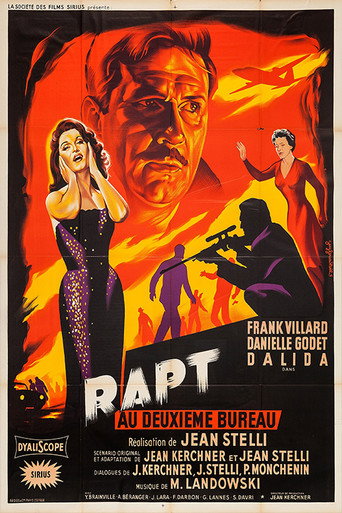
Operation Abduction
The Secret Service abducts a "rocket scientist" to better protect him against gangsters acting for Chinese agents.
Production
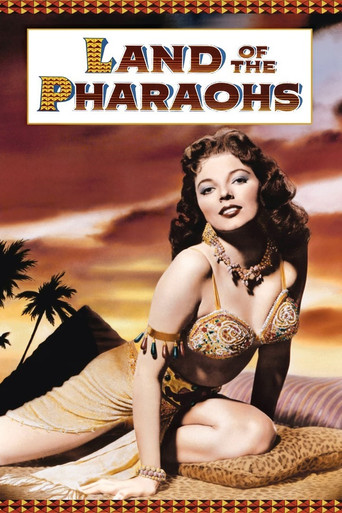
Land of the Pharaohs
A captured architect designs an ingenious plan to ensure the impregnability of the tomb of a self-absorbed Pharaoh, obsessed with the security of his next life.
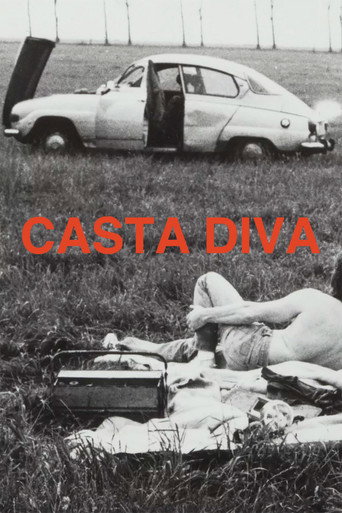
Casta Diva
In a series of long held shots, men are observed performing simple tasks in real time, while on the soundtrack we hear excerpts from opera.
Gallery