Directing
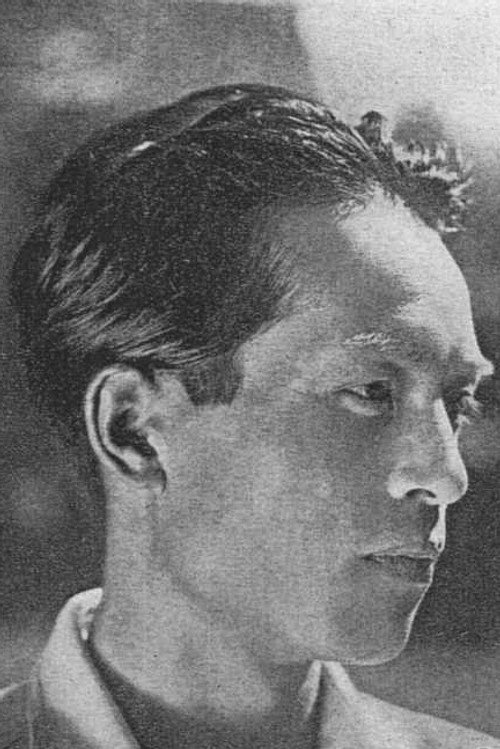
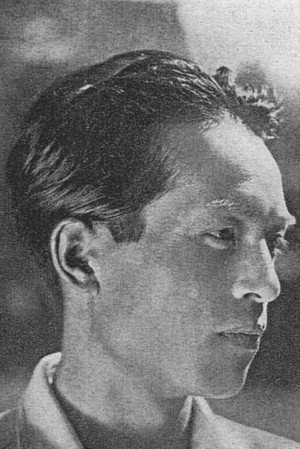
Daisuke Itō (伊藤 大輔) was a Japanese film director and screenwriter.
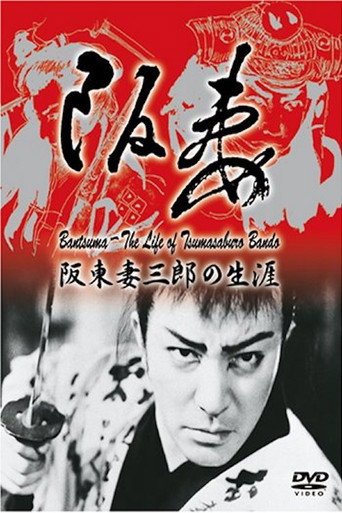
A biographical documentary produced as part of the 20th anniversary project of the silent film appreciation society led by Shunsui Matsuda, who was known as a silent film narrator, film collector and exhibitor. The film features interviews with directors and related parties involved in the production while inserting scenes from period dramas starring Tsumasanburo Bando throughout from Matsuda’s extensive collection. Completed in 1980 but not released to the general public until 1993 on the 40th anniversary of Bando’s death and Matsuda’s seventh anniversary.
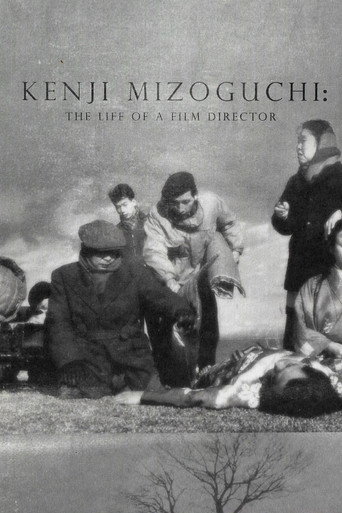
In 39 interviews with actors and actresses, writers, producers and staff members, interspersed with film excerpts and stills, Shindō recounts the life and career of his friend and mentor Mizoguchi.
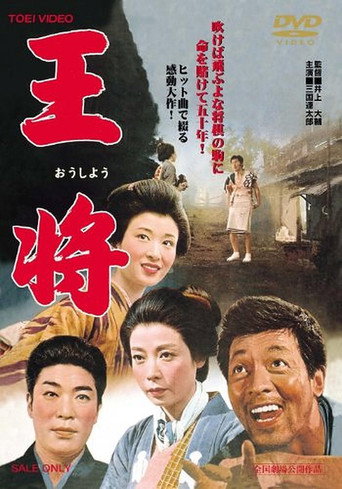
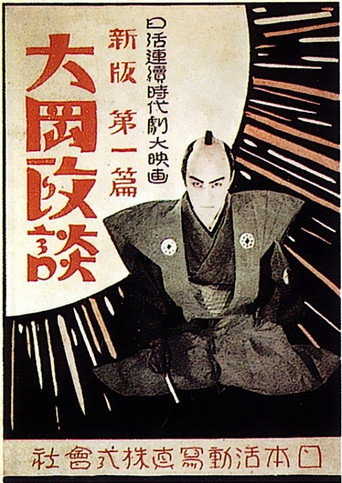
The film takes place at the junction of the two eras of Meiji and Taisho. Sakata Sankichi, an uneducated zori sandal maker, becomes a professional shogi player through his genius shogi skills and lives a fanatically devoted shogi game supported by the love of his family. This is the 3rd adaptation of Hideji Hojo's famous play.
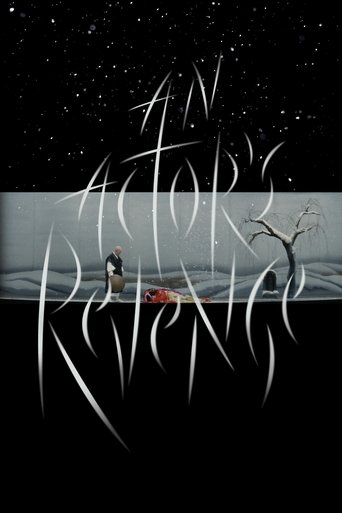
In Edo Japan, a kabuki actor seeks revenge against the three men who drove his parents to their deaths years ago.
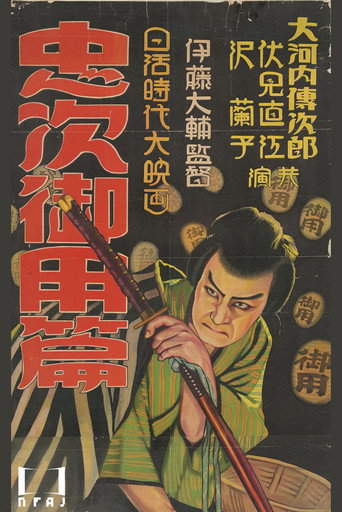
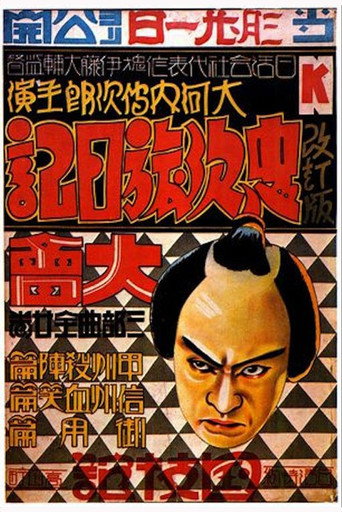
The Japanese equivalent of penny dreadfuls glorifying Jesse James, A Diary of Chuji’s Travels gives a unique gloss to the tale of Chuji Kunisada, the legendary bakuto (or gambler, the precursors to modern-day yakuza). One of the two remaining segments of Ito’s original four-hour trilogy, it depicts Chuji’s attempt to save the geisha Oshina, a rebellion against the rigid social structure of Edo Japan. With socialist overtones, it’s a passionate artifact of early Japanese film.
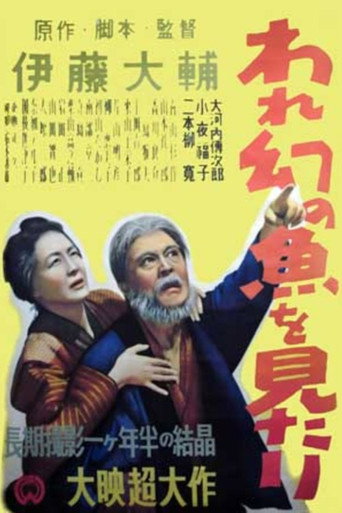
A village struggles to survive when the nearby lake becomes barren of fish.
Silent Japanese film.
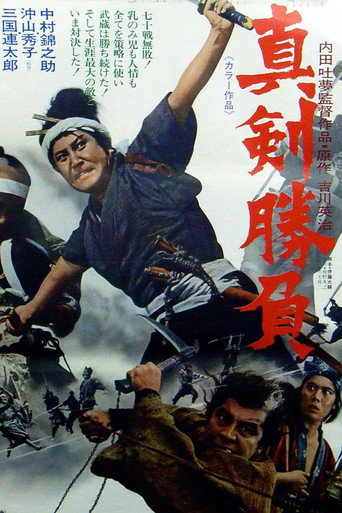
In the sixth and final episode Rentaro Mikuni steals the show as Baiken Shishido, Musashi's nemesis. Mikuni is the nominal villain of the film, but he is a devoted husband and father as well. He tries to kill Musashi only to avenge the death of his brother-in-law. While Baiken (who wields a chain and sickle against Musashi's sword) is a very human character and the emotions that Mikuni displays in his performance are quite believable and engaging
A Diary of Chuji's Travels is a silent Japanese jidaigeki made in 1927 starring Denjirō Ōkōchi and directed by Daisuke Itō. It was originally released in three parts, all of which were long thought to be lost until portions of the second part and much of the third part were discovered and restored in 1991. Since the film had once been voted in a 1959 Kinema Junpō poll as the best Japanese film of all time, its discovery was significant. At the time of its release, Itō was the leader of a new style of samurai films that featured outlaw heroes and fast-cut sword fighting scenes.
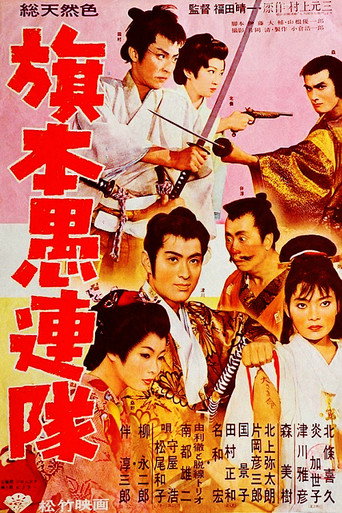
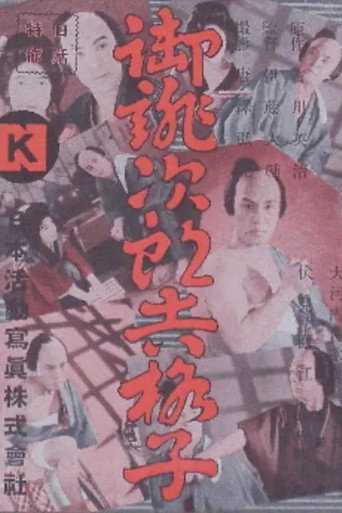
Jirokichi the Rat is wanted in Edo for robbing the mansions of the rich. While on the run, he falls for Osen, a girl who has been sold to a brothel by her criminal brother, Nikichi. When he goes to find Nikichi, Jirokichi immediately falls for Okino, a poor girl who is also under threat from Nikichi.