Directing
No biography available.
Reconstructions of unrealized Hungarian films in cooperation with the greatest Hungarian film directors.
1956. Bébé is a painter, but he has not worked for years. The news arriving form Paris about the death of his childhood friend, Halász Petár affects him deeply, but his reflections are continually disturbed by telephone calls: the Alliance for Fine Arts wants to purchase one of the popular self-portraits of Halász.
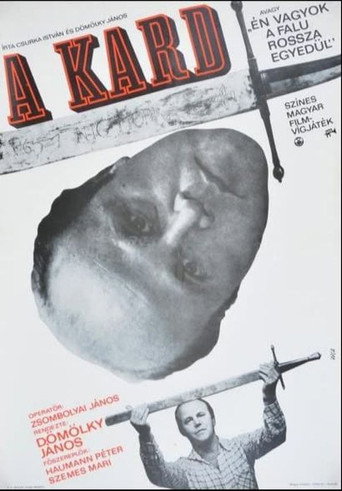
The ruined castle is inhabited by architects who, feeling the spirit of the place, want to direct the modernization of the settlement below the castle from here. Despite the residents' protests, the architects want to make the people happy by force.
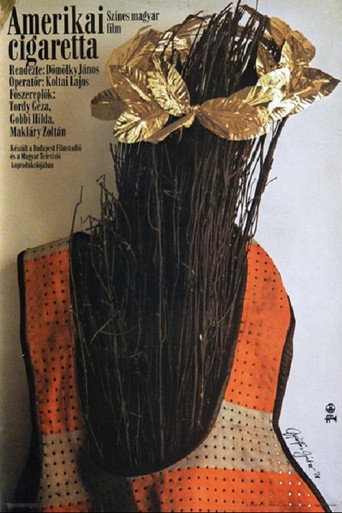
The satiric film is a dramatic-ironic picture of the Hungarian intellectuals in the seventies. Ebes, whose art has been awarded for its merits conglomerating folk features with modernity, can hardly believe that from his parents, old friends, and the sons of the people he did not even receive a telegram of congratulation.
A governor of Tsarist Russia throws a punch at striking workers. Many die as the governor looks on dutifully. From that moment on, he feels he has sinned against the people and expects to be killed too. Despite all the precautions taken by the chief of police, the governor cannot escape his fate, an eye for an eye, a tooth for a tooth - the principle of talio is fulfilled.
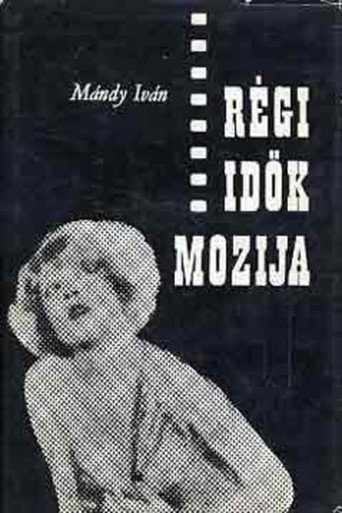
The film brings to life the stars of cinema of yesteryear, heart-wrenchingly poignant or even comic scenes, and in the shades that emerge, worlds are built and collapsed. The cinema auditorium, the auditorium, the ground floor, the hotel room, are the setting for special atmospheres.
A barber goes for a walk on an average Sunday morning, and end up winning an other guy's wife on card.