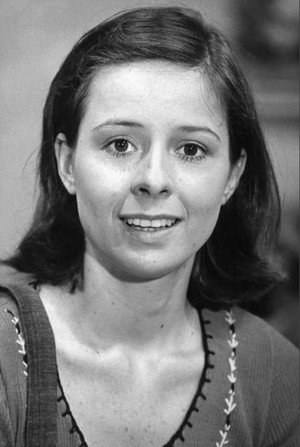
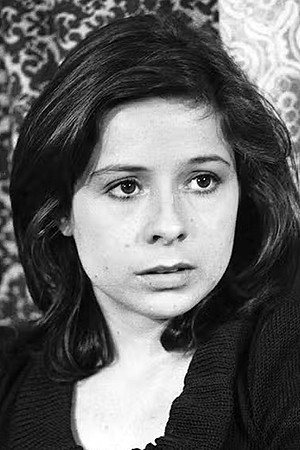
Débora Duarte Movies, TV Shows, and Filmography
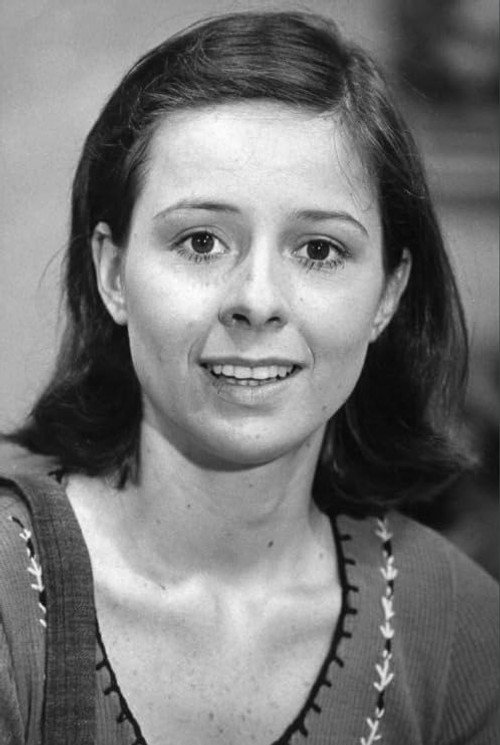
Débora Duarte
Acting
Biography
Débora Susan Sanches Duke, known as Débora Duarte (born January 2, 1950) is a Brazilian actress. Daughter of actress Marisa Sanches and a musician, her mother married Lima Duarte when her daughter was only one year old. Lima adopted her as a foster father and she adopted her father's stage name. She made her debut when she was five years old, around 1955, when she was cast by Vida Alves to act in a series on Tupi. Her talent for the performing arts was evident since childhood. In the following decade, she acted in several soap operas and teletheaters, including appearances on Tupi, Excelsior and Bandeirantes. Her first major role came in 1968, as Lu in Beto Rockfeller. This role earned her a Troféu Imprensa and a Troféu Roquette Pinto for best actress. She made her debut on Globo in 1972, starring in the soap operas Bicho do Mato and A Patota. In 1975, she stood out when she played Vilminha in Pecado Capital. In 1977, she made a brief comeback on Tupi, playing Carola in O Profeta. In the following years, she appeared in productions such as Coração Alado (1980), Jogo da Vida (1981), Anarquistas, Graças a Deus, Sonho Meu (1993), Pátria Minha (1994), Explode Coração (1995) and Terra Nostra (1999). From the 2000s onwards, she acted in Porto dos Milagres (2001), Como uma Onda (2004), Paraíso Tropical (2007), Cordel Encantado (2011), Side by Side (2012) and Ambitious Woman (2015). She also played the villain Teresa in SBT's Canavial de Paixões in 2003. She was also part of the cast of the Netflix series Lady Voyeur. She won the APCA Trophy for Best Actress in 1984 for her work in Corpo a Corpo, Anarquistas, Graças a Deus and Padre Cícero. She has two actress daughters: Daniela Duarte, born in 1975, from her marriage to Gracindo Jr.; and Paloma Duarte, born in 1977, from her relationship with singer Antônio Marcos.
Filmography Movies
Acting

Romeu e Julieta
Two teenagers fall in love, but their feuding families and fate itself cause the relationship to end in tragedy.

The Girl Next Door
Middle-aged married journalist goes to the beach resort of Búzios, in Brazil, to write a book. Gradually, he falls in love with his neighbor's daughter, a beautiful teenager much younger than he, ignoring the social implications.

Céleste
Georges Cazenave, a " politically committed" French TV reporter leads a good life. Besides having a regular mistress in the person of Hélène, he is a ladies man with "a girl in every port". But this comfortable situation is challenged the day he hires Céleste as his housemaid. A Portuguese immigrant, she soon appears to be a Marxist-Leninist activist, engaged in political groups working against the regime of Salazar, the dictator of Portugal. Geoges and Céleste fall in love with each other, which brings adventure in the reporter's hitherto superficial life, upset by a breakup with Hélène, the interference of the French Secret Service and a touch of terrorism.

Domingo em Família
An elderly couple, Dona Lu and Seu Souza, live in the district of Paty do Alferes, in a simple little house where they raised their children. When the tenant dies, the landlord's heirs evicted the couple, and it is up to the four children to decide their future.

Pontal da Solidão
A young woman, victim of violence, takes refuge with an old sailor.


Um Oitenta e Seis Avos
(Talita Feuser), suffocated in her monotonous routine - sleeps, wakes up, works and, sometimes, helps her mother Amelia (Debora Duarte), shaken by the recent death of her bitch, with daily chores. A strange diagnosis causes Women to confront their own passivity: their organs are disappearing. The medical interest in the subject frightens the patient, who escapes any kind of treatment. The revelation, however, coincides with the arrival of a mysterious new neighbor (Luiza Lamoglia) to the building of Woman. The two give up the tide, cultivating a mutual curiosity and an eventual intimacy; recognition. Woman is torn between her mother and the new inhabitant.
Gallery