Acting
No biography available.
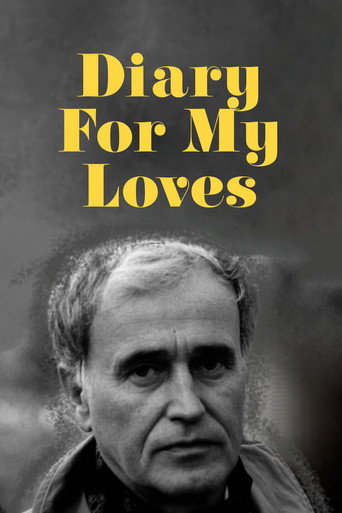
After having lost her parents, young Juli returns from the Soviet Union to her native Budapest. Scarred by the wounds of the past, the ghost of Stalin’s oppression haunts her as she reunites with her aunt and adoptive mother Magda.
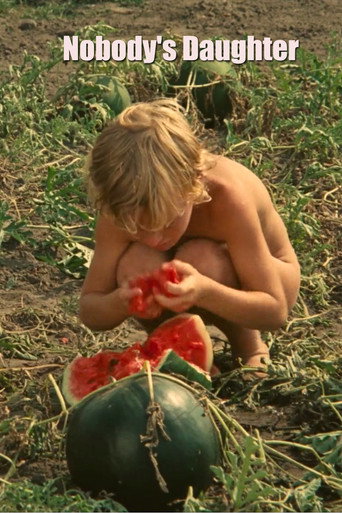
An orphan girl suffers abuse from her adoptive parents.
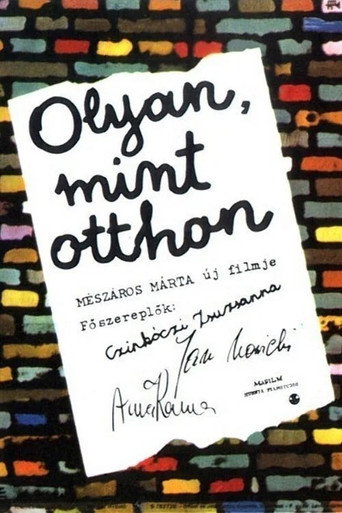
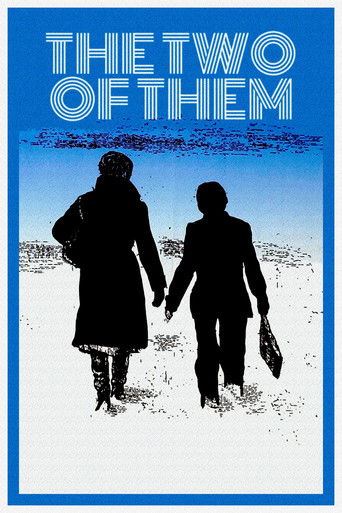
On his return from America, András simply cannot find his place: he has lost his wife, friends and job, and he cannot even find his way back to his former great love. Eventually, as a surrogate father, he takes in a wild young girl (Zsuzsa Czinkóczi) and a particularly strong bond is formed between these two rootless people. Márta Mészáros’s remarkable movie starring Jan Nowicki and Anna Karina is about displacement, loneliness and attachment.
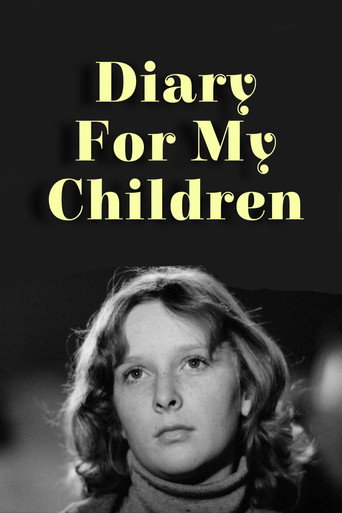
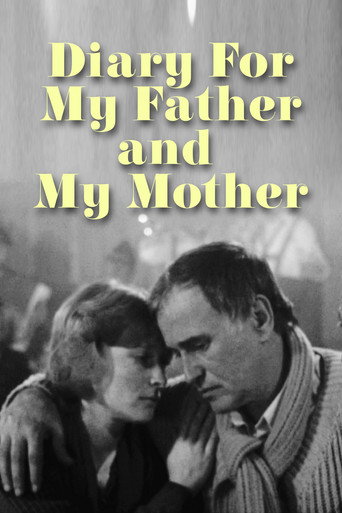
A continuation of "Diary for My Children," the film picks up in 1950, when Juli, the diarist, is 18 and determined to become a movie director.
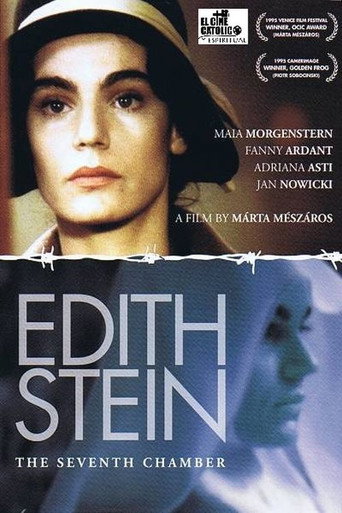
An expressionist biography of Edith Stein, who converted from the Jewish faith to the Catholic one and became a Carmelite sister. She would die in a German concentration camp.
Looking for a safe place to live after being harassed by her husband, a depressive and violent man, Juli stays at a women's shelter run by Mária.
This story follows a young student, who is orphaned as she grows to adulthood in the shadow of the 1956 Hungarian uprising. Coming from the Communist intelligentsia, she sees her friends and family react differently. Her lover, a married factory manager, supports the patriots and later assists fellow workers in staging a strike. Meanwhile her sister and others express anger at being forced from their homes during the revolution and continue to express a hatred for the rebels afterwards. But in the end they realize that for all people, real life is not possible after the revolt and its brutal suppression by the Soviets and their collaborators.
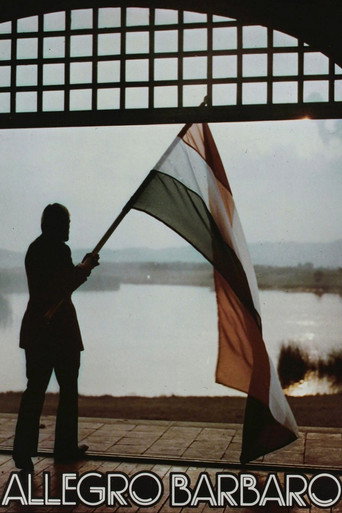
Zsadányi flees from the authorities with his goddaughter, Bankós Mari, and they escape into the forest. The film then skips ahead thirty-fold years: Zsadány and Mari are now lovers, with the sound of war in the background halting their romance. The old friends of Zsadányi have joined with the Nazis, and the landowner living with his peasants in a socialist community grows distant from them. Zsadányi is held responsible for political problems in the country, and will pay with his life.
The film, set in 1956, stars Gyula Káli, a young man from the countryside who moves to Budapest and sees only one opportunity for success: to become a ping-pong champion. His work and his private life are determined by a strict training schedule, which he refuses to interrupt even for the days of October. It is only as a champion in 1957 that he wonders: will his achievements make up for the sacrifices he has made to achieve his goal?
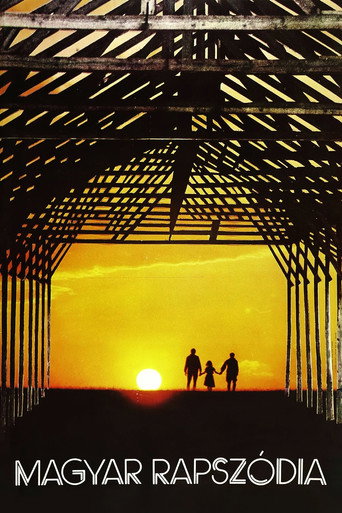
The movie portrays a peasant revolt in Hungary in the early twentieth century.