Acting
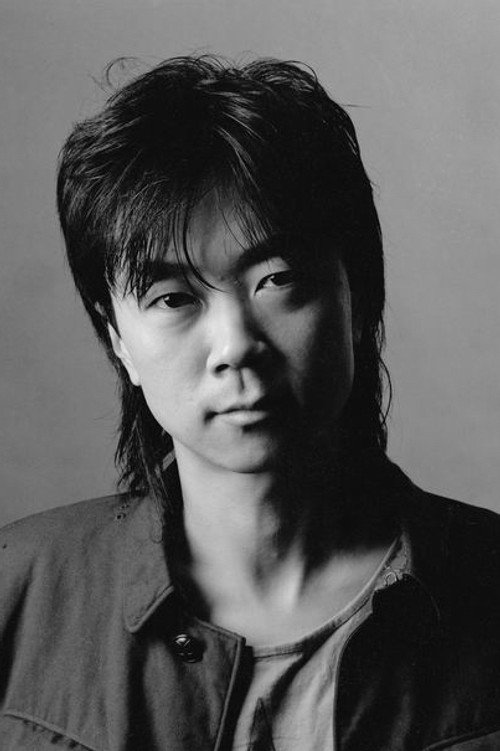
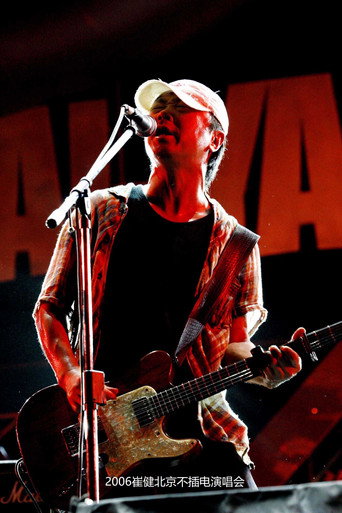
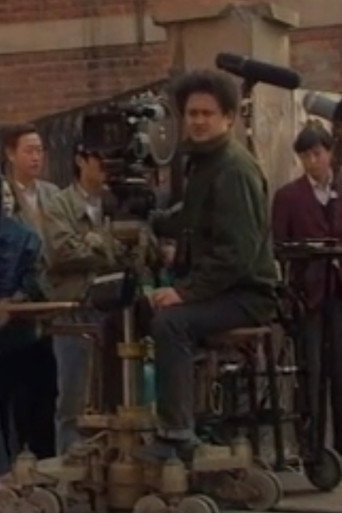
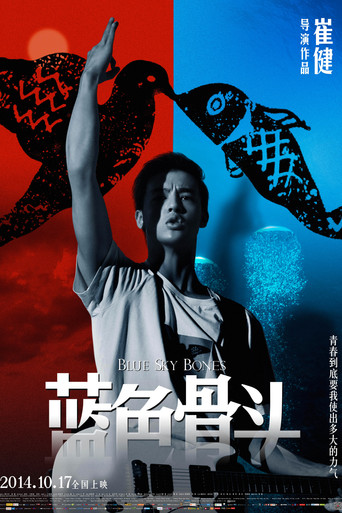
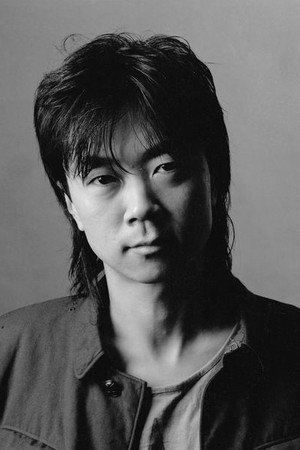
Cui Jian, a famous rock artist and a leader of Chinese rock music, is known as the father of Chinese rock music. The famous song is "Nothing to My Name" in 1986.
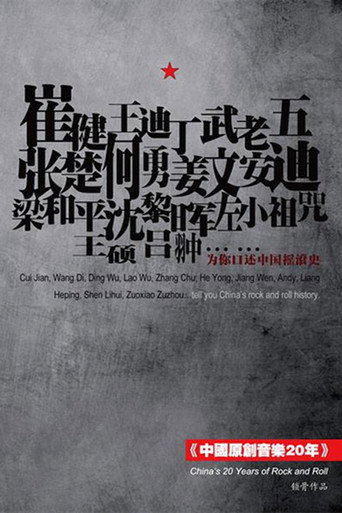
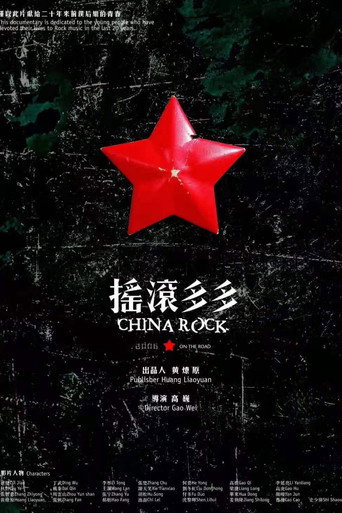
This documentary is made up of three threads that provide a major retrospective of a decade of Chinese rock.
A rock musician looks for his girl-friend who left while pregnant, trying to decide whether to keep the baby.
A voyage through modern day Beijing in the taxi of the womanising Dezi. His aimless drifting between destinations and women is much like Beijing's own search for identity between perishing ancient values and an uncertain future.
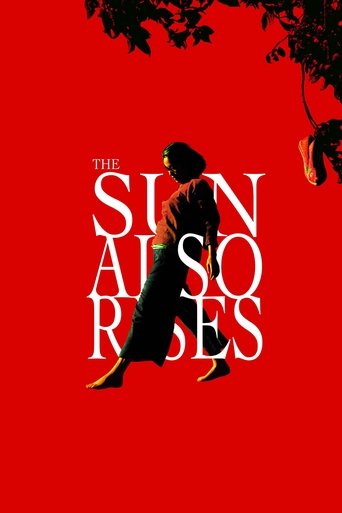
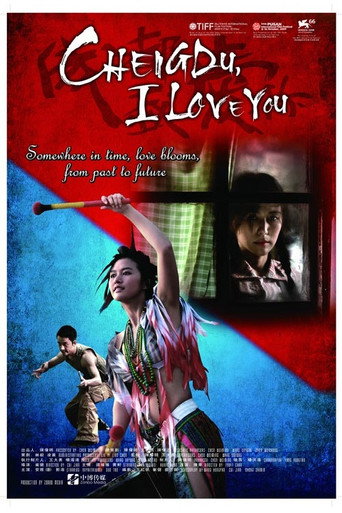
A polyptych of interconnected stories in different time-zones, shifting between a Yunnan village, a campus, and the Gobi Desert.
Crowned as the “godfather of China rock” and yet banned from large-scale performances in Beijing over the past thirteen years, Cui Jian has made his come back in 2005 and remained an icon of the artist versus the State in the hearts of millions. Although the rocker has been reluctant to be identified with any specific political movement, whenever a new democratic voice has emerged (in media forms from underground film to the Internet), it has always found a way to embrace him, thus reconfirming Cui’s “outlaw” status. This documentary reviews his life and career paths from his early days and documents his crew and fans to three very different cities in Wuhan, Inner Mongolia and Beijing. Broadcast on HK Cable TV in summer 2006, the purpose of the video is to review Cui Jian’s career at the point of his new album release after a 6 year gap. The album is titled “Give You Color”.
The one directorial feature by Ning Dai, sister of 5th generation filmmaker Ning Ying and wife of 6th generation filmmaker Zhang Yuan. It follows a chaotic period in November of 1993, when production suddenly halted on Zhang Yuan's TV film adaptation of a popular novel, Chicken Feathers, after the Chinese Film Bureau announced that Zhang could no longer direct the film due to submitting his previous independent feature, 1992's Beijing Bastards, to a film festival in Japan without receiving the proper authorization to do so. Ning's documentary features anguished meetings between the Chicken Feather's production crew as they debate replacing Zhang with another director, along with testimonials on the state of censorship in Chinese independent cinema of the early '90s from Wu Wenguang, Tang Danian, He Jianjun, Cui Jian, and others.
An unhappy love story under the Cultural Revolution in China seen from the son who was born from that romance - who is now a Chinese rock star
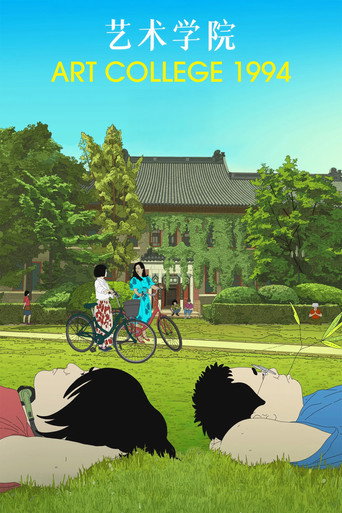
In the 1990s, a group of students on the campus of the Chinese Southern Academy of Arts are pursuing their studies and preparing to face the world. China is opening up to the West and the students’ lives are a tangle of love stories and friendships, artistic research, ideals and ambitions brought about by new influences. Caught between tradition and modernity, they have to decide who they want to become.
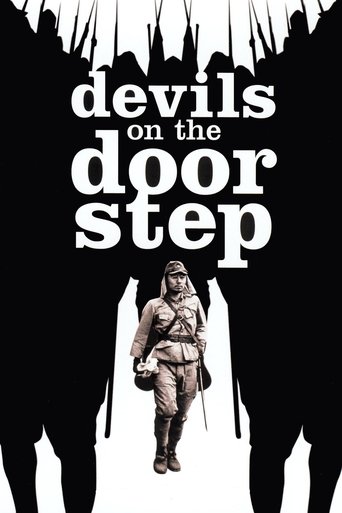
During the Japanese occupation of China, two prisoners are dumped in a peasant's home in a small town. The owner is bullied into keeping the prisoners until the next New Year, at which time they will be collected. The village leaders convene to interrogate the prisoners. The townspeople then struggle to accommodate the prisoners. One is a bellicose Japanese nationalist, the other a nervous translator. Will the townspeople manage to keep the prisoners until the New Year?
A satirical comedy set during the 1976 earthquake of Tangshan, which then zips forward to 2009 offering a Matrix-like science fiction story of contemporary China.