Directing
No biography available.
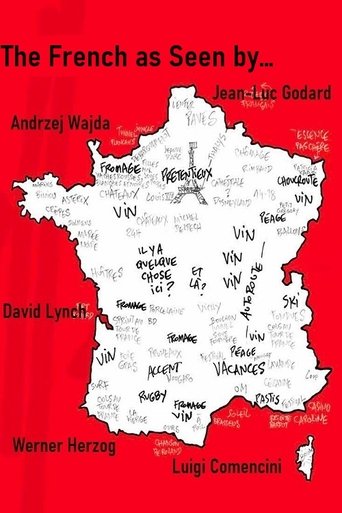
In 1988, Figaro magazine asked a few famous directors to direct a series of short movies to celebrate the 10 years of the revue. The movies have been released for the French revolution bicentenary. Includes: Werner Herzog's Les Gaulois, David Lynch's The Cowboy and the Frenchman, Andrzej Wajda's Proust contre la déchéance, Luigi Comencini's Pèlerinage à Agen, Jean-Luc Godard's Le dernier mot.
Through the childhood and adolescence of Signor Giacomo Casanova (from his memoirs), this is a description of how people lived in 18th-century Venice: their customs, habits, medicine, religion, and--most of all--the omnipresence of hypocrisy.
Christina and Francesca Comencini go on a pilgrimage to Agen, France to find the places where there Dad Luigi Comencini spent his childhood.
The story of Italian cinema under Fascism, a sophisticated film industry built around the founding of the Cinecittà studios and the successful birth of a domestic star system, populated by very peculiar artists among whom stood out several beautiful, magnetic, special actresses; a dark story of war, drugs, sex, censorship and tragedy.
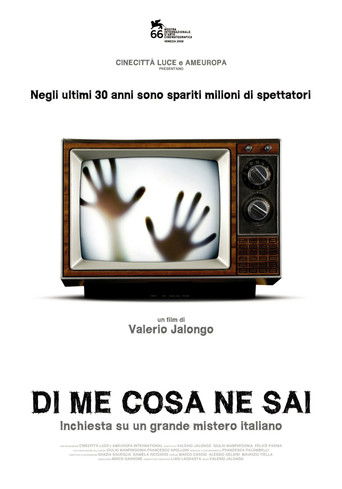
Until the 1970s, Italian cinema dominated the international scene, even competing with Hollywood. Then, in just a few years, came its rapid decline, the flight of our greatest producers, a crisis among the best writer-directors, the collapse of production. But what are the true causes and circumstances of this decline? In an attempt to provide an answer to this question, Di Me Cosa Ne Sai strives to depict this great cultural change. Begun as a loving examination of Italian cinema, the film transformed into a docu-drama that alternates between interviews with the great names of the past and fragments of cultural and political life of the last 30 years. It is a travel diary that shows Italy from north to south, through movie theatres; television-addicted kids; Berlusconi and Fellini; shopping centers; TV news editors; stories of impassioned film exhibitors and directors who fight for their films; and interviews with itinerant projectionists and great European directors.
The lively goings-on of a modern family seen trough the eyes of a young girl just about to receive her first Communion.
Sabina has a regular life. She is satisfied with her job and her love for Franco. Lately nightmares start disturbing her, and almost in the same time she discovers to be pregnant. Step by step she remembers her childhood spent within a severe middle-class family. But a big secret is hidden within her heart. Sabina wants to contact again her brother, a University teacher in the US, to try to understand what is happened in their past. What is the secret? She is determined to bring clarity and serenity in her life. She finally manages to free herself from her "beast in the heart".
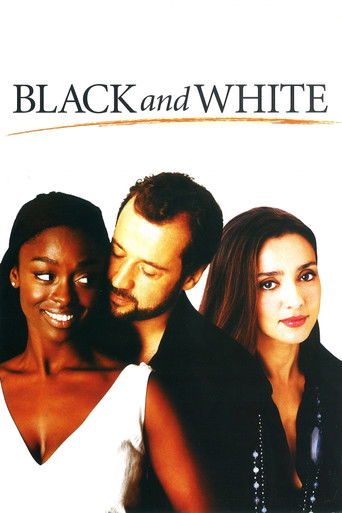
Racial integration is Elena's profession and passion, not only filling her working day as a cultural mediator assisting immigrants, but spilling over into her home life as well. All too often her husband Carlo must attend charity events where he feels distinctly out of place. During one of these evenings, Carlo meets Nadine, a beautiful black woman.
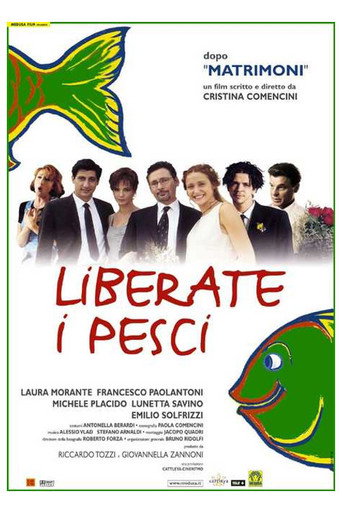
Mafioso Michele Verrio has both a wife and a long-suffering mistress, Lunetta.
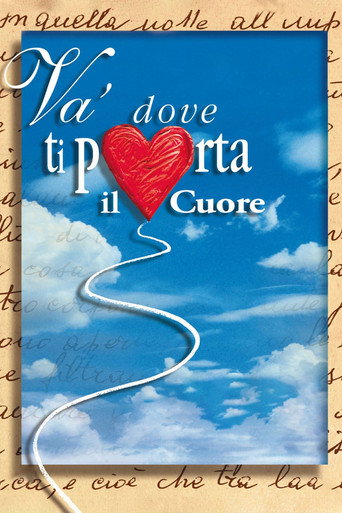
The complicated travails of several generations of Italian women provide the basis for this drama that is based on a novel by Susanna Tamaro. It begins with the peaceful death of Olga, the elderly family matriarch. Marta, her granddaughter returns from the US to attend the funeral and once in Olga's villa in Trieste, begins reading her grandmother's diary. Olga's story unfolds via flashback. As a young woman, Oldga had to marry Antonio a man she didn't love. Later she became passionately involved with a handsome doctor at the local spa. He impregnates her and shortly thereafter dies in a terrible car wreck. The result of their love is Illaria, who grows up to be terribly neurotic. She bears Marta and then she too dies in an automobile accident, leaving Marta to be raised by Olga.
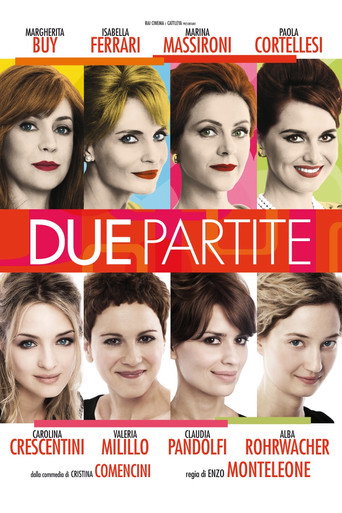
Every Thursday a group of ladies would gather to play cards and discuss their loves, lives and children while their daughters played in the next room. Thirty years later, the daughters meet at a funeral for one of the mothers. Like their mothers, they discuss their hopes, dreams and fears.
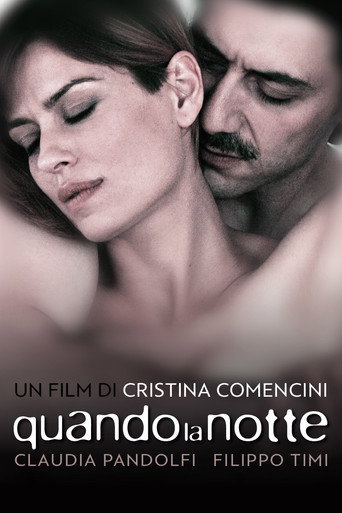
After meeting during their vacation, two young people with solitary lives suddenly come into a relationship that could benefit both of them.
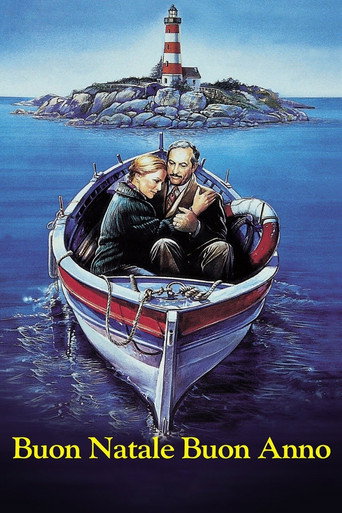
In this romantic story, a couple (Michel Serrault and Virna Lisi) who have been married for over forty years are forced to separate, one to each of their two children's families, when they can no longer pay the rent on their longtime apartment. Absence, in this case, refreshes their memory of the love they have shared, and they take to meeting one another furtively in hotel rooms for sex and affection. One summer, as each of their daughters families takes them on separate vacations, they have had enough, and elope, finding contentment as lighthouse keepers off the coast of Sicily.