Directing
No biography available.
Jean-Claude Bernardet, Brazil’s most important living film critic, is old and sick, but tries to reinvent himself through his long disintegration. Shifting between fiction and documentary, A Destruição de Bernardet uses unusual tools to trigger his memory and to make him tell his story.
Reconstructing the details of the death of his brother, Rafael Burlan da Silva, twelve years ago, the filmmaker Cristiano Burlan launches a personal journey that leads to the heart of a cycle of violence in the outskirts of São Paulo — like the neighborhood Capão Redondo, where his family lived and where his 22 year-old brother was killed with 7 shots in 2001. Exploring his brother’s reasons for involvement with drugs and car theft, the director exposes parts of his own family history, listening to relatives and friends, whose testimonies bring to light the fates of several characters, mapping the history of painful emotional wounds.
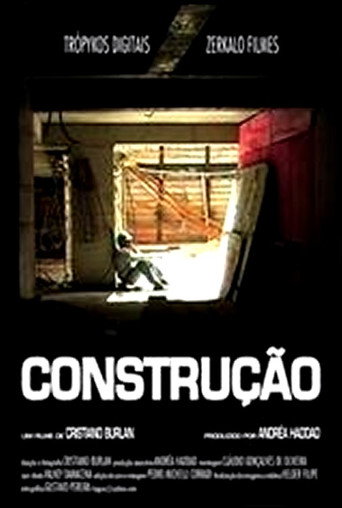
The city of São Paulo in its continuous process of construction and deconstruction, seen from the microcosm of a construction site, its workers and as several machines in full activity.
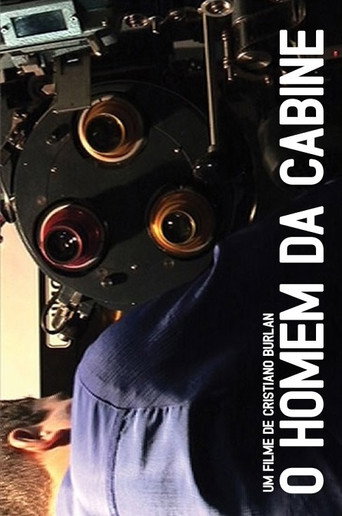
Between the light and the dark of the projection rooms, there is a professional little known by the cinema audience: the projectionist. Based on the microcosm of a projection room, the documentary records the routine of these workers, who have a long and lonely workday.
Henrique is a filmmaker who has made films that hardly anyone saw. A marginal for lack of choice.
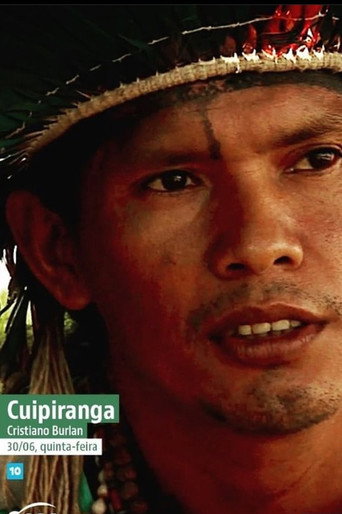
In 1835, the revolt known as Cabanagem began in the province of Grão-Pará (Brazil), in which blacks, indigenous people, and mestizos rose up against the political elite and took power. The documentary Cuipiranga is a quest to record the testimonies of the descendants, in the lower Tapajós region, of this revolt that is considered the first popular insurrection that went from simple agitation to an effective seizure of power.